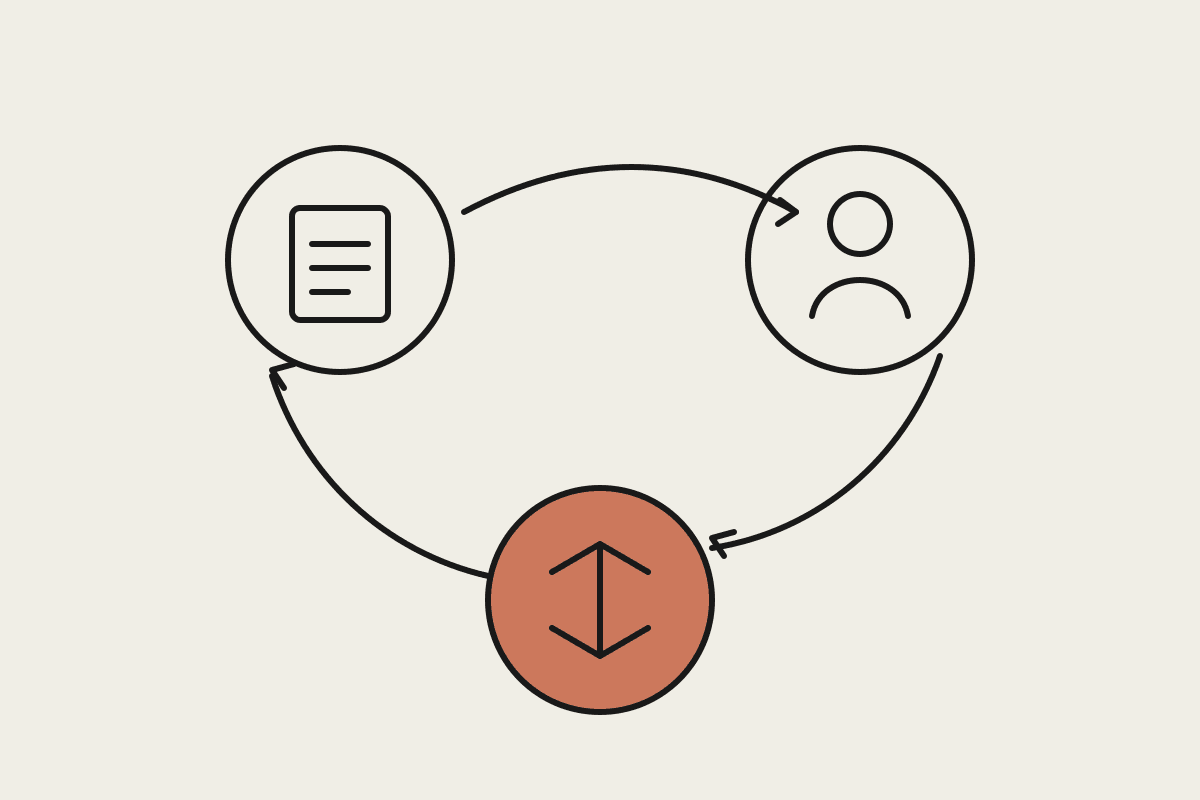
A mechanical workshop's week is a chain of small handoffs: a booking comes in, a quote goes out, the job gets done, and a follow-up either happens or does not. Any one gap in that chain, a booking that does not get confirmed, a quote that takes two days to send, a follow-up that never happens, costs a workshop a job or a repeat customer, and most workshops are running this chain manually across a service bay that rarely has spare capacity.
Where the chain actually breaks
Workshop owners running two to four bays report the same failure points: bookings taking too long to confirm, quotes going out slower than a customer expects, and follow-up simply not happening once a car leaves the workshop.
Confirming a booking request and preparing the job card before the vehicle arrives, not after
Drafting a quote from a diagnostic note, itemised against parts and labour, ready for customer approval
Sending the service reminder timed to a vehicle's actual service interval and last visit date
Following up a declined quote item, brakes or tyres flagged but not actioned, before the next service is overdue
A note on how workshops currently run this
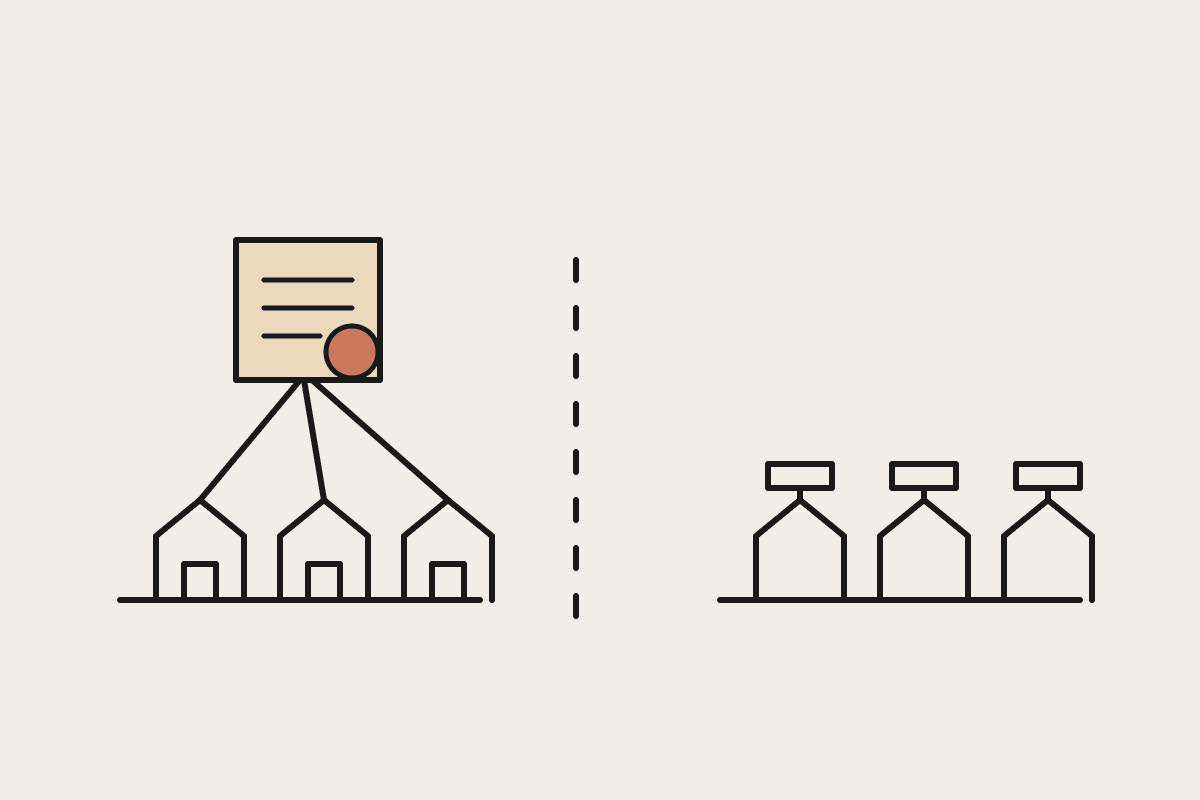
Most independent workshops run bookings through a phone call and a whiteboard or a basic scheduling app, with quotes typed up separately once a mechanic has looked at the car. That separation between diagnosis and quote drafting is where time leaks, a mechanic's handwritten notes sit on a clipboard until someone has a spare ten minutes to turn them into a customer-facing document, and busy days are exactly when that spare ten minutes does not exist.
How this runs through a workshop's week
Claude drafts the booking confirmation and prepares the job card from the customer's stated issue, ready for a mechanic to review before the vehicle even arrives, rather than a service advisor building the job card from scratch at drop-off. Once a mechanic has diagnosed the work needed, it turns the diagnostic notes into an itemised, customer-ready quote against the workshop's actual parts and labour rates, sent within minutes rather than at the end of a busy day.
For follow-up, it tracks quote items a customer declined, a worn brake pad noted but not actioned, and drafts a timely follow-up before the next service interval rather than that item being forgotten until it becomes a bigger, more expensive job.
Why the quote-speed gap costs more than it looks
A customer waiting on a quote does not sit still. Most people getting a car serviced are comparing at least one other workshop, and a quote that arrives same-day against one that arrives the next morning is often the actual deciding factor, not price. Workshops that get a quote out within the hour report a noticeably higher acceptance rate than workshops that let quotes sit until end of day, simply because the customer has not yet called around.
The same principle applies to follow-up on declined work. A customer who says no to a brake job today is not saying no forever, they are usually saying not right now. The workshops that recover that revenue are the ones that follow up before the part wears further, not the ones that wait for the customer to notice a problem and call back.
A worked example: a three-bay workshop
A three-bay workshop processing twenty-five to thirty-five vehicles a week typically has a service advisor spending ten to fifteen hours a week on quote drafting and follow-up calls, time that competes directly with answering the phone and managing the front counter during business hours. Structuring quotes from diagnostic notes and automating the follow-up timing cuts that to under five hours, with the advisor spending the difference on customers actually in front of them.
What it costs and what it's worth
A workshop this size typically leaves $20,000 to $35,000 a year in declined-but-forgotten work on the table, brake jobs, tyre replacements and other flagged items that never get followed up before the customer goes elsewhere. Setup runs $3,000 to $5,000, connecting to the workshop's existing booking and job management system, live within two weeks.
Where the mechanic stays the mechanic
Diagnosis, the actual mechanical work and any judgement call about what a vehicle genuinely needs stay entirely with the qualified mechanic. Claude drafts the paperwork around that judgement; it does not diagnose a fault, and every quote reflects exactly what the mechanic wrote in the diagnostic note, nothing added or inferred.
If your workshop wants to see this against a real week, book a session at /contact and bring last month's booking log so we can show you where the gaps actually are.