A beauty and wellness clinic running facials, laser, dermal treatments or wellness programs operates on a different rhythm to a hair salon, even though the two get lumped together in most marketing advice. A salon rebooking cycle is driven by hair growth, roughly four to eight weeks, and the follow-up conversation is largely a retail and scheduling one. A clinic running a course of laser or dermal treatments has a clinically defined recall window, often specific to the treatment type and the individual's response, and the follow-up conversation carries more of a care and safety dimension than a retail one.
Why recall timing is the harder problem here
Missing a recall window on a laser or peel treatment program is not just a lost booking, it can affect the treatment outcome the client paid for, and a clinic that lets clients drift past their optimal recall window is delivering a worse result even when nothing goes clinically wrong. Tracking that accurately across a client base of several hundred, each on a different treatment protocol and timeline, is more than a receptionist can reliably hold in their head alongside the daily booking desk.
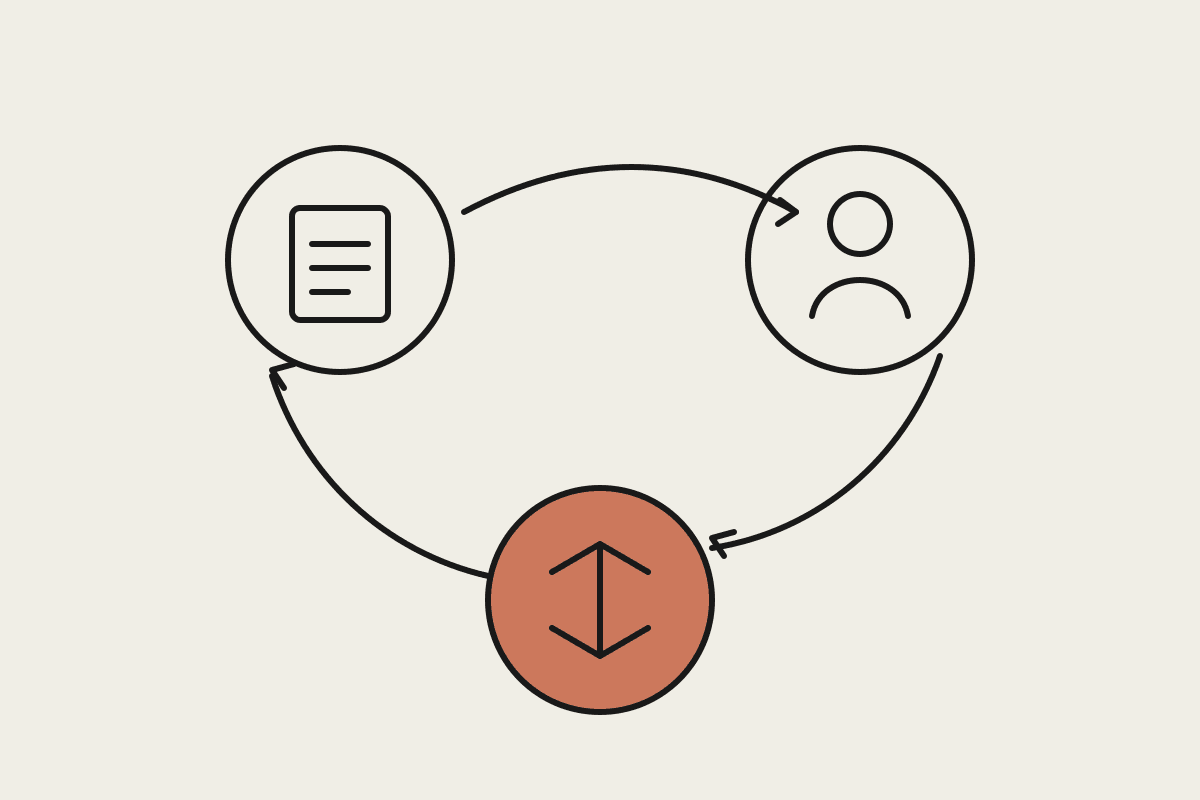
Claude can hold each client's treatment protocol and recall schedule, prompt the clinic to reach out at the clinically appropriate window rather than a generic six-week mark, and draft the outreach message in a tone appropriate to a wellness relationship rather than a retail one. It can also draft the post-treatment check-in that many clinics intend to send but rarely get to consistently, which both improves client outcomes and surfaces any adverse reaction early enough to matter.
Where this fits without touching clinical judgement
Treatment-specific recall scheduling and outreach drafted against the clinic's own clinical protocols
Post-treatment check-in messages that create an early flag for any client reporting an unexpected reaction
Infection-control and consent documentation drafted consistently for treatments requiring it
Client history summaries prepared ahead of each appointment so practitioners are not starting cold
A Brisbane clinic running a mix of laser and injectable services across roughly 1,200 active clients was seeing close to 30 percent of clients drift past their optimal recall window before the clinic followed up, largely because manual tracking simply could not keep pace with the client base size. After building a Claude-assisted recall workflow tied to each client's specific protocol, that figure dropped to under 10 percent within four months, with a measurable lift in both treatment outcomes and repeat program bookings, worth an estimated $85,000 in retained program revenue over the following year that would otherwise have lapsed to a competitor or simply not continued.
What stays with the practitioner
Retail and product recommendations, where a clinic does sell home-care products, still have a place in this workflow, but they need to sit clearly separate from the clinical recall communication rather than blended into the same message. Combining a genuine clinical check-in with a product upsell risks undermining the trust that makes clients follow the clinical advice in the first place. Claude can hold that separation deliberately, sending the clinical recall as its own message and a distinct, clearly optional product suggestion at a different point in the client relationship, which most clinics get wrong when they try to run both through the same generic marketing automation tool built for retail rather than a clinical setting.
The Australian regulatory backdrop here includes both state health department requirements for treatments involving skin penetration and, for clinics offering cosmetic injectables, the additional advertising and consent requirements that apply under AHPRA guidelines where a medical practitioner or nurse is involved. None of that changes because a clinic uses Claude to draft its communications, but it does mean the documentation workflow needs to be built with those specific requirements in mind from the outset, not retrofitted after a compliance review flags a gap.
Setup for a clinic this size typically runs $6,000 to $11,000, and the payback tends to arrive faster in wellness clinics than in most retail-style beauty businesses, simply because a lapsed treatment program client represents a much larger lost revenue figure per person than a single missed hair appointment.
Every clinical decision, whether a treatment is appropriate, how to respond to a reported reaction, what the next step in a program should be, stays with the treating practitioner. Claude drafts the administrative and recall communication around that decision, not the decision itself. For clinics offering any treatment with a skin-penetration or cosmetic injectable component, that boundary also matters for the infection-control and consent documentation obligations that apply under state health regulations, which is exactly the kind of paperwork this workflow is built to keep consistent rather than reconstructed under pressure after the fact.