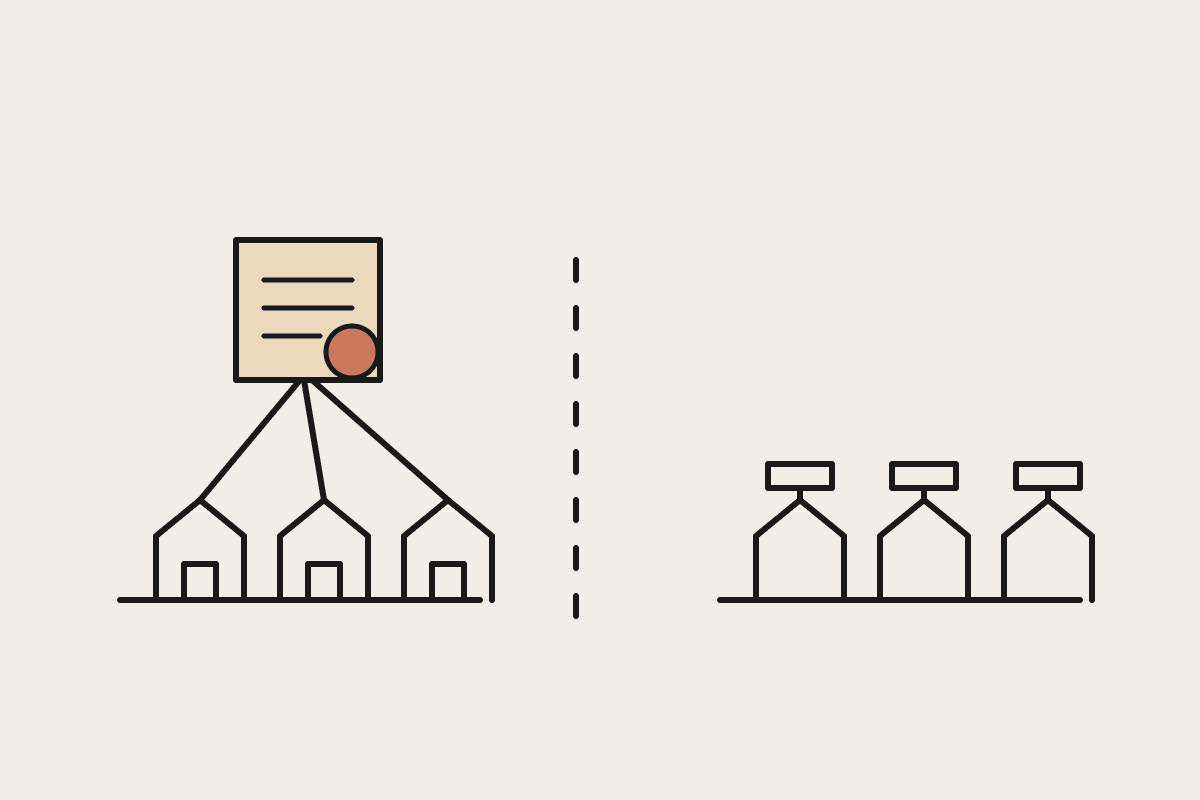
A residential builder juggles one job at a time, more or less. A civil contractor running road, water or earthworks packages for a state agency or a principal contractor is juggling four, six, sometimes ten concurrent government or head-contract projects, each with its own progress claim cycle, its own certifying superintendent and its own design queries. That is a different scale of administrative problem to a single-job RFI or progress claim.
Where the multi-project load actually bites
Civil contractors running several concurrent packages report the bottleneck is not any single progress claim or RFI, it is keeping six of them moving correctly at once, each against a different principal's certification process and a different set of contract conditions.
Preparing SOPA-compliant progress claims against each principal's specific certification and payment schedule requirements
Drafting design and specification RFIs to the relevant authority, tracked against response deadlines across multiple live jobs
Reconciling variation claims against the head contract's rates schedule before a dispute becomes necessary
Keeping a portfolio-level view of claim status, RFI response deadlines and retention across every active job
What changes at portfolio scale
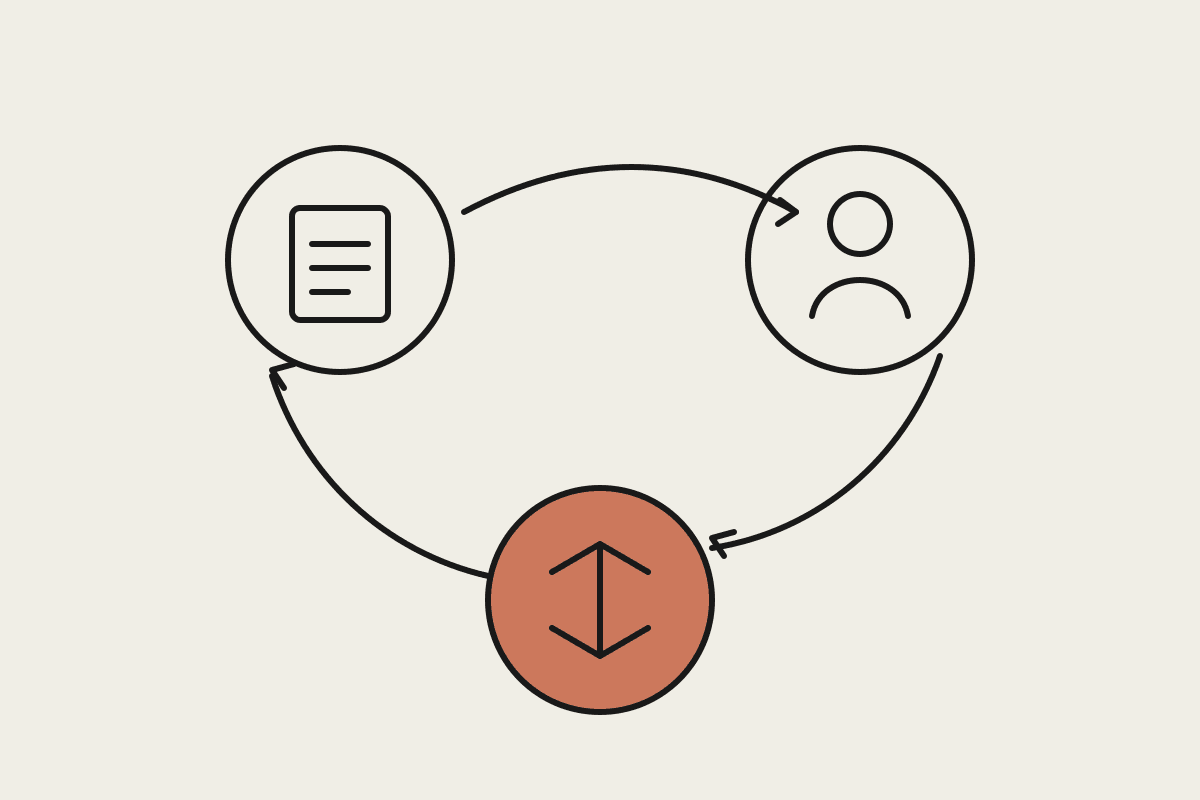
Claude drafts each progress claim against the specific principal's certification format and the Security of Payment Act requirements that apply to that contract, and tracks where every claim sits in its response cycle across a contractor's full portfolio, not just the job in front of a project manager that week. For RFIs, it drafts design and specification queries against the relevant authority's standard format, whether that is a state road authority, a water utility or a local council, and flags which RFIs are approaching a contractual response deadline before that deadline is missed.
This is deliberately different from managing a single builder's variations and RFIs on one job. A civil contractor's exposure comes from running several claim and RFI cycles in parallel, each against a different principal's process, and the administrative risk compounds with every additional concurrent project rather than staying flat.
Why a single generic template fails at this scale
A contractor using one progress claim template across every job inevitably runs into trouble the moment a principal's certification process differs from the template's assumptions, a different retention regime, a different supporting evidence requirement, a different notice period. At single-job scale that mismatch gets caught and fixed manually. At six-job scale, the same mismatch on even one job can trigger a payment dispute, and the contracts administrator often does not notice until a payment is short.
Structuring each claim against its specific principal's actual requirements, rather than a single house template stretched across every contract, is what closes that gap. The same discipline applies to RFIs: a road authority, a water utility and a local council each expect a different level of technical detail and a different response format, and getting that wrong slows the response down before the real engineering question even gets addressed.
A worked example: six concurrent packages
A civil contractor running six concurrent government infrastructure packages, worth a combined $18 million to $30 million, typically has a contracts administrator managing twenty to thirty active RFIs and six overlapping progress claim cycles at any time. Administrators report portfolio-level tracking, not any single document, is what actually consumes the week, because a missed RFI deadline or a late progress claim on one job can cascade into cash flow pressure across the whole portfolio.
What it costs and what it's worth
Contractors running this across a full financial year report the clearest win is not any single saved dispute, it is the reduced stress of knowing where every claim and RFI genuinely sits, rather than reconstructing that picture from memory and a shared spreadsheet every Monday morning.
A mid-size civil contractor typically carries $180,000 to $220,000 a year in contracts administration capacity across a multi-project portfolio. Late or incorrectly formatted progress claims are a genuine source of cash flow strain, and even avoiding one payment dispute a year through cleaner SOPA-compliant documentation can be worth more than the setup cost. Setup for a contractor running four to eight concurrent packages runs $7,000 to $12,000, built around the specific principals and certification formats the contractor deals with most.
Where the contracts administrator stays in charge
Contract interpretation, dispute strategy and every claim submitted still go through the contracts administrator's review before lodgement. Claude drafts against the correct format and tracks deadlines across the portfolio; it does not make a contractual judgement call. Every draft carries the source data it was built from, so a reviewer can check figures against the underlying measurement or valuation quickly rather than re-deriving them.
If your business wants to see this against a real portfolio, book a session at /contact and bring your current RFI and claim tracker so we can scope it against your actual project mix, principals and contract conditions rather than a generic civil-works estimate.