Commercial real estate agency work is a different business from residential sales, and most of what makes it slow has nothing to do with finding a buyer or tenant. It is the paperwork that surrounds a sales or leasing campaign: comparable sales analysis, expressions of interest documents, vendor reporting and the weekly update that every landlord client expects on time.
The campaign-side workload, not the leasing-side
A lot of AI coverage for commercial property focuses on landlord-side leasing administration, information memorandums and tenant communications for an asset already under management. This is a different problem: the sales and leasing agency's own campaign machinery, from listing to close.
Building comparable sales and lease analysis from recent transaction data before an appraisal meeting
Drafting Expression of Interest and tender campaign documents against a standard agency template
Turning inspection and enquiry logs into a weekly vendor or landlord update without an agent typing it from scratch
Keeping the CRM database current so a re-listing or a new instruction does not start from a cold search
How agencies are using Claude on this
Claude pulls comparable transaction data an agent has already gathered and turns it into a structured appraisal pack, ready for the agent to check figures and add local market judgement before a client meeting. On live campaigns, it drafts the recurring vendor report from inspection and enquiry data logged that week, so an agent spends the time closing deals instead of formatting a PDF on a Friday afternoon.
This is deliberately separate from information memorandum drafting and tenant liaison for an asset under lease management, which is its own workflow with its own document set. Agencies doing both often run two lighter-weight setups rather than one generic one, because the templates and the compliance language genuinely differ.
A worked example: EOI campaign reporting
A twelve-agent agency running six to eight live commercial campaigns at any time typically has an associate spending four to six hours a week per campaign on enquiry logs, inspection summaries and vendor updates. Across a full campaign roster that is close to thirty hours a week of reporting work sitting behind the actual selling. Structuring that from the CRM and inspection app data an agent already captures turns a half-day task into a twenty-minute review and send.
What the database work looks like
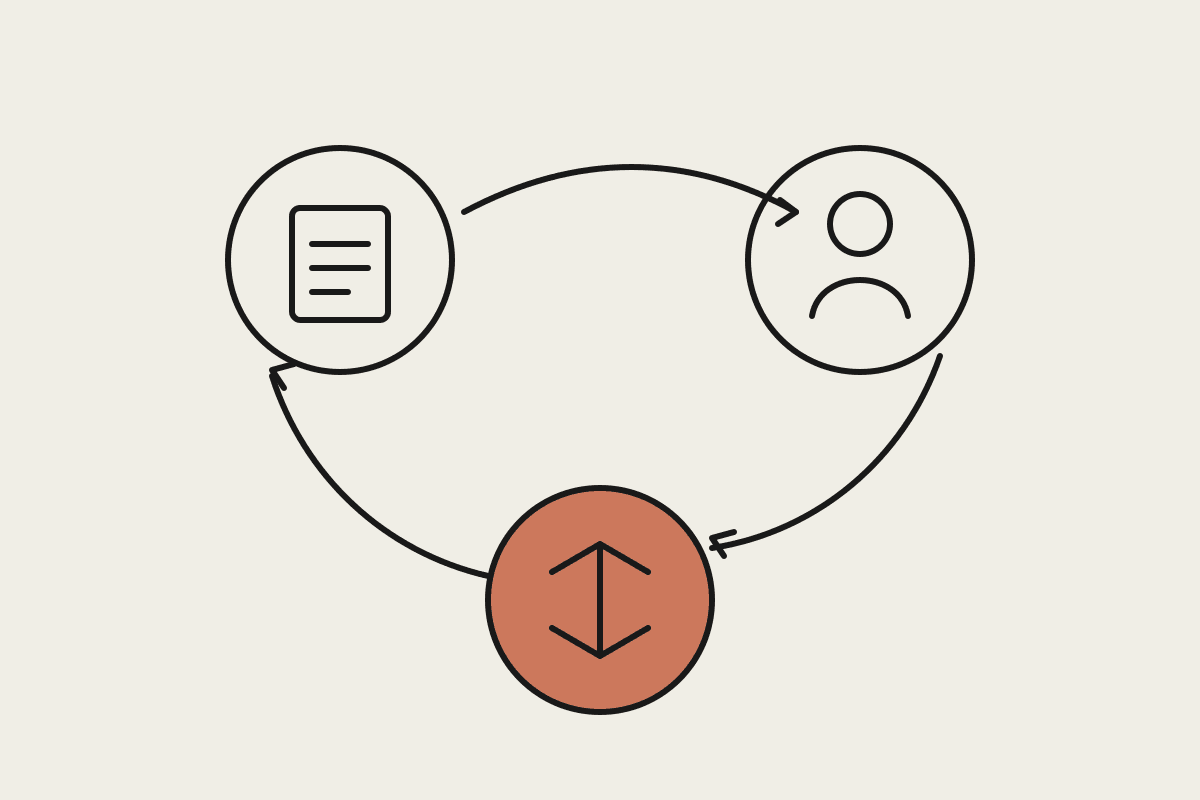
A live database is the other quiet cost centre. Agents who let contact and property records lapse between campaigns end up re-researching ownership and occupancy details they already had six months earlier. Claude can reconcile CRM exports against recent title and lease-expiry data an agency already subscribes to, flagging records that need a call before a new instruction pitch goes out, rather than after. For a mid-size agency, that alone can surface ten to fifteen re-listing opportunities a quarter that would otherwise sit unnoticed in a stale database.
The same reconciliation catches duplicate or conflicting contact records left behind when an agent moves on, which matters more than it sounds. Melbourne and Sydney agencies with high agent turnover tell us database rot, not campaign volume, is what quietly caps their pipeline each year.
What it costs in practice
A Brisbane or Sydney commercial agency running eight to twelve agents typically spends the equivalent of one junior salary, around $65,000 to $75,000 a year, on campaign administration and reporting that could largely be assisted rather than fully staffed. Setup for an agency this size runs $5,000 to $9,000, most of it building the appraisal and vendor-report templates against the agency's actual house style.
Onboarding a new listing
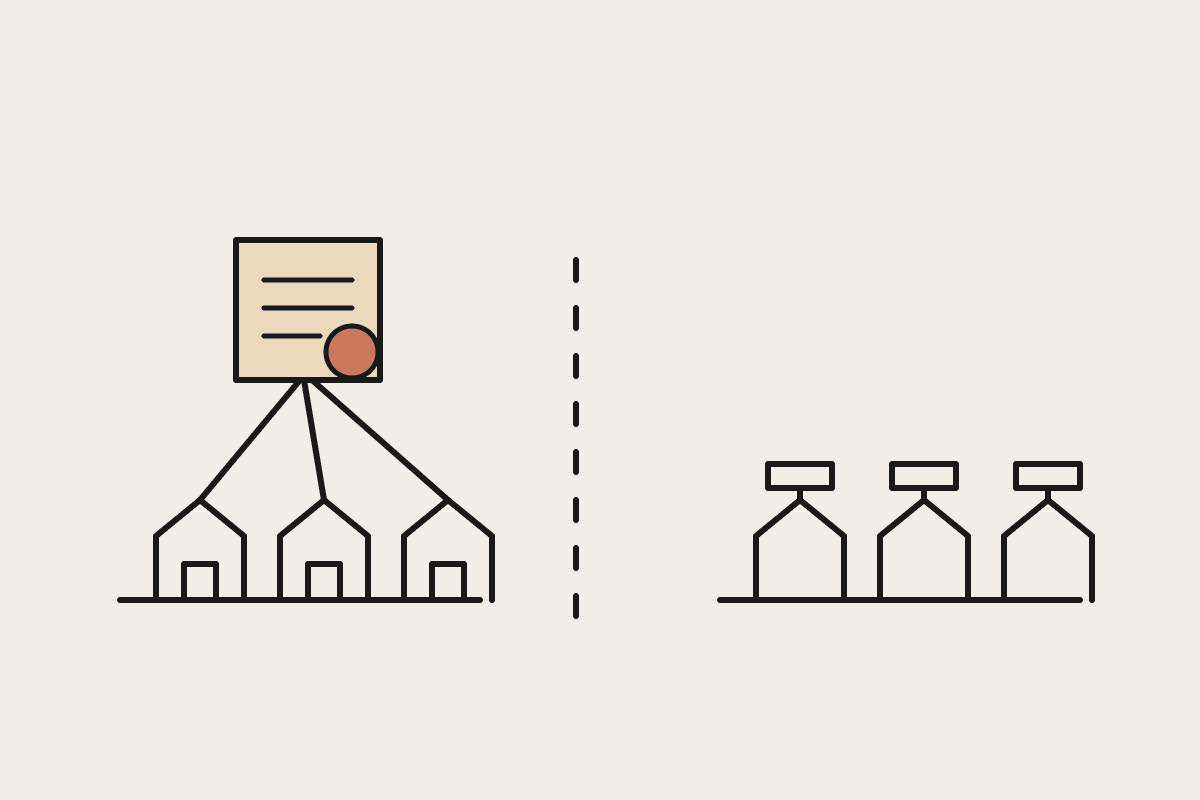
New instructions are where agencies lose the most time to duplication. An agent typically re-keys property details, title information and prior sales history across the CRM, the marketing brief and the appraisal document separately. Structuring this once, from the same source data, and letting each downstream document draw from it removes a step most agencies have simply accepted as normal for years.
Where this stays agent-led
Pricing recommendations, negotiation strategy and anything that goes to a vendor as advice stays with the agent. Claude assembles the data and the document; the agent makes the call and puts their name on it. Setup typically runs two to three weeks from kickoff to a working template set, most of it spent getting the appraisal and vendor-report formats to match what an agency's clients already expect, rather than starting them from a blank page.
If your agency wants to see this against a real campaign, book a session through /contact and bring a recent vendor report. We would rather scope against your real numbers than quote a generic package that ignores how your agency actually structures a campaign.