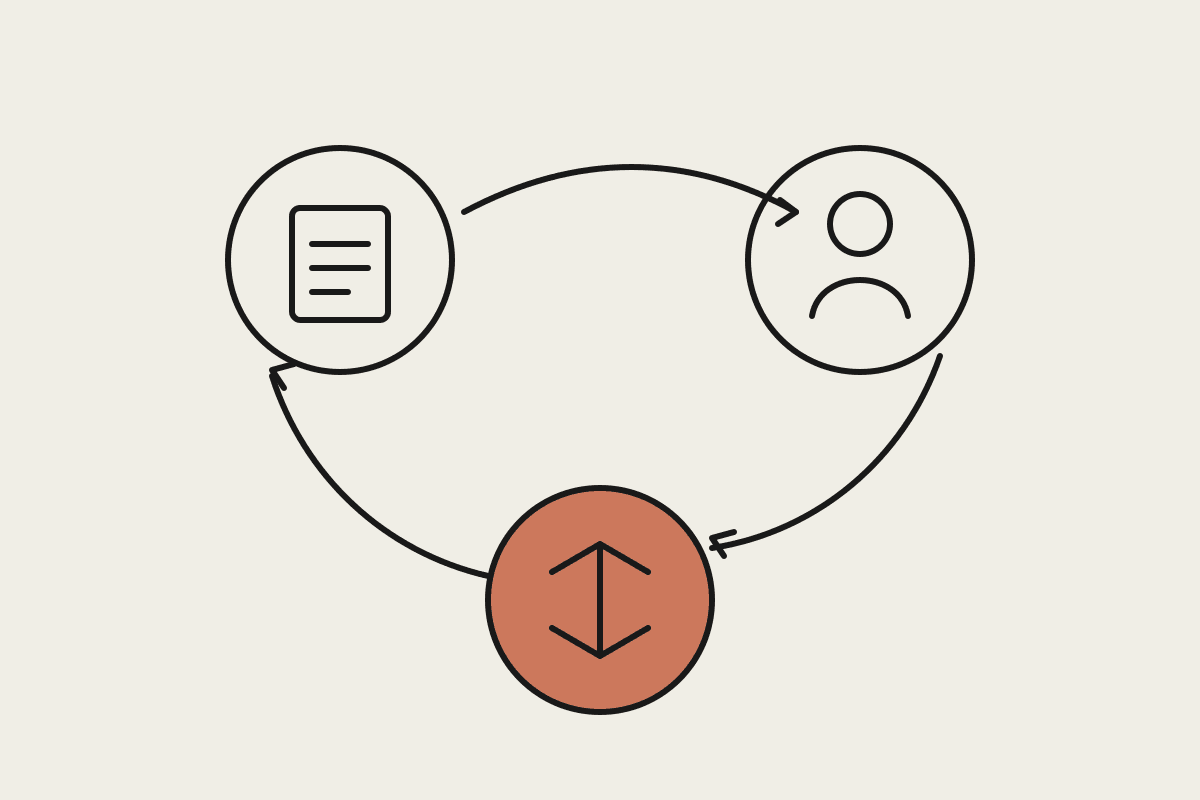
A dental practice's front desk runs on three repeating jobs: getting patients back in for their recall, filling the gaps a cancellation leaves, and managing the Google reviews that increasingly decide whether a new patient calls at all. None of these are complicated individually. Done manually across a book of 3,000 to 5,000 active patients, they eat an entire front-desk role.
The three jobs that never stop
Practice managers running a two to four chair practice tell us the same thing: recall reminders, gap-filling and review management are the jobs that get skipped first when the front desk is short-staffed, and they are also the jobs with the most direct line to revenue.
Sending recall reminders timed to each patient's actual interval, six or twelve months, not a blanket blast
Filling a same-day cancellation from a waitlist before the chair sits empty
Drafting a personalised response to a new Google review, positive or negative, within the same day
Following up patients who booked but did not confirm, before the appointment slot is wasted
How this runs day to day
Claude drafts the recall reminder text and email for the day's list, timed against each patient's actual recall interval and treatment history rather than a single blanket schedule, ready for the front desk to review and send through the practice's existing patient communication system. When a cancellation comes in, it can draft the waitlist outreach message immediately rather than the front desk manually working down a list between patients at the counter.
For reviews, Claude drafts a response in the practice's own tone within minutes of a new review appearing, whether that is a thank-you for a five-star review or a considered, non-defensive response to a critical one. The practice manager or principal dentist still reviews and sends every response; nothing posts automatically to a public review platform.
Why timing the reminder matters more than the reminder itself
A generic recall reminder sent on a fixed monthly blast catches some patients at exactly the wrong moment, three months before they are actually due, and misses others who are already six weeks overdue. Practices that switch to reminders timed against each patient's actual last-visit date and treatment type consistently report a higher rebooking rate than a blanket campaign, simply because the message arrives when the patient is actually thinking about their next appointment rather than at an arbitrary calendar date.
The same logic applies to no-show follow-up. A patient who misses an appointment without cancelling needs a different message to one who cancelled with notice, and sending the same templated follow-up to both groups is part of why so many practices see a flat response rate on these campaigns despite spending real front-desk hours on them.
A worked example: a four-chair practice
A four-chair practice with 4,500 active patients on a six-month recall cycle sends roughly 750 recall reminders a month. Front desk staff running this manually report it takes ten to fifteen hours a month just to draft and personalise reminders around no-show history and treatment type, on top of the same-day cancellation scramble. Structuring the reminder list against the patient database each morning turns that into a fifteen-minute daily review.
What it costs and what it's worth
Practices that have run this for a full quarter say the review-response consistency matters almost as much as the recall numbers. A practice that used to let critical reviews sit unanswered for a week, or answer them defensively, now has a considered response drafted the same day, which patients researching a new dentist notice.
A practice this size typically loses $1,500 to $3,000 a month in unfilled chair time from late cancellations and no-shows that a faster waitlist response would have recovered. Setup for a practice with an existing practice management system like Dentrix or Exact runs $3,000 to $5,000, connecting recall data and waitlist logic to the system the practice already uses, live within two weeks.
Where the front desk stays the front desk
Clinical scheduling judgement, any communication involving a patient's treatment or health information beyond a routine reminder, and every review response before it posts stay with practice staff. Claude drafts; a person sends. Nothing in this workflow touches clinical notes or treatment planning, and any message referencing a patient's specific treatment stays with the practice's existing patient communication protocols and Privacy Act obligations.
If your practice wants to see this against your actual recall list, book a session at /contact and bring last month's cancellation log so we can show you the real number for your practice, not an industry average that may not reflect how your patient base actually books.