An equipment hire business runs two parallel admin loads: getting a booking confirmed and the right gear to the right site on time, and handling the damage claim when equipment comes back worse than it left. Both are document-heavy, both are where disputes with customers actually start, and both are handled manually at most independent hire businesses.
Where the friction actually happens
Hire businesses running a fleet of a few hundred items report bookings and damage claims are the two points where a customer relationship sours fastest, usually over a misunderstanding that better documentation would have prevented.
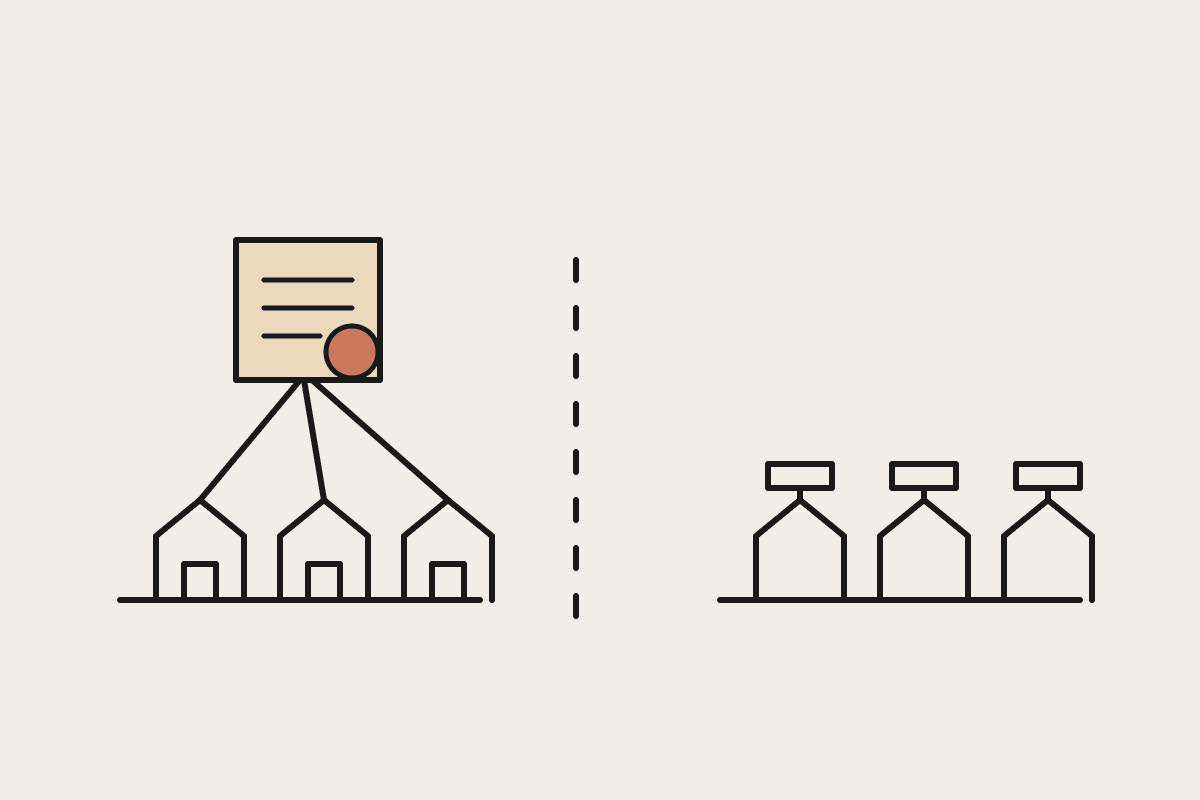
Confirming equipment availability against a booking request and drafting the hire agreement before pickup
Documenting equipment condition at pickup and return with a structured checklist, not a memory-dependent glance
Drafting a damage claim with photo evidence and cost estimate when equipment returns outside normal wear
Flagging a customer's hire history before approving an extended or repeat booking on higher-value equipment
A note on the fleet types this suits
This matters most for equipment where damage is genuinely hard to assess without a clear baseline, earthmoving attachments, access equipment, anything with wear points that are easy to miss on a quick visual check. Simple, low-value items rarely justify the same level of documentation rigour, so most hire businesses apply this selectively to their higher-value fleet rather than every single item that goes out the gate.
How Claude fits a hire business's daily flow
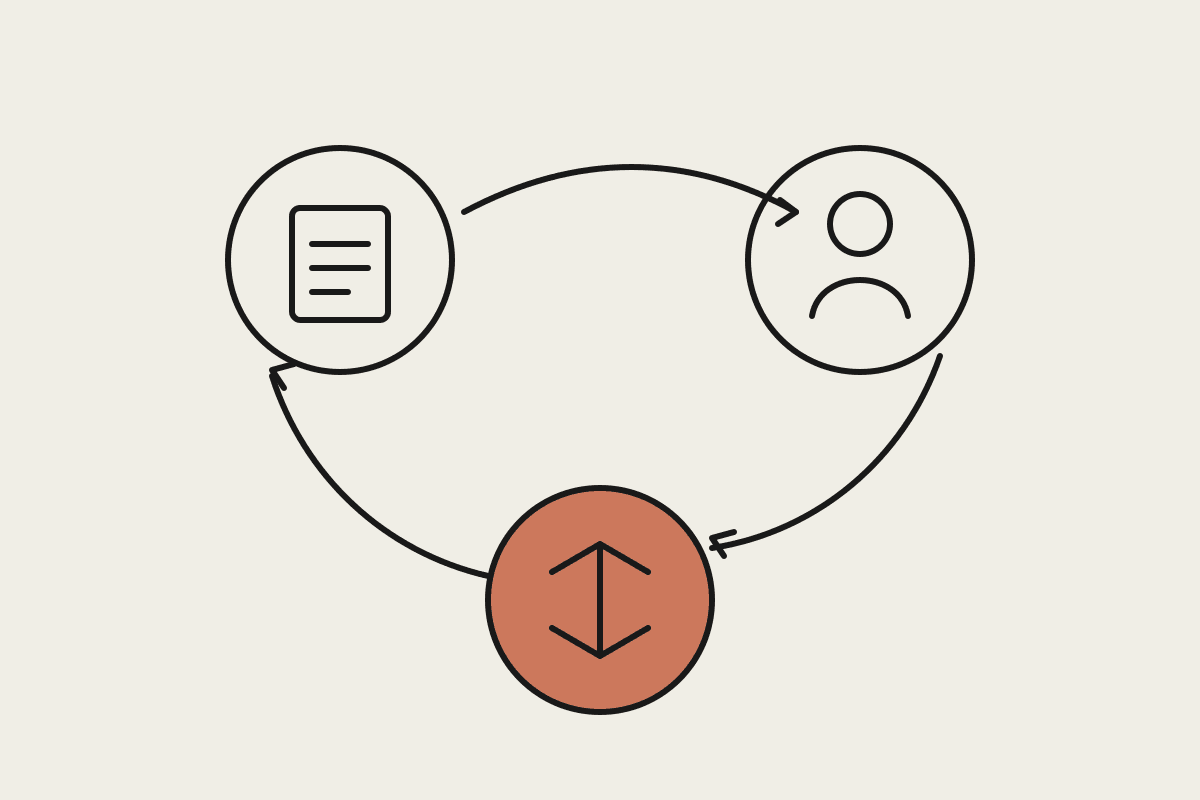
Claude drafts the hire agreement and confirms equipment availability against a booking request, checking the customer's hire history before a higher-value item goes out the door. At pickup and return, it structures the condition checklist into a consistent, dated record rather than relying on a yard staff member's memory of what a piece of equipment looked like a week earlier.
When equipment does come back damaged, it drafts the claim with the condition record, photos and an itemised repair cost estimate, ready for the business to send, rather than a manager reconstructing the sequence of events from a paper docket and a guess at the cost.
Why the condition record is the whole argument
A damage claim without a clean before-and-after condition record is, in practice, a customer's word against the hire business's. Even a genuinely damaged return can be hard to charge for if the pickup condition was never properly documented, because there is no baseline to compare against. This is the single biggest reason hire businesses lose damage disputes, not because the damage was not real, but because the paperwork could not prove it.
A consistent, dated, photo-backed condition record at both pickup and return removes that ambiguity entirely. Customers are also less likely to dispute a claim that comes with clear evidence attached, which means fewer of these conversations turn into a drawn-out argument that costs a hire business a customer relationship on top of the unrecovered cost.
A worked example: a mid-size hire fleet
A hire business running 300 to 500 items across earthmoving, access and general equipment typically processes eighty to a hundred bookings a week, with staff spending eight to twelve hours combined on hire agreement drafting and condition documentation. Damage disputes that end up unresolved or under-recovered cost this kind of business real money, usually because the condition record at pickup was too vague to support a claim at return.
What it costs and what it's worth
Peak hire seasons, the run-up to a long weekend or the start of a construction busy period, are when yard staff are most stretched and condition documentation is most likely to get rushed or skipped entirely. That is also exactly when equipment is most likely to come back under heavier use and genuine wear, which makes a fast, structured checklist most valuable precisely when there is least time to do it properly by hand.
A hire business this size typically under-recovers $15,000 to $30,000 a year in damage costs it cannot substantiate with clean documentation. Setup runs $4,000 to $7,000, built around the business's existing booking system and standard hire agreement, live within two to three weeks.
Where the yard team stays in charge
The actual condition assessment, the decision to charge a damage claim, and any dispute resolution with a customer stay with the hire business's own staff. Claude structures the documentation; a person makes the call, backed by a record that actually supports it.
If your business wants to see this against a real fleet, book a session at /contact and bring a recent damage dispute so we can show you what a structured record would have changed, and how quickly the setup pays for itself against your actual fleet value.