Funeral arrangement admin has to happen fast, under real time pressure, while a family is grieving. That combination makes it one of the least forgiving admin workloads in any Australian small business: death certificates, cemetery and crematorium bookings, notices, order of service documents and supplier coordination all need to be right the first time, usually within days.
Where the arrangement workload actually sits
Funeral directors running a family-owned practice tell us the arrangement conversation itself, sitting with a family and understanding what they want, is not what runs long. It is everything that has to happen correctly afterwards, often same-day.
Drafting the order of service and printed materials from arrangement notes, ready for family approval before print
Preparing death notice text for newspaper and online publication in the format each outlet requires
Assembling the paperwork bundle for Births, Deaths and Marriages registration and cemetery or crematorium booking
Coordinating supplier confirmations, florist, celebrant, catering, against the agreed arrangement timeline
How Claude fits, carefully
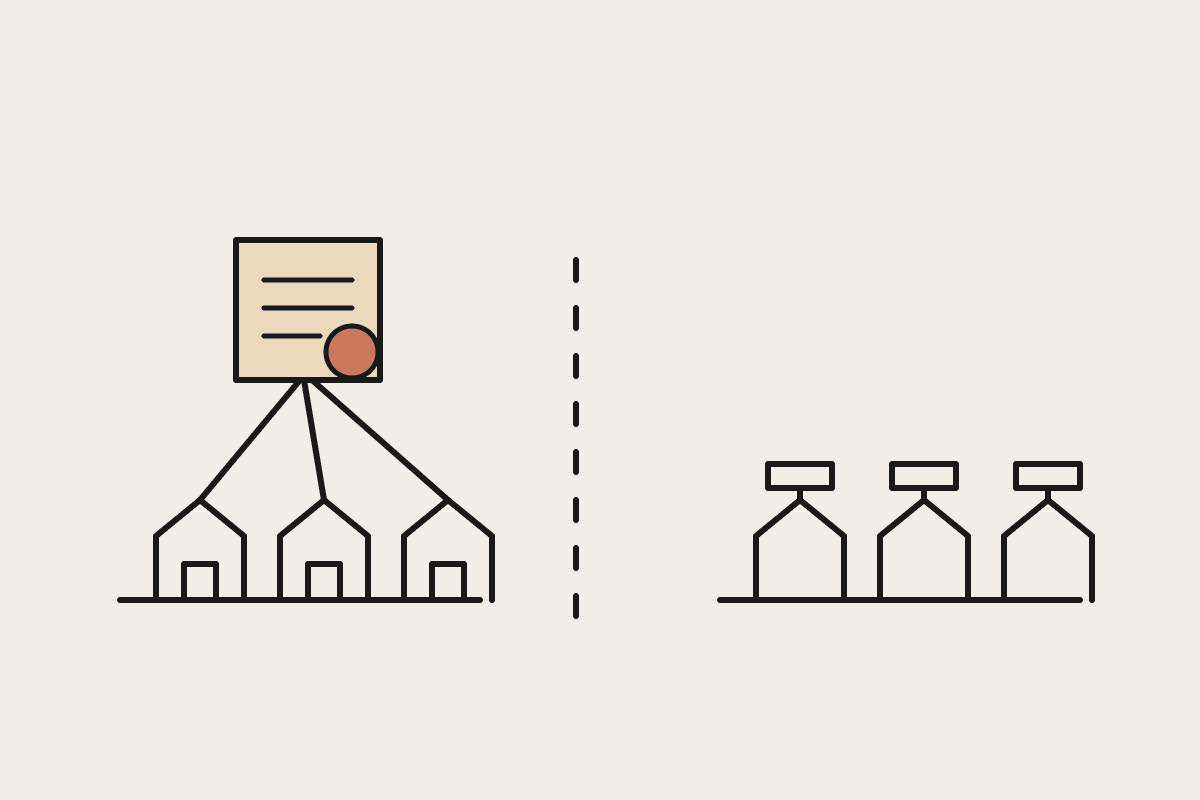
Claude drafts the order of service and death notice from the arrangement conference notes a funeral director has already taken, in the family's preferred format and tone, ready for the director to review with the family before anything is printed or published. It also assembles the registration and booking paperwork into the order a specific state's Births, Deaths and Marriages office and cemetery trust expect, catching a missing field before it causes a delay at a time when a delay is the last thing a family needs.
None of this touches the parts of the role that matter most: the conversation with a grieving family, the judgement about what they need, and the presence a funeral director brings on the day. This is squarely about the paperwork that surrounds that work, done faster and more accurately so a director has more time for the family, not less.
What genuinely cannot be templated
Every family's arrangement is different, and no two order of service documents should read the same way even when the structure is similar. The value of drafting from actual arrangement notes rather than a fixed template is that the family's own words, the anecdotes, the hymn choices, the specific way they want a life described, carry through into the document, rather than being flattened into something generic. A director reviewing a draft is checking for tone and accuracy, not starting from a blank page under time pressure.
This distinction matters practically too. A rushed, template-driven document is one of the more common sources of a family's dissatisfaction with a funeral home, precisely because grief makes people notice when something feels impersonal. Speed without care is not the goal here; speed that gives a director more time to get the personal details right is.
A worked example: a family-owned practice
A practice handling twelve to eighteen services a month typically has one arrangement coordinator spending four to six hours per service on order of service drafting, notice preparation and registration paperwork, on top of the arrangement conference itself. Across a full month that is fifty to seventy hours of document work sitting behind a workload that is already emotionally demanding. Structuring the recurring documents against arrangement notes already taken cuts drafting time by close to half, giving that time back to families and to the coordinator's own capacity to manage more services without burning out.
What it costs in practice
Peak periods, winter flu season, a heatwave, hit family-owned practices hardest, when service volume can double for two or three weeks straight and the arrangement coordinator is the first person to burn out. Having the document drafting handled faster is what actually protects a director's capacity to sit with every family properly during those weeks, rather than rushing the fourth arrangement of the day.
Setup for a family-owned practice runs $3,500 to $6,000, built around the practice's existing order of service templates, the specific state registration requirements it works with, and its regular supplier list. Most practices see this pay for itself within two to three months purely in coordinator time freed up during peak periods.
Where the human presence stays central
Every document Claude drafts is reviewed by the funeral director or arrangement coordinator before a family sees it, and nothing is sent, printed or published without that review. Registration paperwork submitted to a state Births, Deaths and Marriages office is checked against the source documents by the practice, exactly as it is today, before lodgement.
If your practice wants to see this against a recent arrangement, book a quiet, no-pressure conversation at /contact. We understand this is a sensitive workflow to change and are happy to move at whatever pace suits your practice.