A small to mid-size Australian hotel or accommodation business runs two operations at once: the guest-facing one, enquiries, bookings, check-in questions, and the housekeeping and maintenance operation that has to turn every room around correctly between guests. Both run on tight timing, and both generate a steady stream of routine communication that eats into a small front-office team's day.
Where the front office actually spends its time
Independent hotels and accommodation businesses running forty to eighty rooms report guest enquiry response time and housekeeping coordination as the two areas where a lean front-office team feels the most pressure, particularly during peak season when every extra minute per enquiry compounds across a full day of arrivals.
Answering routine guest enquiries, check-in times, parking, local recommendations, consistently and fast, before a booking is lost to a faster-responding competitor
Turning the day's checkouts and arrivals into a structured housekeeping run sheet, prioritised correctly
Drafting a response to a guest review, positive or negative, in the property's own voice, same day
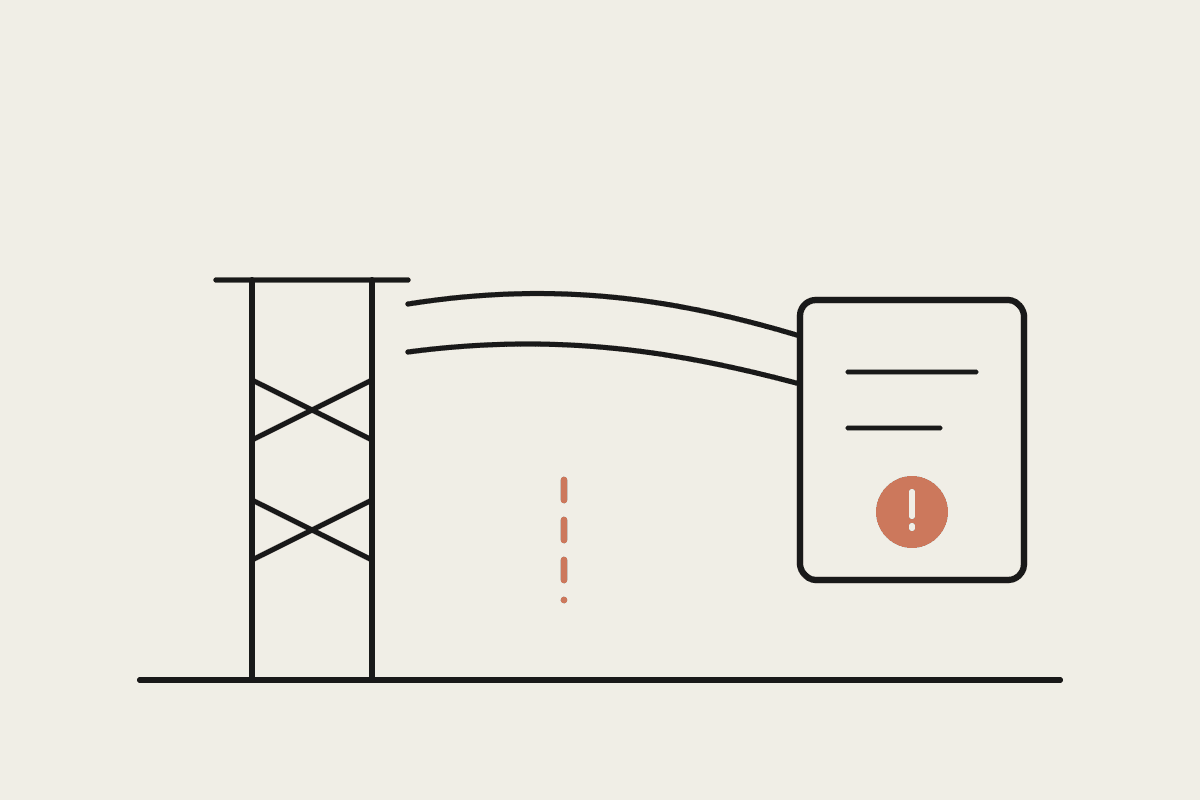
Flagging a maintenance issue reported by housekeeping so it reaches the right person before the next guest checks in
How this runs across a property
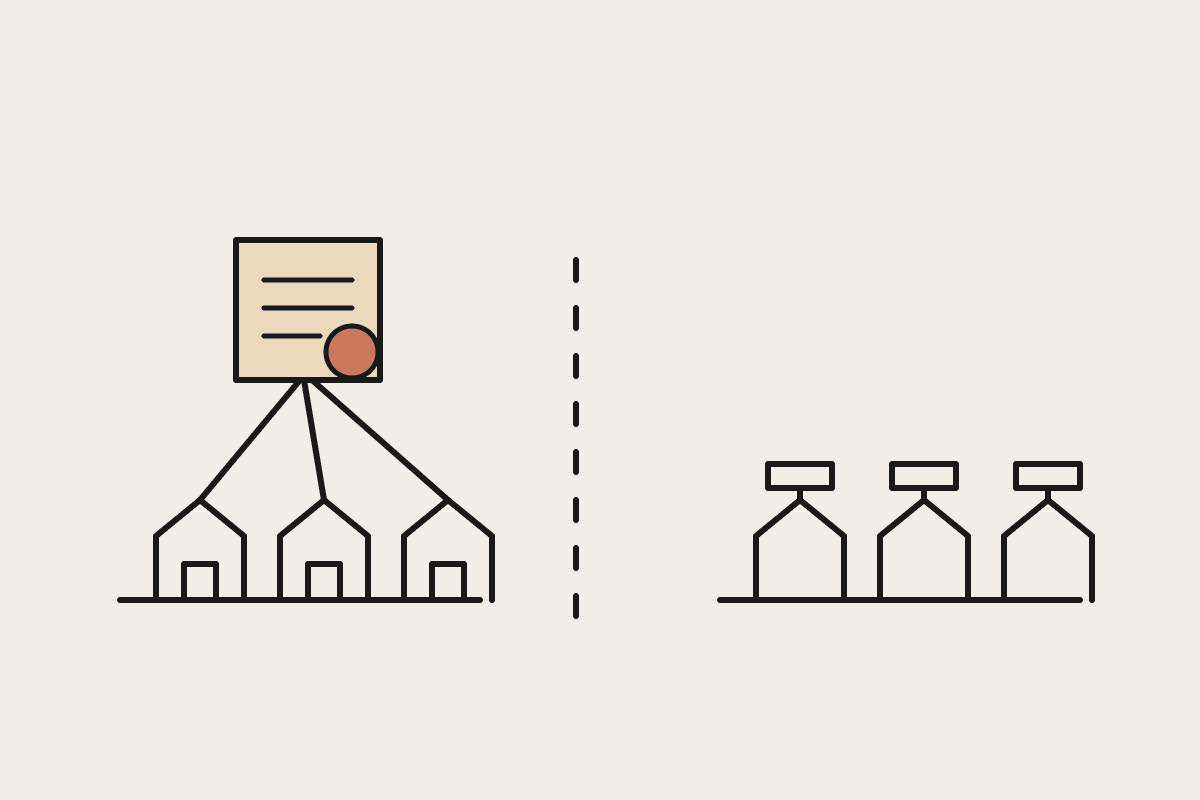
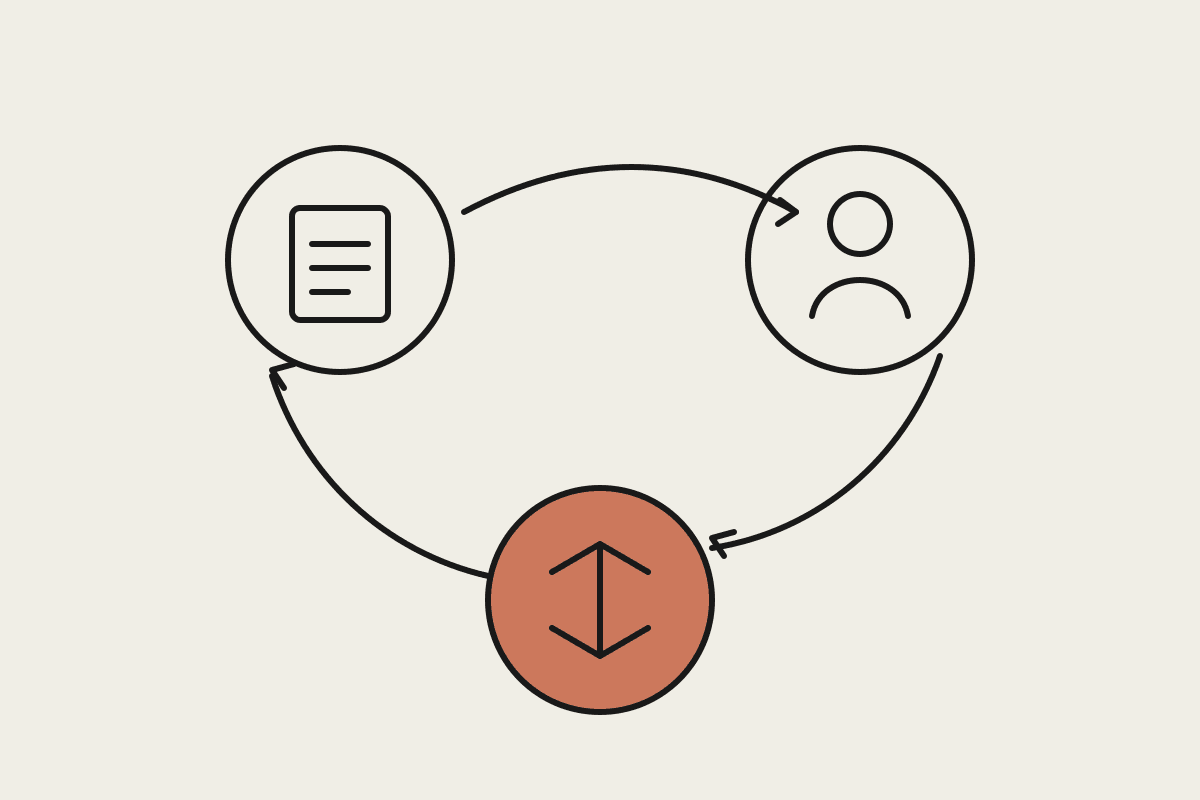
Claude drafts responses to routine guest enquiries, arrival times, parking, nearby attractions, in the property's own voice, ready for front-office staff to review and send, which matters most during the exact peak periods when guests expect a fast reply and staff have the least spare time to give one. For housekeeping, it turns the day's checkout and arrival list into a properly prioritised run sheet, flagging any special request or maintenance note attached to a room before housekeeping starts the day rather than discovering it mid-turnover.
For reviews, a considered response drafted the same day a review lands, in a tone consistent with how the property always responds, protects a reputation that increasingly gets built one review response at a time. The property manager still reviews and sends every response; nothing posts automatically.
Why response speed decides bookings, not just satisfaction
A prospective guest emailing three properties at once will very often book with whichever one replies first, particularly for a straightforward enquiry about availability or rates. Independent properties competing against larger chains with dedicated call centres are at a real disadvantage here, not because their offering is worse, but because a chain can answer in minutes and a small property with two front-office staff covering an eight-hour shift sometimes cannot.
Housekeeping coordination has a similar hidden cost. A poorly prioritised run sheet on a high-turnover day, back-to-back check-outs and check-ins on the same rooms, is one of the more common causes of a late check-in complaint, which shows up in reviews far more often than guests realise when they are writing them.
A worked example: a sixty-room coastal property
A sixty-room property running near capacity through peak season typically has two to three front-office staff handling eighty to a hundred guest enquiries a day during that period, on top of check-in, check-out and the housekeeping coordination that keeps rooms turning over on time. Structuring the routine enquiry responses and the daily housekeeping run sheet frees up two to three hours a day per staff member during exactly the weeks staff are most stretched.
What it costs and what it's worth
Shoulder season brings a different pressure: lower staffing levels but the same expectation of a fast response, which is exactly when routine enquiries are most likely to sit unanswered for hours. Properties that keep response times consistent across both peak and shoulder season report a noticeably better review pattern over a full year than those where service quality visibly dips whenever staffing is leaner.
A property this size typically spends $180,000 to $240,000 a year on front-office staffing, and a meaningful share of that time during peak season goes to routine, repeatable communication rather than the guest interactions that actually need a person's judgement. Setup runs $4,500 to $7,500, built around the property's booking system and its existing tone of voice, live within two to three weeks.
Where the guest experience stays personal
Any complex guest issue, a genuine complaint, a special request needing judgement, or anything involving a refund or compensation decision stays with the property manager. Claude drafts the routine and repeatable communication; a person handles everything that actually needs a person, and every guest-facing message is reviewed before it sends.
If your property wants to see this against a real peak week, book a session at /contact and bring last month's enquiry volume so we can scope it against your actual booking pattern, whether that is a boutique coastal property or a larger multi-site accommodation group.