A wholesale nursery supplying landscapers and retail garden centres runs on availability lists that go stale within days. Stock levels shift with growing cycles, weather and seasonal demand, and the landscapers and suppliers relying on that list need current, accurate numbers, not last week's spreadsheet, to plan a job.
Where the admin load sits in a growing business
Nursery managers report the same pattern every week: keeping the availability list current across hundreds of plant lines, fielding supplier enquiries about substitutions, and chasing landscaper orders that stall waiting on a stock confirmation.
Turning weekly stock counts into an updated availability list formatted for landscaper and retailer customers
Suggesting like-for-like substitutions when a requested line is out of stock, based on size, species and price band
Drafting the supplier-facing order confirmation and dispatch note from a picked order
Flagging a landscaper's recurring order pattern before the growing season it depends on begins
A note on how nurseries actually capture stock today
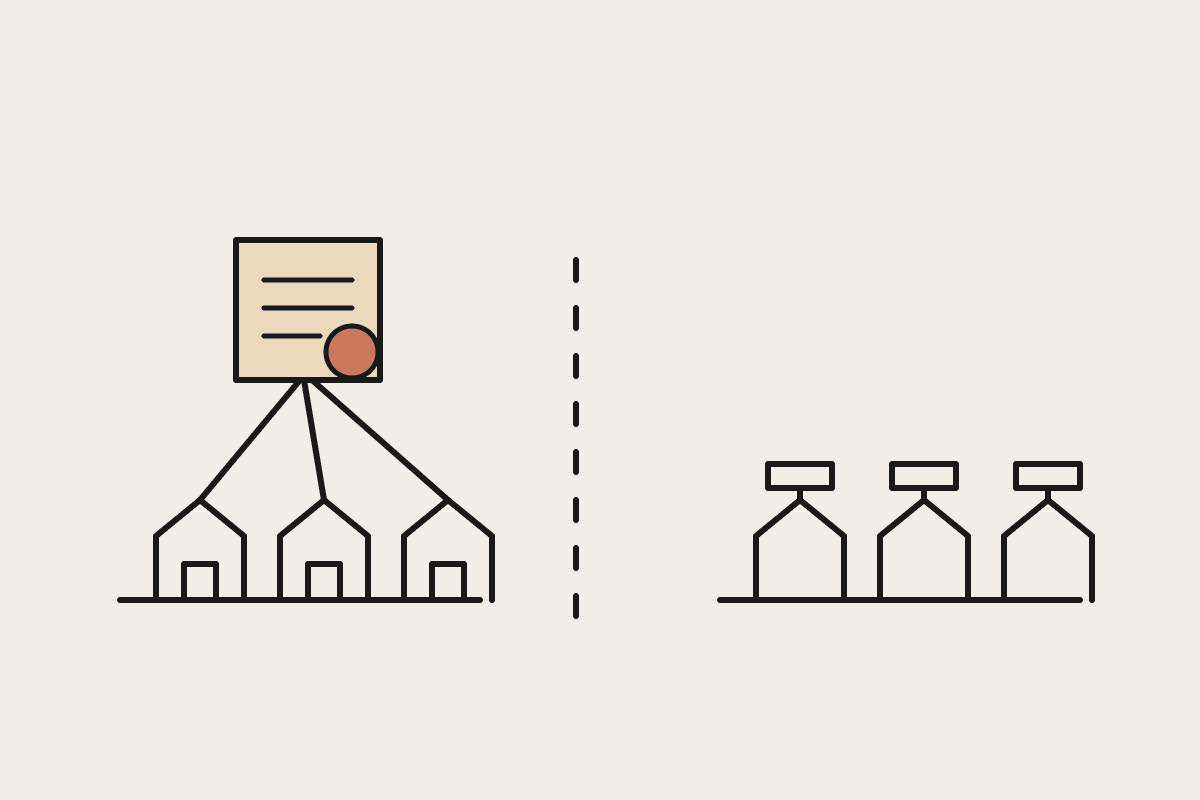
Most wholesale nurseries are not running a sophisticated inventory system. Stock counts often come from a walk-through with a clipboard or a phone, tallied by section, then manually typed into a spreadsheet back at the office. That gap between the physical count and the customer-facing list is where staleness creeps in fastest, and it is also the easiest point to close, because the underlying count data already exists, it just needs to reach the availability list faster than a person can retype it.
How this fits a nursery's actual week
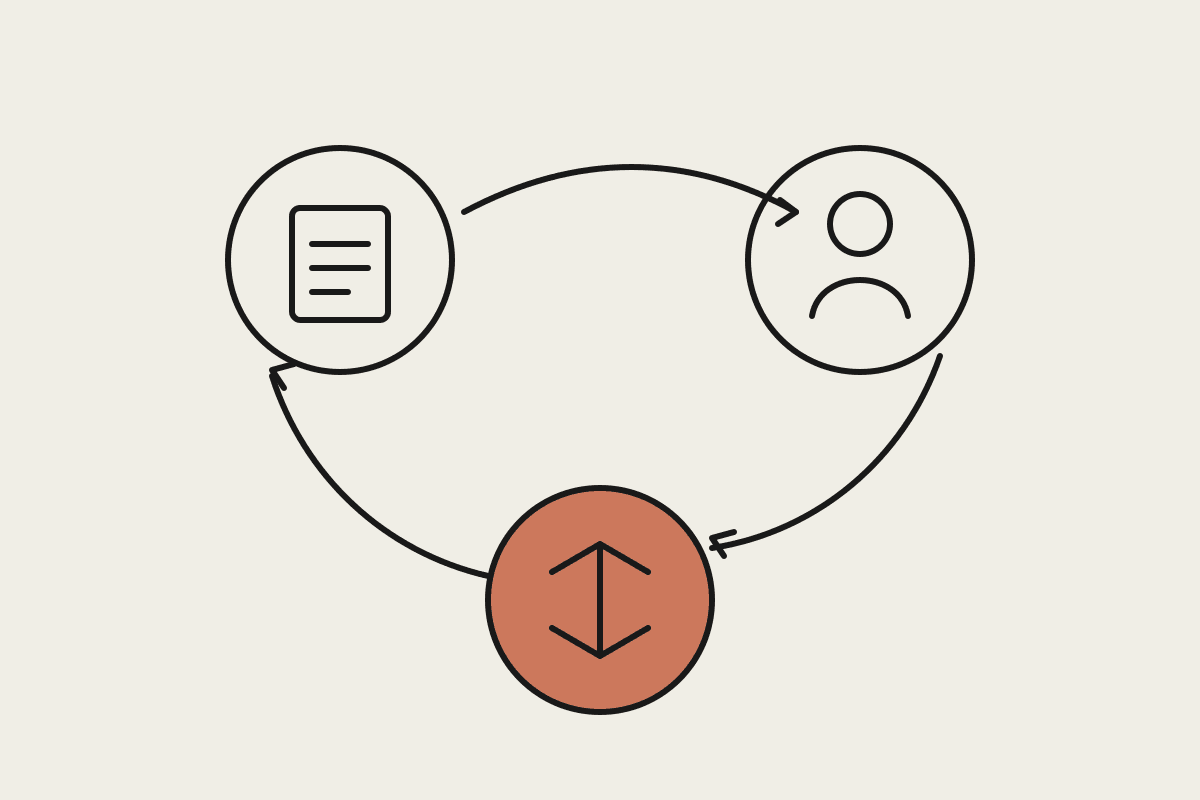
Claude turns a raw stock count, however it is captured, a spreadsheet, a paper tally sheet photographed and transcribed, into a properly formatted availability list ready to send to landscaper and retail customers each week. When a requested line is out of stock, it suggests substitutions from what is actually available, matched on species, size and price band, rather than a customer service person manually scanning the current stock list for alternatives on every call.
For order processing, it drafts the confirmation and dispatch paperwork from a picked order, catching a quantity or line mismatch before a truck leaves rather than after a landscaper opens a delivery short.
Why staleness is the real cost, not formatting
A landscaper who calls a nursery and gets told a plant is available, then finds out at pickup it was sold out that morning, does not come back to that supplier first next time. The cost of a stale availability list is not the hour spent compiling it, it is the trust it slowly erodes with regular customers who need to plan a job around real numbers. Nurseries that keep the list genuinely current, even if that means updating it daily rather than weekly during peak season, report noticeably fewer of these disputes.
The same logic applies to substitutions. A landscaper working to a client's design brief needs a substitution that actually fits the design intent, not just the closest species alphabetically, which is why keeping substitution suggestions grounded in size, form and price band rather than a generic category match matters more than it might first appear.
A worked example: a mid-size wholesale nursery
A nursery running 400 to 600 active lines and supplying sixty to eighty landscaper and retail accounts typically has staff spending eight to ten hours a week compiling and formatting the weekly availability list alone, on top of the phone-based substitution conversations that follow it. Structuring the list directly from stock count data cuts the compilation time to under two hours, leaving more time for the phone conversations that actually need a person's product knowledge.
What it costs and what it's worth
Seasonal peaks make this sharper still. Spring planting season can see order volume triple over six to eight weeks, exactly when staff have the least spare capacity to hand-compile an availability list every day. Having the list update itself from stock data is most valuable precisely when a nursery has the least time to spend on it manually.
A nursery this size typically spends $45,000 to $60,000 a year in staff time on availability list compilation, order confirmation and substitution handling combined. Setup runs $3,500 to $6,000, built around how the nursery actually captures stock counts today, live within two to three weeks.
Where plant knowledge stays with the nursery
Growing decisions, quality assessment and any substitution involving a landscaper's specific design intent stay with nursery staff who know the stock. Claude formats and suggests; a person with plant knowledge confirms every substitution before it goes to a customer.
If your nursery wants to see this against a real availability list, book a session at /contact and bring this week's stock count so we can show you the format live, working against your actual plant lines rather than a generic example.