A broker with three hundred loans on the book cannot phone every client once a year and still write new business. That is the arithmetic problem behind most annual review programs: the obligation is real, the hours are not. The Best Interests Duty under the National Consumer Credit Protection Act does not name an annual call as a legal requirement, but ASIC guidance and most aggregator panels expect brokers to show ongoing contact with existing clients, and clients who never hear from their broker refinance with whoever emails them first.
In Sydney, Melbourne and Brisbane loan books built through five years of historically low rates, the fixed rate expiry wave now rolling through is the biggest attrition risk most brokerages have faced. A client rolling off a 1.99 percent fixed rate onto a lender's standard variable rate without a call from their broker first is a client a competitor is about to win. Aggregator compliance audits increasingly ask for evidence of client contact, not just a policy document saying reviews happen, and a blank annual review column across half a loan book is exactly the kind of gap an audit flags.
The review that never happens
The manual version of this process is well understood and rarely finished. Export the loan book from the CRM, whether that is Podium, BrokerEngine or MyCRM, cross-check each client's current rate against what the same lender now offers for an equivalent loan-to-value band, note fixed rate expiry dates, and flag anyone worth a call. At fifteen to twenty minutes per file, a three-hundred-loan book is a full working week that never gets scheduled between settlements, compliance training and new client meetings. Most brokerages do a version of this for their top twenty clients and hope the rest do not notice.
Whether the client's current rate sits above what the same lender now offers for an equivalent LVR band
Fixed rate expiry dates falling inside the next ninety days
Loan-to-value ratio movement from repayments or valuation growth that could unlock a better pricing tier
Life or income changes mentioned in old email threads or call notes that change the client's borrowing position
Cross-sell gaps worth raising, such as insurance, business lending or an SMSF facility
A compliance file note recording that contact was attempted or made, dated and attributable
Where Claude reads the book, the broker still signs off
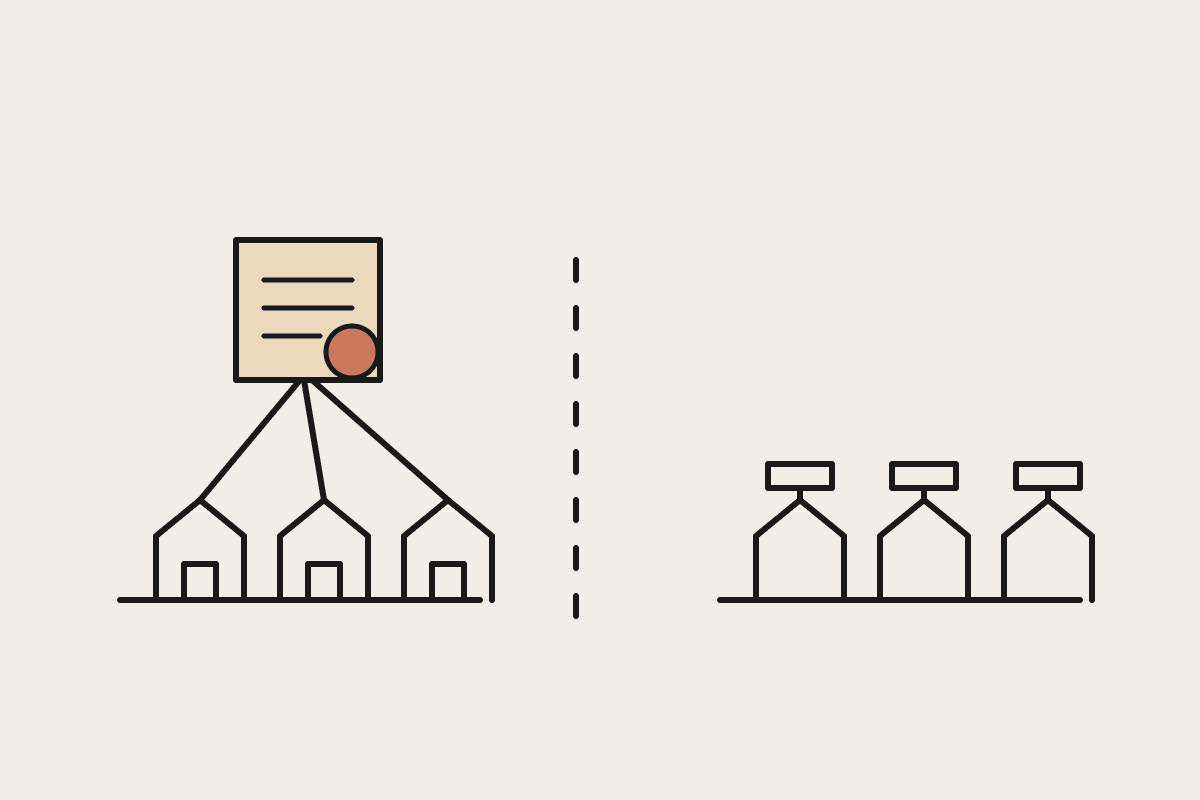
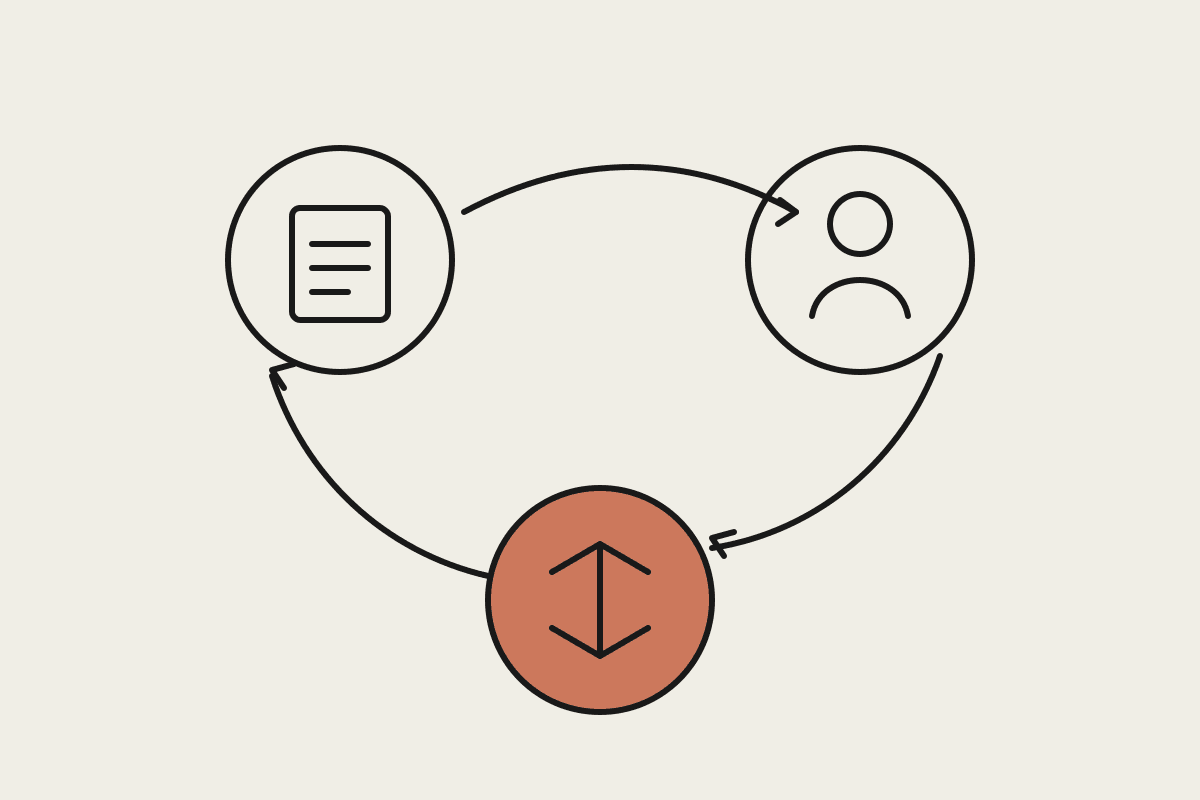
Claude reads the loan book export against a current rate sheet, flags every file where the client's rate sits meaningfully above what is now on offer or where a fixed term is expiring soon, and drafts two things per flagged file: a short, personalised email referencing that client's actual loan and rate, and a file note recording the review for compliance. Nothing is sent and nothing is submitted. Every draft lands in a queue for the broker to read, edit and approve before it goes anywhere near a client's inbox or the CRM's compliance record.
A Brisbane brokerage running its 2026 review through this workflow had 340 active loans on the book. Claude flagged 61 files where the client's rate sat more than 0.4 percentage points above the lender's current offer for an equivalent LVR band, and another 38 with a fixed rate expiring inside ninety days. Drafting client emails and file notes for all 99 flagged files took the broker roughly six hours of review and light editing, against an estimated three and a half weeks if worked file by file by hand. At an average trail value of $1,650 a year on a retained $450,000 loan, holding even a third of those 99 at-risk clients through the review is worth close to $54,000 in trail that would otherwise have refinanced away quietly, with the broker finding out only when the aggregator's book report came through months later. The same file notes doubled as the evidence pack for that brokerage's next compliance audit, which had previously taken a full day to assemble from scratch.
What stays with the broker
Every flagged file is reviewed by the broker before any email is sent, no exceptions
No loan variation, refinance application or product switch is submitted by Claude; that stays with the credit representative named on the licence
File notes are drafted, not filed, until the broker has approved the wording
Client financial data stays inside the brokerage's own CRM and rate systems, handled under the Privacy Act and the brokerage's existing privacy policy, not copied into a separate model beyond what the CRM export already permits
If your annual review currently means an intern working through a spreadsheet in December, or more honestly, not happening at all, we set up the read-and-flag layer once so it runs every year without becoming someone's summer project. Book a 30-minute call and bring last year's loan book export.