A builder community teardown this year of an autonomous operations agent, reverse-engineered from a live product, laid out an architecture pattern that's worth understanding for any Australian founder considering a similar build: a Claude agent that runs recurring business operations end to end, not as a chatbot answering questions but as a system that takes actions, checks its own work, and escalates to a human only when it genuinely needs to.
The core architecture pattern
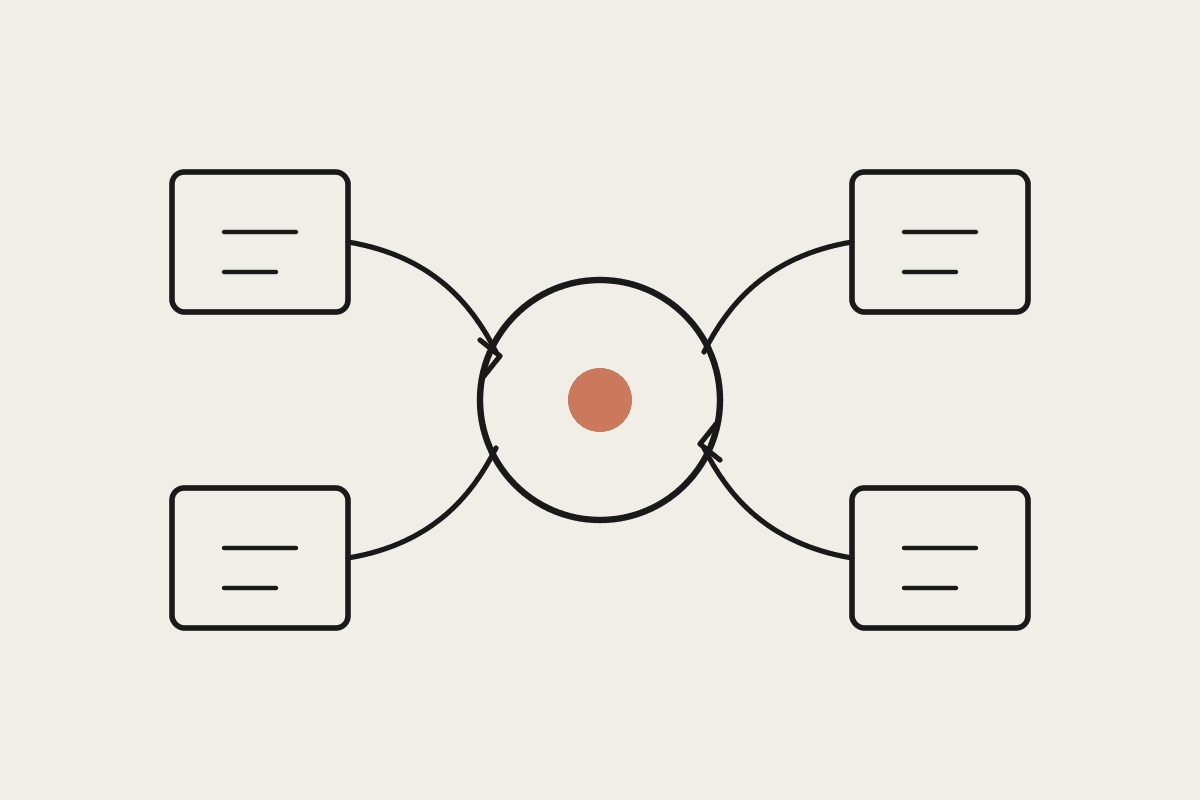
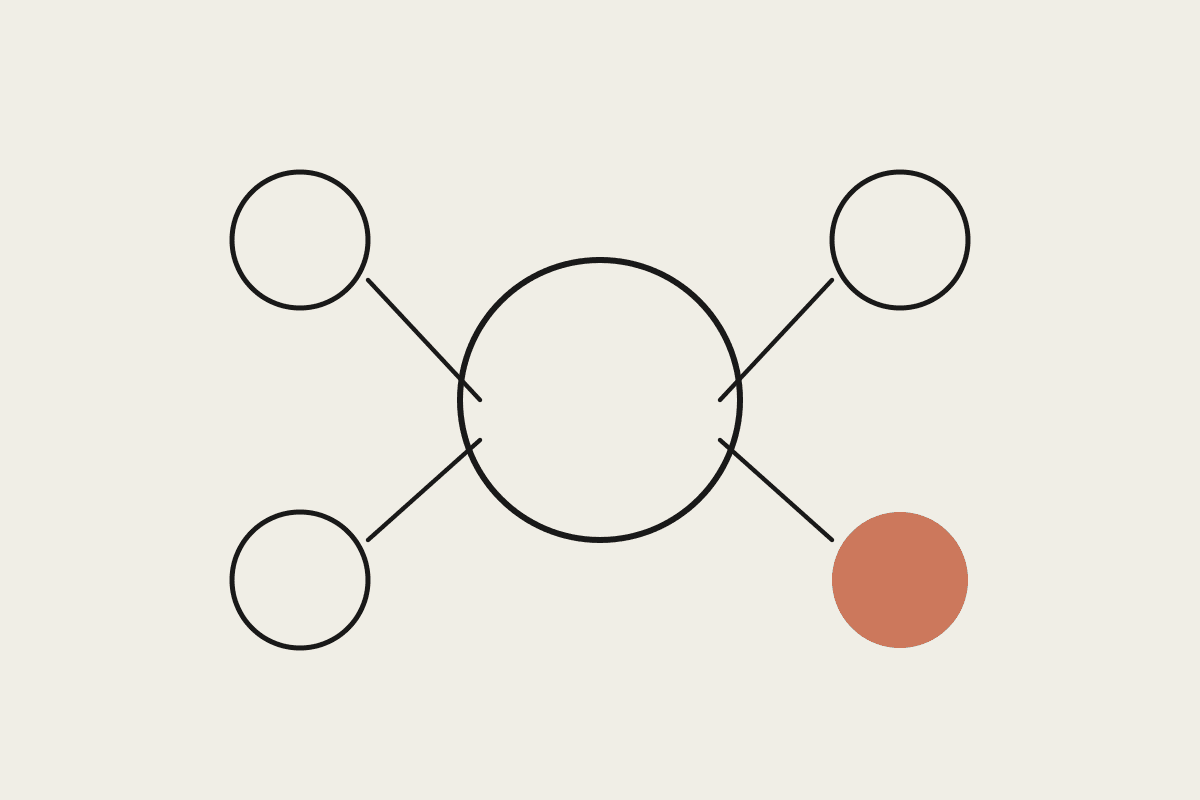
The teardown described a system built around a central Claude agent with a defined set of tools (email, calendar, a CRM connection, a simple task queue) and a scheduling loop that wakes it up on a cadence rather than waiting for a human to start a conversation. That's the meaningful shift from a typical chatbot deployment: the agent has agency to act on a schedule, within tightly defined boundaries, rather than sitting idle until prompted.
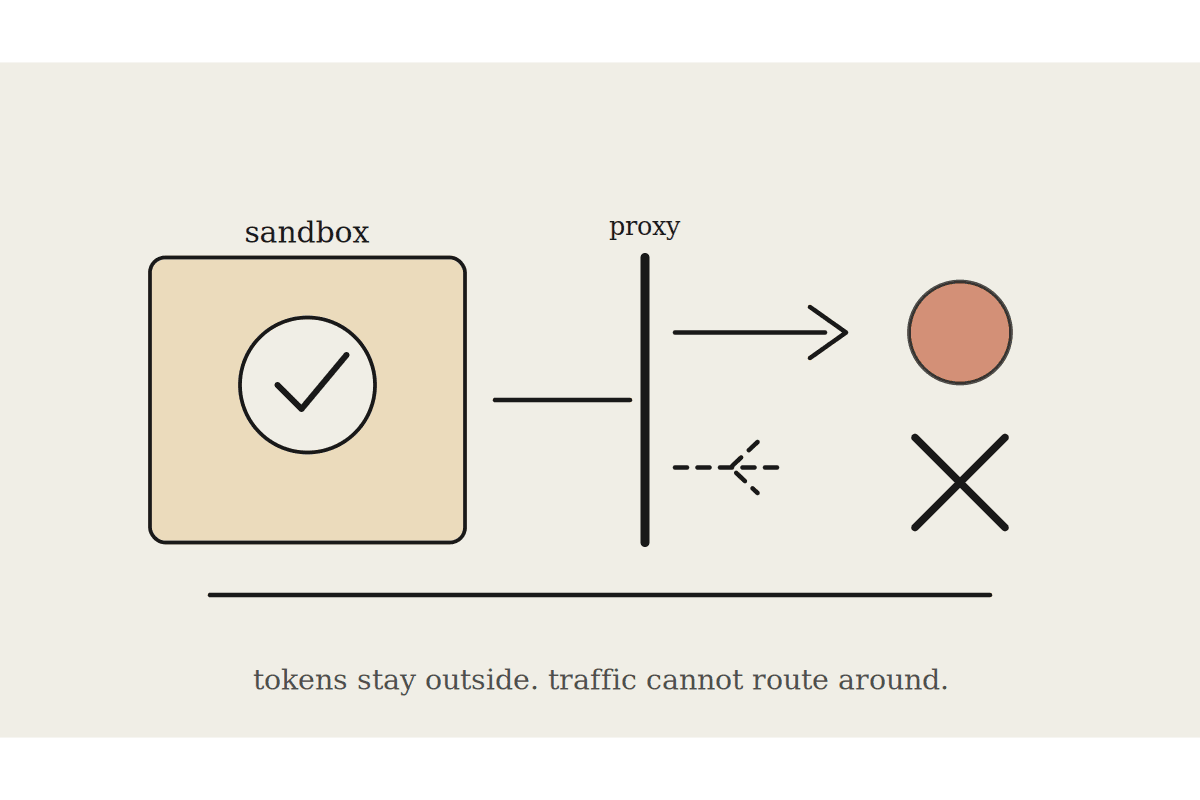
A scoped tool set: the agent can only take actions explicitly wired up for it, no open-ended system access.
A scheduling loop that triggers regular checks (new leads, overdue invoices, unanswered customer emails) without waiting for a human prompt.
An escalation path: anything the agent judges as ambiguous or high-stakes gets queued for human review rather than actioned autonomously.
The memory pattern worth stealing
The most useful technical detail in the teardown wasn't the agent loop itself, it was a Claude Code pre-tool-use hook used to manage codebase memory during the agent's own development. Instead of loading the entire relevant codebase context into every request, the hook filters context down to what's actually needed for the current task, reportedly cutting token usage from around 37,000 tokens per request to roughly 11,000. That's not just a cost saving, it's a reliability improvement: a smaller, more relevant context window means the model is less likely to get distracted by irrelevant code and more likely to act correctly on the task in front of it.
For an Australian team building anything similar, whether that's an internal ops agent or a client-facing automation, this pattern is directly reusable. A pre-tool-use hook that scopes context before each action, rather than dumping everything into every prompt, is one of the most valuable engineering decisions available for keeping a long-running agent both cheaper to run and more reliable in production.
Reading the ARR claims with appropriate scepticism
The community write-up included ARR figures for the underlying product that were self-reported by the founder in a workshop setting, not independently verified. Treat those numbers as a hedge, not a benchmark: it's plausible a well-built ops agent generates real revenue for its operator, but the specific figures quoted should be read as a founder's own account rather than an audited claim. The architecture pattern is the useful, verifiable takeaway here, not the revenue story around it.
What this looks like for an Australian small business
The tools referenced in the original teardown, a specific CRM, a specific calendar integration, are examples rather than a fixed shopping list. The pattern generalises: pick two or three recurring operational tasks a business owner currently handles manually (chasing overdue invoices, triaging inbound leads, drafting weekly progress reports), wire a Claude agent to those specific tools with a tight scope, and add a scheduling loop so it runs without a human starting the conversation each time.
A Sydney-based trades business we advised built a scaled-down version of this pattern for lead triage and invoice chasing, at a build cost of roughly $9,500 AUD, recovering that in under four months from invoices that would previously have gone unchased for weeks. The lesson from the teardown holds: the value isn't in a single clever prompt, it's in the scoped, scheduled, escalation-aware architecture around the model, built by someone who understands both the business process and the engineering discipline required to run it unattended and safely.
Where this can go wrong
The teardown was candid about the failure modes too: an agent with too broad a tool scope, or an escalation threshold set too loose, either annoys staff with constant interruptions or, worse, takes an action it should not have. The discipline that makes this pattern safe is the same discipline that makes it useful: start with a narrow tool set and a conservative escalation threshold, watch how the agent actually behaves against real operational data for a few weeks, and only widen its authority once its judgement has been tested against real edge cases, not assumed to be reliable from day one.
For an Australian business considering this kind of build, the honest sequencing is architecture first, ambition second. Get the scoped tool access, the scheduling loop and the escalation path right on one narrow task before expanding to run more of the business autonomously. That is the difference between an agent that quietly saves a business real hours every week and one that becomes a liability nobody wants to be responsible for.