Shopify's chief executive Tobi Lutke said publicly that he had considered banning Claude Code inside Shopify until it reads AGENTS.md. Read as a vendor spat it is not very interesting. Read as a configuration problem, it is one that most Australian teams running more than one AI coding tool across the same repository already have, whether or not anyone has named it yet.
Here is what the argument was actually about, where Claude Code stands as of September 2026, and how to lay out your instruction files now so you are not rebuilding them when the question settles.
What is the AGENTS.md split-brain problem?
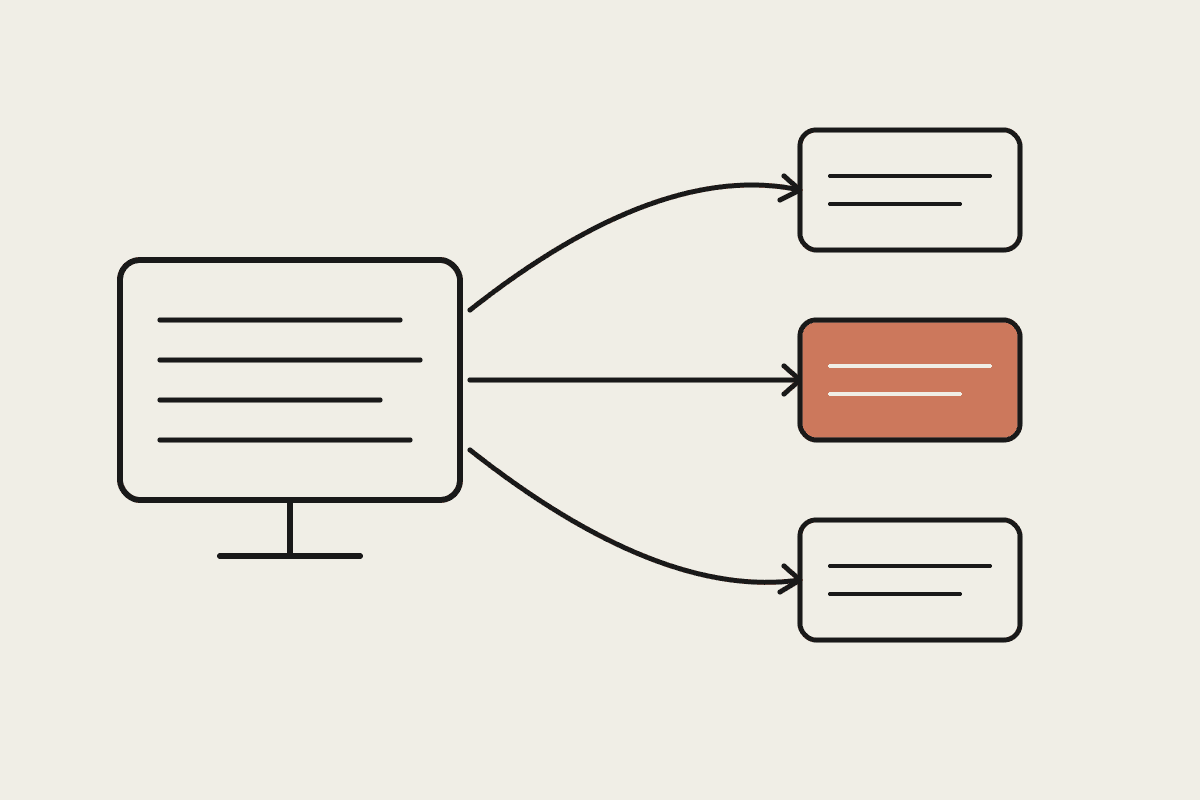
Lutke's complaint was about consistency at scale. Claude Code reads CLAUDE.md. Codex CLI reads AGENTS.md. So do Cursor, GitHub Copilot, Gemini CLI, Zed, Aider and a long tail of others. In a monorepo where different developers use different harnesses, a directory carrying one file and not the other hands some of the team full project context and the rest a guess. He called it a split brain. At Shopify's size the cost of that is not theoretical.
Anthropic's Thariq Shihipar answered that model families are not interchangeable. System prompts differ by model, and newer Claude models respond to instructions, Skills and CLAUDE.md differently to older ones. On that reading, one shared file every tool reads verbatim produces worse output rather than better, because the file cannot be tuned to the model reading it.
Both points hold, which is why the thread ran hot. The real disagreement is about who carries the adaptation burden. Anthropic's position puts it on the file. The repository owners pushing back say it belongs in the harness, because they are not going to maintain a dozen variants of the same architecture note.
Does Claude Code read AGENTS.md?
Claude Code reads CLAUDE.md. It does not read AGENTS.md natively, and there is no published date for that changing.
AGENTS.md is no longer an OpenAI house format. It was published in August 2025 and handed to the Linux Foundation's Agentic AI Foundation later that year. By May 2026 it was in more than 60,000 open source repositories.
Cursor, Windsurf and Cline all added native AGENTS.md support during the first half of 2026, so the pressure on Claude Code is coming from the wider field rather than one competitor.
Anthropic's own memory documentation explains how to force the behaviour. The feature is missing; the workaround is sanctioned.
| Tool | Instruction file it reads | Note |
|---|---|---|
| Claude Code | CLAUDE.md, not AGENTS.md | No published date for native AGENTS.md support |
| Codex CLI | AGENTS.md | Format published August 2025 |
| Cursor | AGENTS.md natively | Added in the first half of 2026 |
| Windsurf | AGENTS.md natively | Added in the first half of 2026 |
| Cline | AGENTS.md natively | Added in the first half of 2026 |
| Copilot, Gemini CLI, Zed, Aider | AGENTS.md | The wider field the pressure comes from |
The practical question, then, is not whether Anthropic ships native support. It is how to arrange your files so the answer stops mattering to you either way.
How to lay the files out today
One source of truth, one pointer, and Claude-specific content kept separate from everything else.
1. Put shared project intent in AGENTS.md
Architecture constraints, testing requirements, naming and commit conventions, protected directories, how to run the suite, what an agent must never touch. This is the material that is true regardless of which model reads it. Anything model-specific does not belong here.
2. Point CLAUDE.md at it rather than copying it
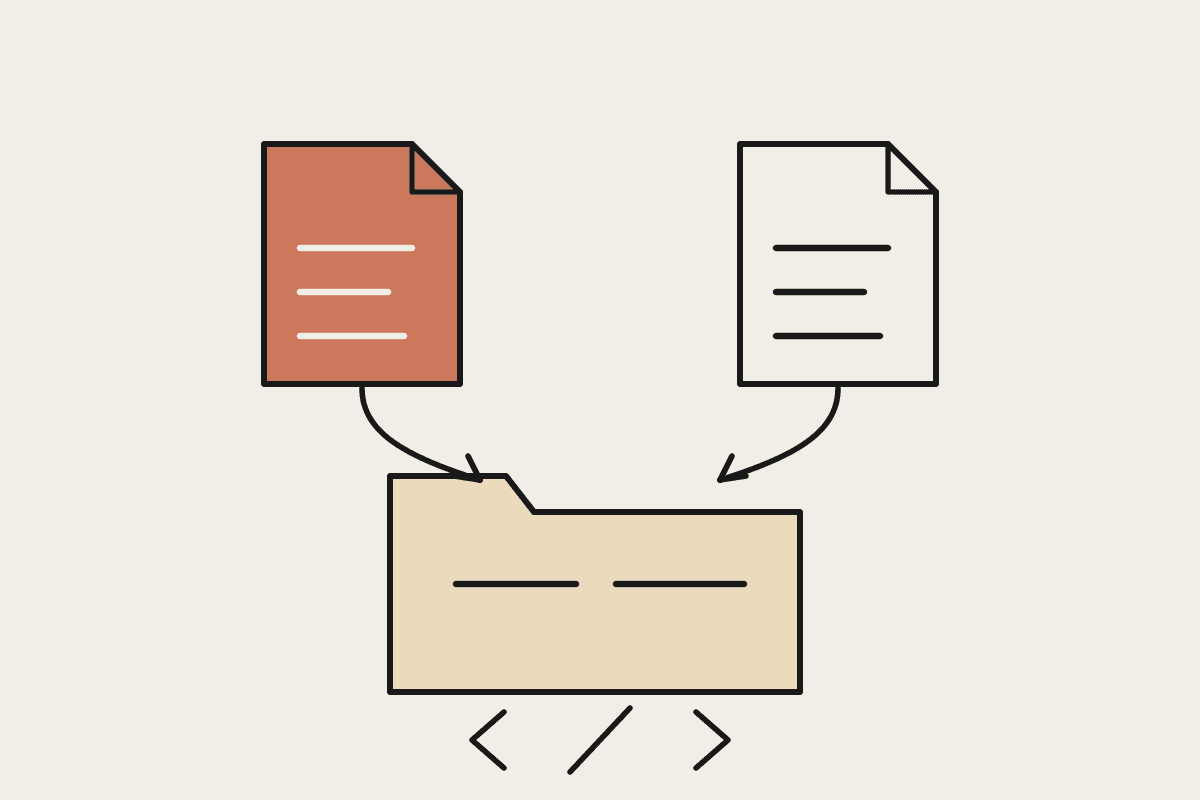
CLAUDE.md supports imports, so a one-line file does the job: an @AGENTS.md import at the top. Below that line, add only what is genuinely Claude-specific, such as the Skills you want invoked, tool permissions, and phrasing a Claude model responds to differently. Everything else stays upstream. One file changes, both harnesses see it.
3. Or symlink, if nobody edits CLAUDE.md
Anthropic's documented approach is a symlink: ln -s AGENTS.md CLAUDE.md. That is the cleanest option when you have no Claude-specific overrides at all. The trade is that you lose the escape hatch the moment you want one. We use the import in client repositories and keep the symlink for small internal ones. Check it on Windows machines, where git needs symlink handling switched on before this behaves.
What does maintaining two instruction files cost?
The option most teams land on by default is neither of these. It is two full files, kept in step by hand, and it bills quietly. A mid-level developer in Sydney on A$140,000 costs roughly A$95 an hour once super, leave and overhead are loaded on. Say the pair drifts once a fortnight and someone spends 40 minutes reconciling them and re-running a suite that failed on a stale convention. That is about A$1,650 a year on one repository, before you count the pull requests written against the wrong convention and reviewed twice. Across eight active repositories you are paying roughly A$13,000 a year to maintain a copy of a file you already had.
The import costs one line and cannot drift, because there is nothing to drift from.
What not to conclude from this
It is not a reason to standardise on a single AI coding tool. Different harnesses suit different work, and the layout above is precisely what preserves that choice.
Shared instructions do not replace review. An agent that has read your conventions still writes code a person has to approve, and your Privacy Act obligations about what goes into a third-party model do not change because the instruction files got tidier.
A longer AGENTS.md is not a better one. Instruction files compete with your code for the same context window. Short and enforced beats thorough and skimmed.
If your team is running Claude Code alongside other tools and the instruction files have quietly forked, that is a half-day fix, not a project. We do this inside client repositories most weeks. Book a time and we will look at how yours are laid out.