Postmortems and runbook upkeep are two of the tasks SREs consistently say they don't have enough time for, and both are exactly the shape of work Claude Code handles well: reading through logs and incident timelines to draft a structured first pass, then leaving the judgement calls about root cause and prioritisation to the engineer who actually understands the system.
Where the postmortem bottleneck actually sits
The technical investigation into what broke usually happens in the moment, while the incident is live or immediately after. What consistently slips is the written postmortem itself: pulling the timeline together from Slack threads, monitoring dashboards, and deploy logs, formatting it into something the team can actually review, and extracting concrete action items rather than a vague "we should improve monitoring" line that never gets actioned. That reconstruction work is exactly what eats the days between an incident resolving and the postmortem actually getting written, if it gets written at all.
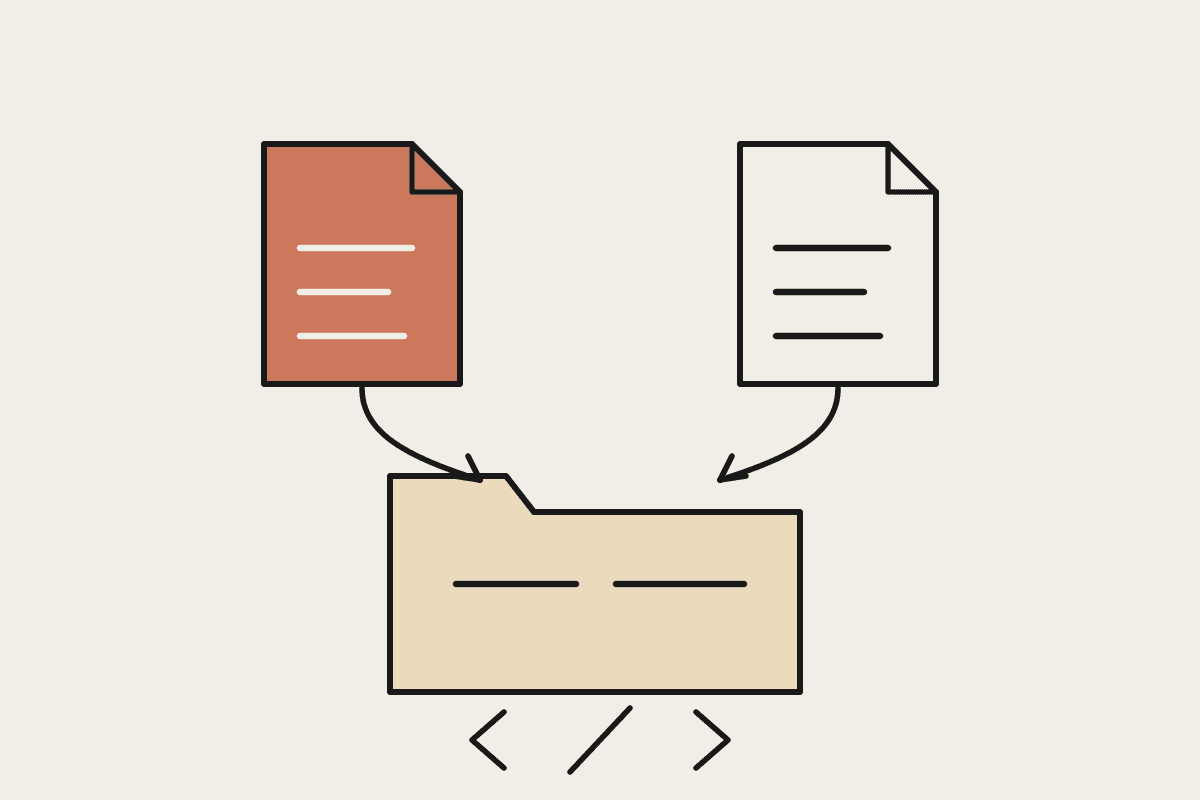
Pulling a timeline together from Slack, monitoring alerts, and deploy history into one chronological draft.
Drafting the impact summary and root-cause narrative for an engineer to correct and confirm, not invent.
Extracting specific, assignable action items from the discussion rather than leaving vague intentions.
Cross-referencing the incident against similar past postmortems to flag a recurring pattern a single incident review might miss.
It is worth naming the compliance dimension for a regulated Australian business too. For a fintech or financial services SRE team operating under APRA's CPS 230 operational resilience standard, a documented, auditable trail of postmortems and current runbooks isn't just good practice, it's close to a direct expectation of the standard itself. A drafting assistant that reliably produces that documentation on the same day an incident resolves, rather than a week later if at all, is a genuine compliance asset, not just an engineering convenience.
Runbook upkeep: the task nobody prioritises until it matters
Runbooks rot quietly. A step that was accurate six months ago references a service that has since been renamed, a dashboard link that has moved, or a mitigation step that no longer applies after an architecture change. Nobody notices until an on-call engineer is following the runbook during an actual incident and hits a dead link or a step that doesn't match reality, which is the worst possible moment to discover documentation debt.
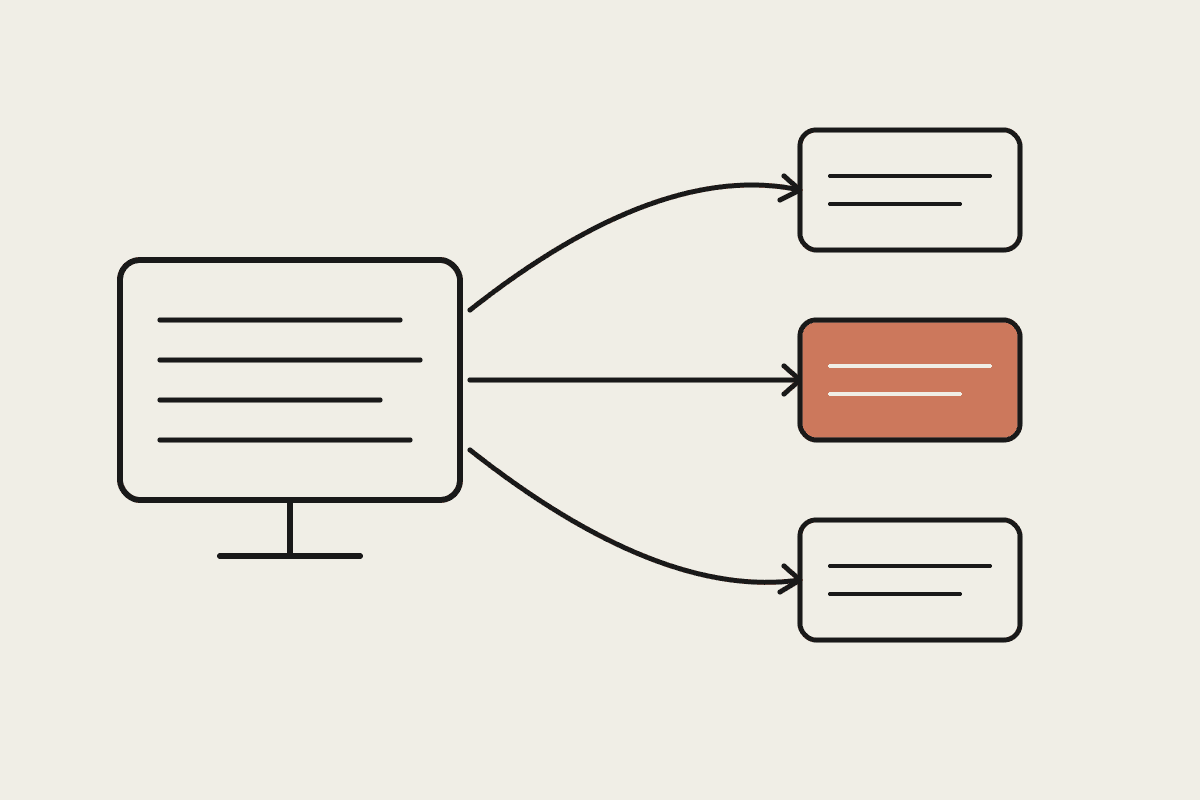
Claude Code can be pointed at a runbook alongside the current state of the systems it describes, checking whether referenced services, dashboards, and commands still exist and still work as documented, flagging drift for a human to confirm and fix rather than silently rewriting operational documentation unsupervised. That review is exactly the kind of task that never makes it to the top of a sprint on its own merits but genuinely matters the one night it gets used under pressure.
Access scope matters here too, more than it might seem for what looks like a documentation task. Claude Code drafting a postmortem needs read access to logs, monitoring, and incident channels, not write access to production systems, and that boundary should be explicit in how the integration is configured rather than assumed. A tool that reads incident history to draft a summary is a fundamentally lower-risk integration than one with any path to touching the systems it is reporting on, and keeping that separation clear is worth the small extra setup effort.
Where the human judgement stays
Root cause determination, severity classification, and any decision that affects how a team is evaluated or whether a customer gets notified stay firmly with a human engineer. Claude's role is assembling the raw material accurately and completely so the engineer spends their time on judgement rather than reconstruction, not making the judgement calls itself. A draft postmortem an SRE reviews and corrects in twenty minutes is a materially different, and safer, workflow than an unreviewed document going straight to the team.
A worked example
A Sydney fintech's SRE team was averaging almost a week between an incident resolving and its postmortem actually getting published, long enough that details had faded and action items lost urgency by the time anyone read them. Pointing Claude Code at the incident channel, monitoring history, and deploy logs produced a structured first draft within an hour of resolution, timeline, impact summary, and a first pass at contributing factors, ready for the on-call engineer to correct and finalise the same day rather than the following week. Publishing same-day instead of a week later changed the postmortem from a compliance exercise nobody engaged with into something the team actually used to fix things.
The Automata AI take
We build this exact pattern for AU engineering teams running Claude Code: automated timeline reconstruction for postmortems, and a scheduled runbook drift check that flags stale documentation before an incident exposes it. A scoped build covering both typically runs A$3,500 to A$7,000 depending on how many services and runbooks are in scope.
Book a brainstorm if your team's postmortems or runbooks have been quietly falling behind.