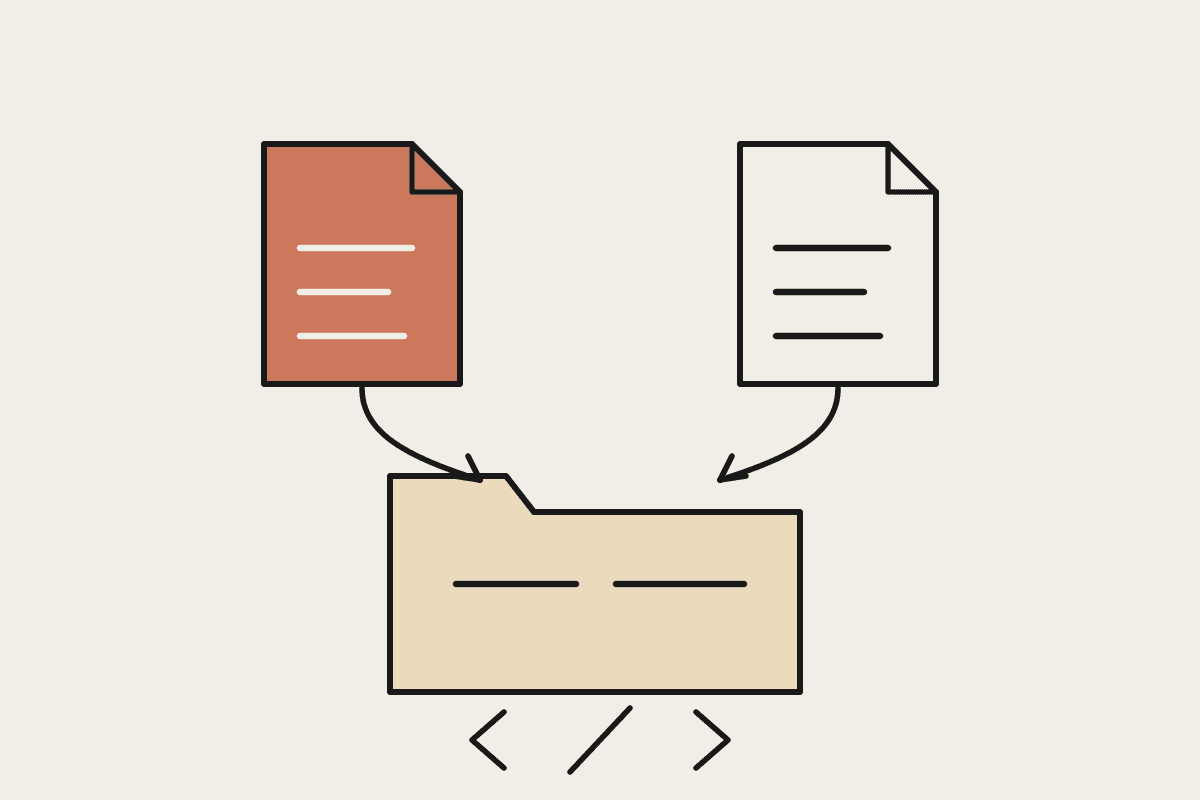
DeepSeek Harness passed 120,000 GitHub stars within days of going open source this month. The pitch is simple and correct: an agent equals a model plus a harness. The model reasons. The harness controls file access, tool permissions, command execution, approval gates and session storage. DeepSeek open-sourced that layer, including a command-line tool called dsh, and the release notes say the quiet part out loud: Codex, Claude Code, and Cursor rely on a similar layer.
That is worth sitting with, because it is true, and because the harness is the part of an AI coding agent that decides whether you can run it near production data without someone getting fired.
What DeepSeek Harness gets right
The architecture is genuinely interesting. Everything, including the agent loop itself, lives in a plugin system: models, tools, sessions, storage, sandboxes, UI. Unload a plugin and its tools, listeners and routes disappear cleanly, with no stale state after a hot reload. Every message, tool call and result goes into an append-only event log, and a trajectory view replays a full run for debugging or audit. Four runtime modes cover everything from daily coding to long batch workflows to plugin development.
DeepSeek is upfront that this is a developer preview: configuration and APIs will change, and third-party plugins run with host privileges, so you inspect their dependencies before installing. That caveat is the whole story.
The gap that matters for a business, not a hobbyist
A harness that is genuinely useful for a business is not just architecturally clean. It has to answer three boring questions before it touches anything real:
Who approved this tool call, and is that approval recorded?
What happens if a write fails halfway through, and can the agent recover safely?
Can someone outside engineering read the audit trail six months from now?
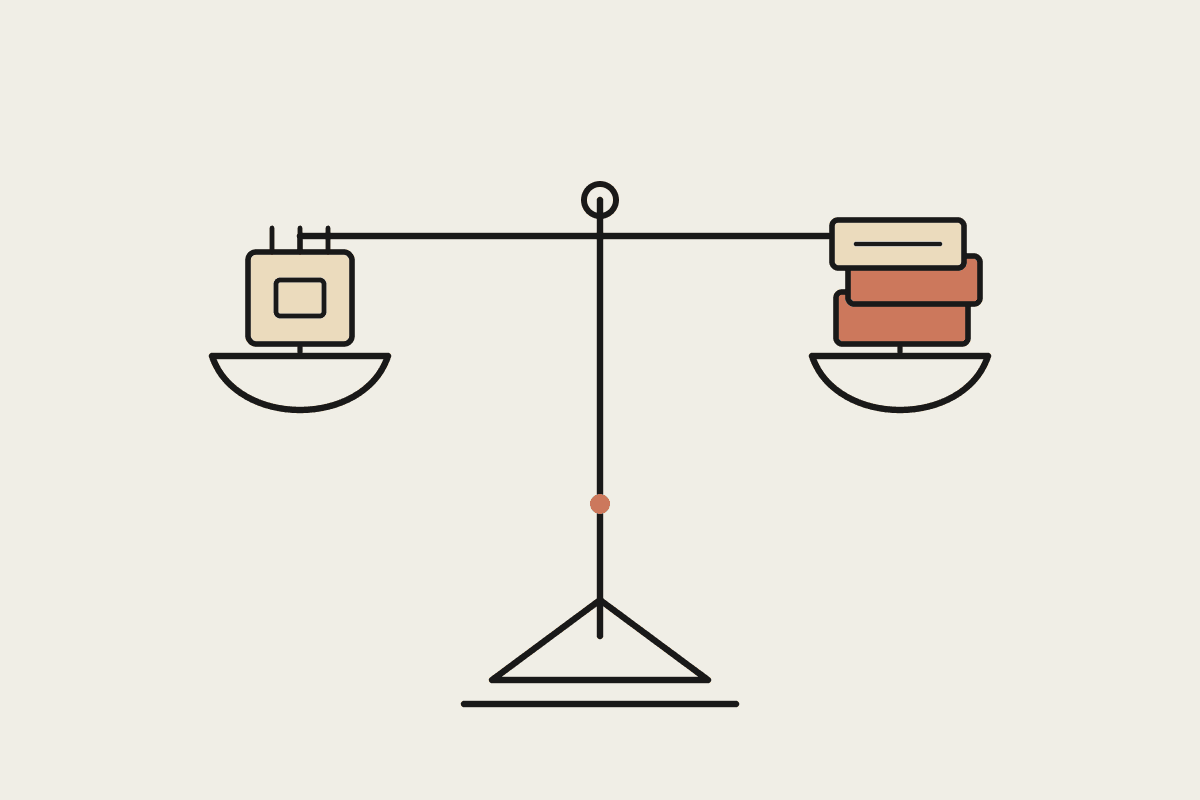
Claude Code's harness, with its skills, hooks, subagents and dynamic workflows, has been through the version of that stress test that matters: shipped, used by enterprises processing real client data, and iterated in the open across a year of engineering posts on harness design, agent skills and containment. That is a different maturity curve to a plugin ecosystem that is one week old and explicitly not stable yet.
The checklist is the same whichever model you pick
For an Australian business evaluating any agent harness, ours or a competitor's, the test does not change with the model underneath: is every tool call gated by an explicit permission, is there an audit log a non-engineer can read, and can you roll back a bad agent version without someone hand-editing a config file at 11pm. DeepSeek Harness will likely get there; the project is young and moving fast. Right now, on those three questions, Claude Code already has. Standing up a production-grade harness on top of it, with the gates and logging a real business needs, is usually a scoped build in the order of $15,000, not a weekend of wiring together a preview.
The open-source excitement is deserved, and reading DeepSeek's code is a good way to understand what a harness even is. Just keep the developer-preview label in view. Experimenting with a harness and betting your production agents on one are different decisions, and the second one rewards maturity over novelty, and a governed production harness is worth building deliberately rather than adopting on release-week enthusiasm.
Why maturity beats novelty here
It is tempting to treat 120,000 stars as a verdict. It is not; it is interest, which is a different thing from production readiness. The parts of a harness that earn the stars, clean architecture, a slick plugin system, a nice replay view, are the parts you see in a demo. The parts that decide whether you can trust it with a client database, permission gates that hold under failure, recovery from a half-completed write, an audit trail that survives an upgrade, are the parts you only learn by running it in anger for a year against real workloads and real failures. That gap is not a knock on DeepSeek; it is just where a one-week-old project sits.
For an experiment or a learning exercise, novelty is fine and reading fresh code is valuable. For anything a business depends on, the boring track record is the feature. Pick the mature harness for production and treat the exciting new one as a place to learn, not a place to bet the workloads your business actually depends on.
If you are choosing a harness to build production agents on, not just to experiment with, book a session and we will pressure-test it against the checklist above.