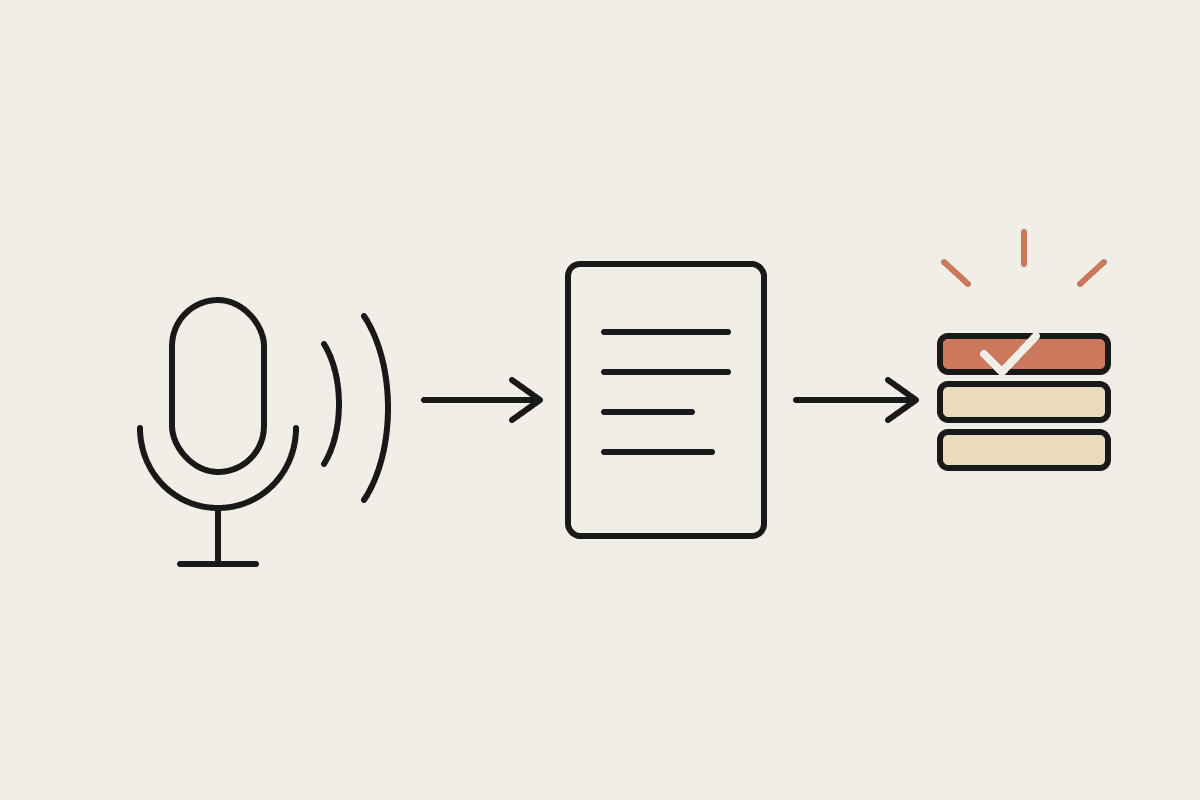
A real estate transaction generates a steady stream of admin between the moment a property is listed and the day it settles: contract requests, condition report chasing, vendor updates, buyer follow-ups, and the paperwork trail a conveyancer will eventually ask for. Most agencies handle this with a mix of memory, sticky notes and whoever isn't on the phone. Claude Cowork gives that lifecycle a system instead.
Where the admin load actually sits
The listing-to-settlement journey has predictable checkpoints: listing live, first open home, offer received, contract exchanged, cooling-off period, finance approval, building and pest, settlement date confirmed. Each checkpoint has a small set of things that need to happen, an email to the vendor, a document request to the buyer's solicitor, a reminder to chase an outstanding form, and each one is easy to forget when an agent is juggling six listings at different stages simultaneously.
What Cowork tracks and drafts
A running status board per property, updated from calendar events, emails and CRM notes rather than manual entry
Draft vendor update emails at each checkpoint, using the actual property and timeline detail, queued for the agent to review before sending
Reminders for outstanding documents, building and pest reports, finance approval letters, before they become a settlement-day scramble
A settlement-week checklist that pulls together everything still outstanding across all active listings
Where the agent still leads
Nothing in this workflow negotiates, values a property, or represents the vendor's interests in a conversation. Cowork drafts the update; the agent decides what actually gets said to a vendor who's anxious about a slow campcampaign, or a buyer pushing on a finance clause. The system's job is making sure nothing falls through a crack during a six-to-eight-week window with a lot of moving parts, not replacing the relationship work that sells the property.
A worked example
A Sydney agency running eight to twelve active listings at any time set up a Cowork board that tracks each property against its checkpoint list, sourced from calendar entries and inbox threads rather than manual updates. The principal estimated the admin previously took a full-time coordinator role; the agency now runs the same volume with the coordinator handling exceptions and vendor calls rather than data entry, a shift worth roughly $65,000 a year in redirected capacity rather than a new hire.
Compliance still needs a human sign-off
Real estate transactions carry real regulatory weight: cooling-off periods, disclosure obligations, and trust account rules that vary by state. Cowork can flag that a disclosure document hasn't been sent, but it should never be the system deciding what counts as adequate disclosure. Treat every compliance-adjacent output as a draft for a licensed agent to check, not a finished action.
Rolling it out gradually
Agencies that get the most from this start with one checkpoint, usually settlement-week document chasing, because it's the most painful and the easiest to measure. Once that's running reliably, add the vendor-update drafts, then the earlier-stage reminders. Trying to automate the whole lifecycle in week one usually means nothing gets properly checked before it ships.
A quick audit you can run today
Pick your three most recent settlements and check how many reminder emails, document chases or status calls happened in the final week versus spread evenly across the campaign. If most of the admin clusters into a last-minute scramble, that's the exact pattern a checkpoint-based system is built to smooth out.
What this isn't
This isn't listing-copy generation or a CRM replacement, it sits alongside whatever CRM the agency already runs. It's also not a system that removes the need for a coordinator on a high-volume agency; it changes what that role spends its day doing.
Getting started
Map your actual listing-to-settlement checkpoints, the ones your agency uses today, not a generic list
Identify which vendor and buyer communications are repetitive enough to draft automatically
Connect Cowork to your calendar, inbox and CRM so the status board updates itself
Start with draft-only vendor updates before automating anything client-facing without review
Most agencies that try this find the biggest win isn't the time saved on any single listing, it's the reduced risk of the one property that quietly slips through the cracks during a busy month, the one where a document chase gets forgotten and settlement day turns into a fire drill. A checkpoint system catches that property the same way it catches every other one, because it doesn't get distracted the way a person juggling a dozen files does.
If your team is spending more time chasing paperwork than selling property, that's a fixable admin and process problem, not a headcount problem. Get in touch: https://www.automataai.com.au/contact
Where to go next
If you are setting Cowork up from scratch, start with Claude Cowork setup guide. Two pieces that sit closest to this one: