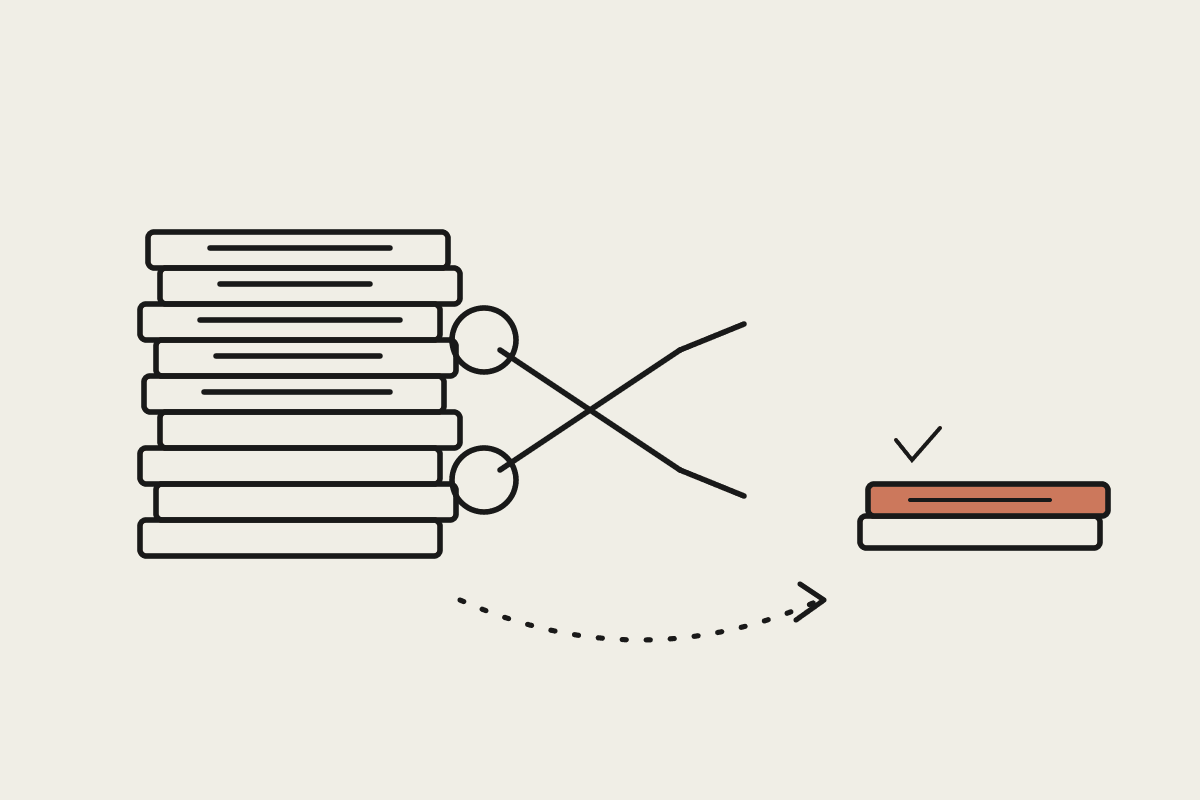
Claude just got simpler, and it did that by removing things, not adding them. Anthropic's engineering team confirmed this week that it stripped more than 80% of the system prompt Claude Code uses to run on Claude 5-generation models, including Claude Opus 5 and Claude Fable 5. Coding evaluation results did not drop. For any Australian business running a custom CLAUDE.md file, internal Skills, or agent prompts for staff, that's a genuinely useful signal: the instinct to keep bolting on rules every time something goes wrong may now be working against you rather than for you.
The surprising fix: delete instructions, don't add them
Most teams treat a system prompt or CLAUDE.md file the way they treat a compliance manual: every incident adds a new clause. A contractor overwrote a file once, so a rule got added. An agent left messy comments in code, so another rule got added. Over months, that produces a file that is long, defensive and full of instructions written for a problem that happened once, under a model that has since been replaced. Anthropic's finding is that on newer Claude 5-generation models, most of that defensive weight is no longer earning its place. The model is now good enough at judgement and context that a shorter, clearer prompt performs at least as well as the bloated version, and sometimes better.
What was actually going wrong
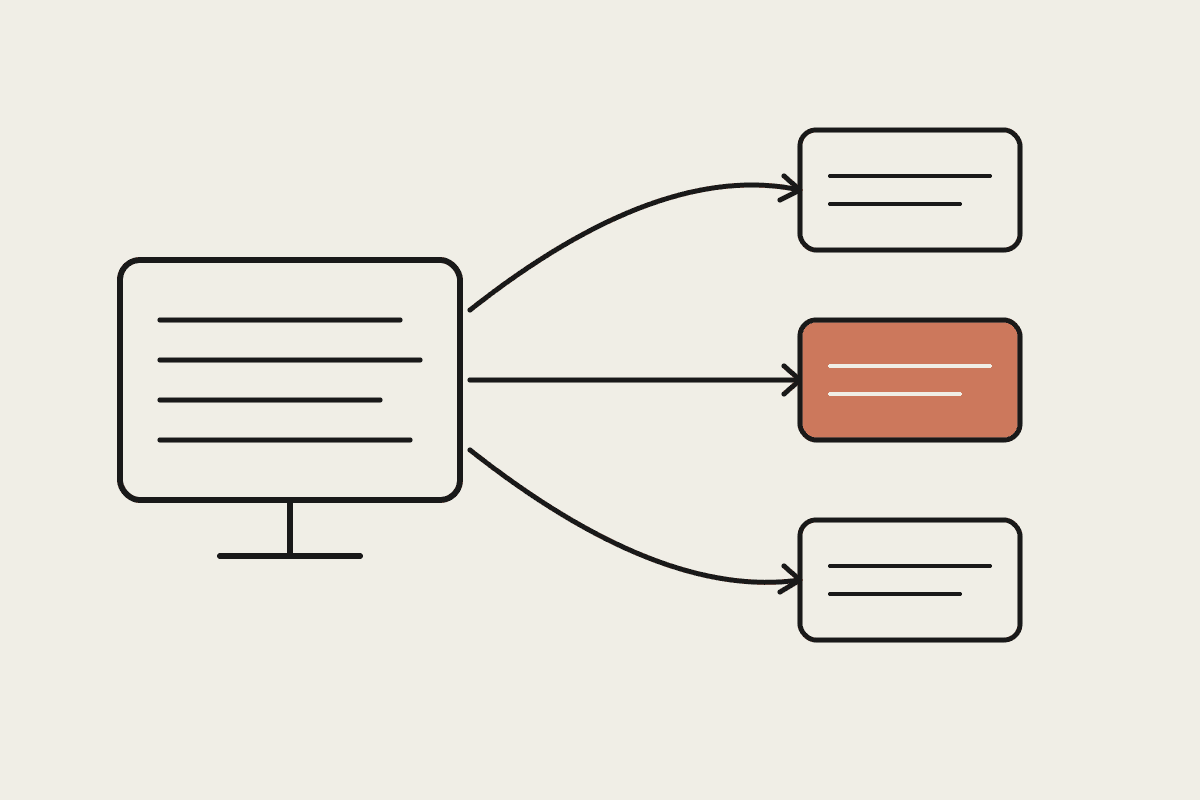
Anthropic's team found their own system prompt, CLAUDE.md files and Skills were routinely giving Claude conflicting instructions at the same time. One rule said leave documentation as appropriate. Another said do not add comments. A third was whatever the user had just typed into the chat. Older models needed heavy constraints to avoid worst case outcomes, so piling on rules was a reasonable way to keep behaviour predictable. Claude 5-generation models are better at resolving that kind of conflict using judgement and the surrounding context, rather than needing every edge case spelled out in advance. Keep stacking old-style constraints on top of a newer model and you are not adding safety, you are adding noise it has to work around.
What changed in practice
Three changes came out of the audit worth knowing if you run Claude Code day to day.
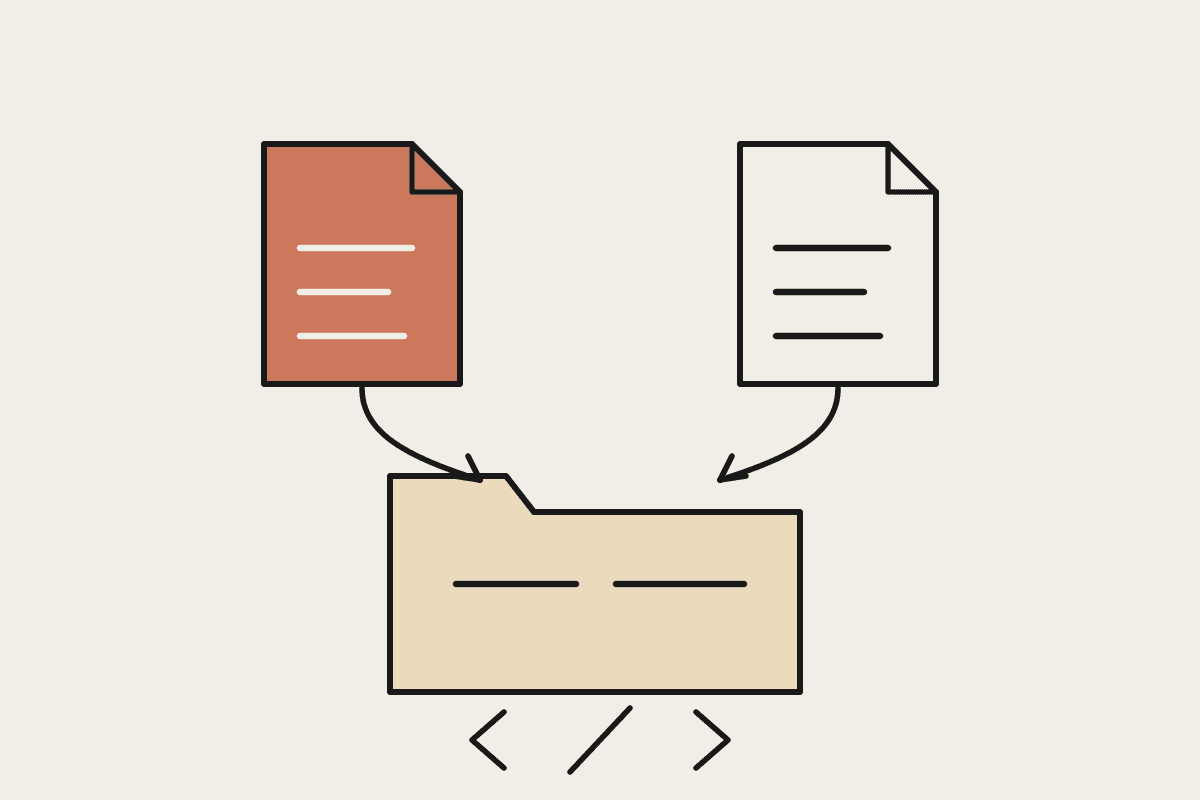
Claude Code now treats memory, artifacts and Skills as separate tools, rather than asking one CLAUDE.md file to carry every instruction at once.
The team built a rightsizing command, /doctor, specifically to audit and trim bloated skills and CLAUDE.md files.
Fewer, clearer instructions outperformed longer, more defensive ones once the model got better at inferring intent on its own.
That pattern will feel familiar to anyone who has watched an internal wiki or an onboarding document grow past the point anyone reads it end to end. The more rules a prompt carries, the more likely two of them quietly contradict each other, and the harder it becomes for a new team member, or a new model, to work out which one wins. Trimming isn't about being less careful. It's about making sure the instructions that are left are the ones actually doing work.
Why this isn't just a Claude Code story
The same pattern shows up anywhere a business has built internal AI tooling over the past year or two: a prompts folder for a support bot, a set of Skills for finance reporting, a CLAUDE.md file shared across a whole engineering team. Each of those tends to accumulate rules the same defensive way, one exception at a time, and rarely gets a pass to remove anything. Anthropic's 80% figure is specific to Claude Code's own system prompt, but the underlying lesson travels: a rule written to patch one bad output from an older model is not automatically still useful once the model underneath it changes. Businesses that treat their prompt and Skills library as a living document, reviewed on a schedule rather than only when something breaks, are the ones least likely to be carrying dead weight when the next model upgrade lands.
What we'd check in a client's setup this week
Most Australian teams we've onboarded onto Claude Code over the past year built their CLAUDE.md files the defensive way: a new rule every time something went wrong once, rarely removed later. That approach made sense while the underlying models needed the extra guardrails. On Claude Opus 5 and Fable 5, an overloaded CLAUDE.md file can cost you clarity, and, on Anthropic's own numbers, up to 80% of prompt weight that isn't doing anything useful anymore. If your setup was built against an older model and hasn't been touched since your last upgrade, there's a reasonable chance you're carrying rules the current model doesn't need and may even be working around.
The cost is not just theoretical. For a business paying a contractor or in-house engineer somewhere in the $120,000 to $150,000 AUD a year range, partly to maintain internal tooling, a bloated prompt setup translates into hours of avoidable maintenance every quarter. Every rule someone has to read, question and decide whether to keep is time spent on upkeep instead of on the work the tooling was meant to speed up.
This isn't only relevant if you've already upgraded to Opus 5 or Fable 5. Even teams still running earlier Claude models get value from working out which CLAUDE.md rules are actually load-bearing versus which ones were added out of caution and never revisited. A shorter, well-organised prompt is easier to hand over to a new hire, easier to explain to a client, and easier to update the next time a rule genuinely needs adding. Treat the audit as maintenance you were always going to need, not a reaction to one blog post from Anthropic.
A quick audit checklist
List every rule in your CLAUDE.md file and ask who added it and why.
Check whether any two rules could plausibly contradict each other under a real prompt.
Flag rules written for a specific past incident that hasn't recurred.
Move anything that belongs to a single workflow into its own Skill instead of the shared file.
Re-run your usual test prompts after trimming to confirm nothing broke.
Practical next step
None of this needs a rebuild. It is an audit, and a short one.
Run /doctor in Claude Code if you're on a recent model, and see what it flags in your existing CLAUDE.md file and Skills.
Treat every new rule you're tempted to add to CLAUDE.md as a cost, not a free safety net.
Re-test old constraints against the newest model before assuming they still earn their place.
If your Claude Code setup hasn't been audited since your last model upgrade, that's a half day exercise worth doing before it turns into a bigger cleanup job. We run this kind of audit for Sydney and wider Australian businesses that have Claude Code embedded in daily workflows but haven't had time to revisit the prompt layer since it was first set up. If you want a second set of eyes on your CLAUDE.md file and Skills, book a brainstorm session with Automata AI and we will walk through what /doctor turns up together.