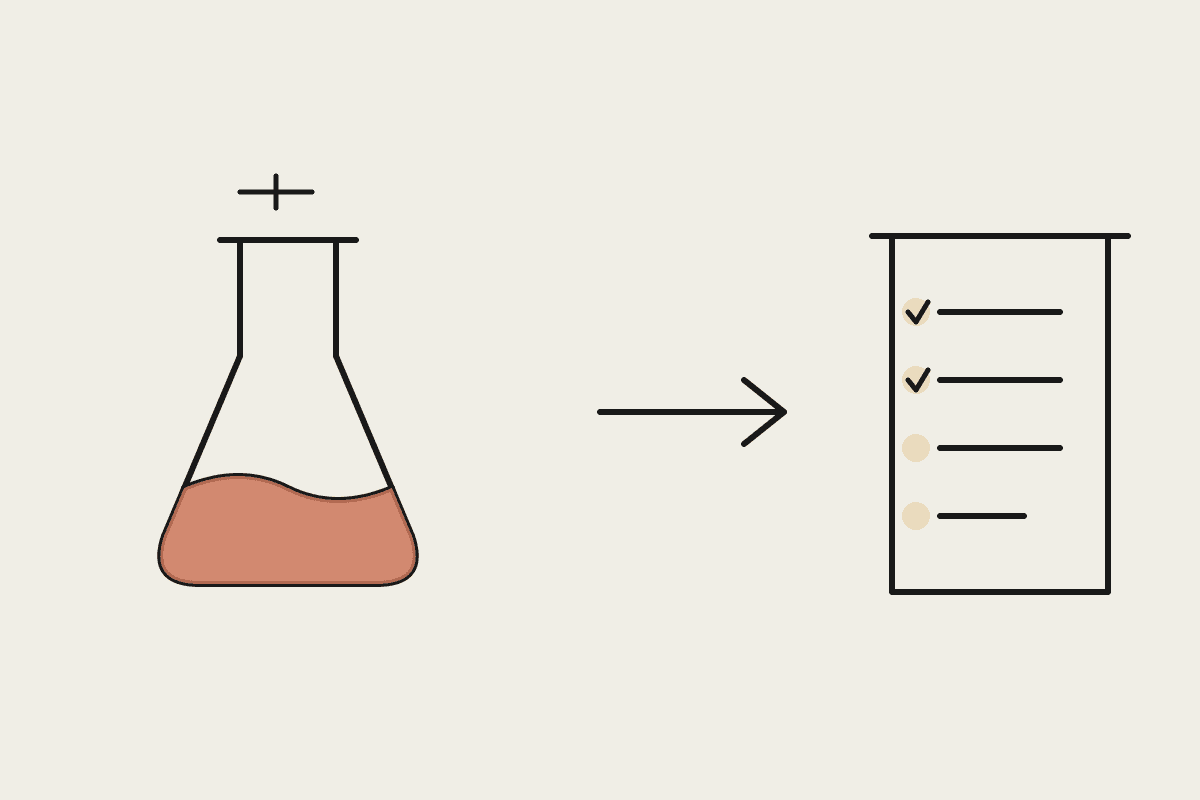
Claude's Research mode is built for a specific kind of question: the one that needs several sources checked against each other, not a single quick lookup. Point it at a narrow factual question and it's overkill. Point it at something genuinely open-ended, competitive landscape, regulatory change, market sizing, and it earns the extra time it takes.
It's a genuinely useful capability once you know which questions it suits, and a slow, expensive habit once it becomes the default answer to everything, including the things a plain search would have answered just as well.
Treat the mode selection itself as a five-second decision worth getting right, since the difference between the two options compounds across a team using either one daily.
What it does differently from a normal chat
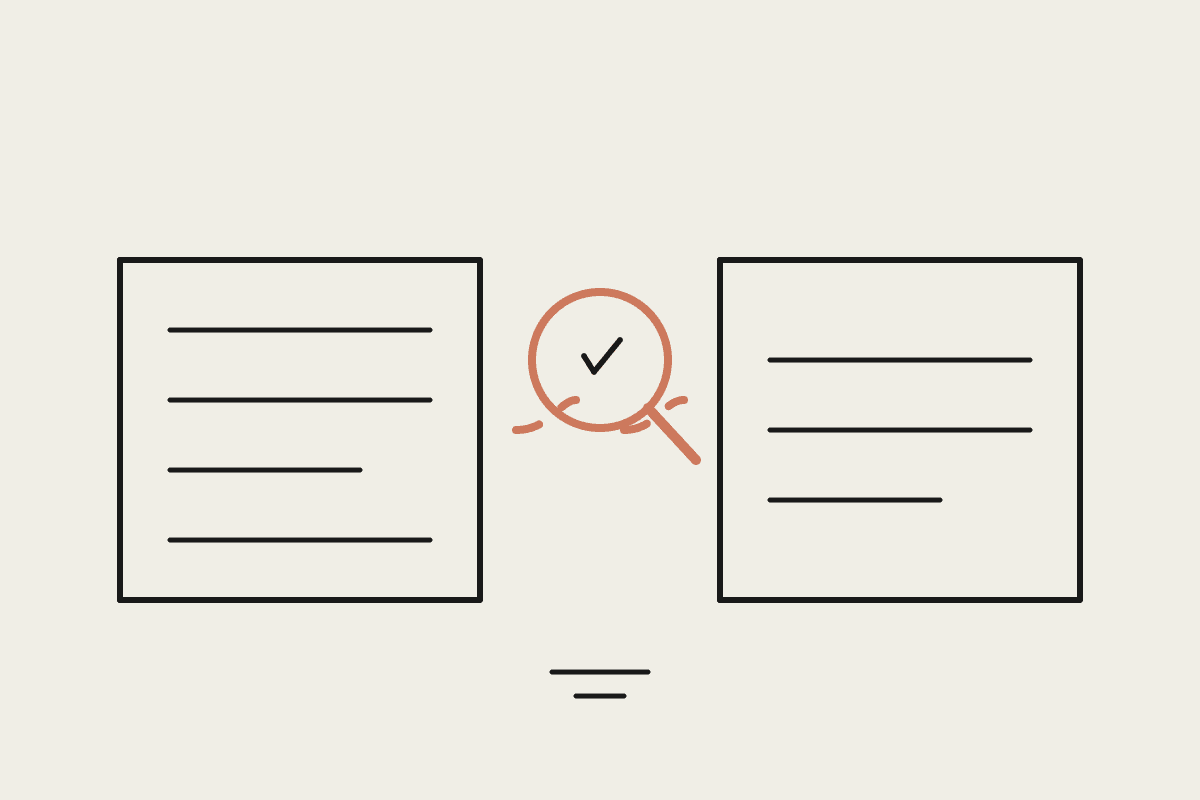
A standard Claude conversation answers from what it already knows plus whatever you've given it directly. Research mode goes further: it plans a sequence of searches, reads multiple sources, checks them against each other, and comes back with a synthesised answer that cites where each claim came from. That citation trail matters more than the synthesis itself for anyone who needs to defend the answer later, in a board pack or a client-facing recommendation.
Best for: open-ended questions needing multiple sources checked against each other
Not needed for: quick factual lookups you could answer in one search
Takes noticeably longer than a standard chat response, by design
Always spot-check the cited sources before using the answer in anything client-facing
Where it goes wrong: the rabbit hole problem
The failure mode with any deep-research tool, not just Claude's, is scope creep. A question that should take five minutes turns into forty because the tool keeps finding tangential threads worth chasing. The fix is a narrow, specific brief going in: state the exact question, the boundaries of what's relevant, and what decision the answer needs to support. A vague brief like "tell me about the competitive landscape" invites a rabbit hole. A specific one, "which three Australian competitors offer a comparable service under $5,000 and how do they price it," gets a usable answer faster.
A worked comparison
A Melbourne consultancy scoping a new service line used Research mode with a tightly scoped brief and got a usable competitive summary, five competitors, pricing bands, service gaps, in about 12 minutes. A colleague on the same team ran a vague, open brief on a different project and the tool took over 40 minutes chasing threads that weren't relevant to the actual decision. Same tool, same day, very different outcome, entirely down to how narrow the starting question was.
Checking the output before you rely on it
Citations aren't a guarantee of accuracy. Spot-check at least the two or three claims that matter most for your decision, especially anything with a specific number attached, a price, a market size, a percentage. Research mode is genuinely strong at gathering and synthesising, but the final accountability for a claim used in a client report or a board paper still sits with the person who signed off on it, not the tool that drafted it.
When a normal chat is actually the better choice
Not every question deserves Research mode. If you already know the answer is in one document you can paste in, or the question has a single clear answer a normal chat can give in seconds, using Research mode is slower for no benefit. The tool earns its keep specifically on questions where the honest answer requires checking several independent sources against each other and you don't already know which ones matter. Save it for genuinely open questions, not routine lookups.
Cost is worth factoring in too. Research mode uses meaningfully more compute than a standard response, which shows up in usage limits on some plans. A business running Research mode queries several times a day for genuinely open strategic questions, market entry decisions, competitor moves, is a reasonable use of that budget. Running it as a default habit for questions a normal chat could answer just as well burns through allowance for no real gain, and it's worth training a team on the difference early rather than after usage limits start biting.
If your team is using Research mode for anything that ends up in front of a client, building a two-minute source-check habit into the process is worth more than any prompt refinement.
Used deliberately, on the right kind of question, Research mode is one of the faster ways to get a defensible answer to something that would otherwise take an afternoon of manual searching. Used as a default habit for everything, it's an expensive way to get a slow answer to a question that didn't need it.