Anthropic just shipped an update to Claude Tag, its Slack integration, that changes how it decides when to jump into a conversation. It sounds like a small tweak. In practice it fixes the main reason teams stop using an AI Slack bot after the first fortnight.
The old problem: no memory of the room
Before this update, Claude Tag looked at each new message in isolation. A lightweight classifier made a single yes-or-no call: does this message need a response? Reading one message at a time, most messages correctly do not need Claude. But that also meant Claude missed the obvious cases.
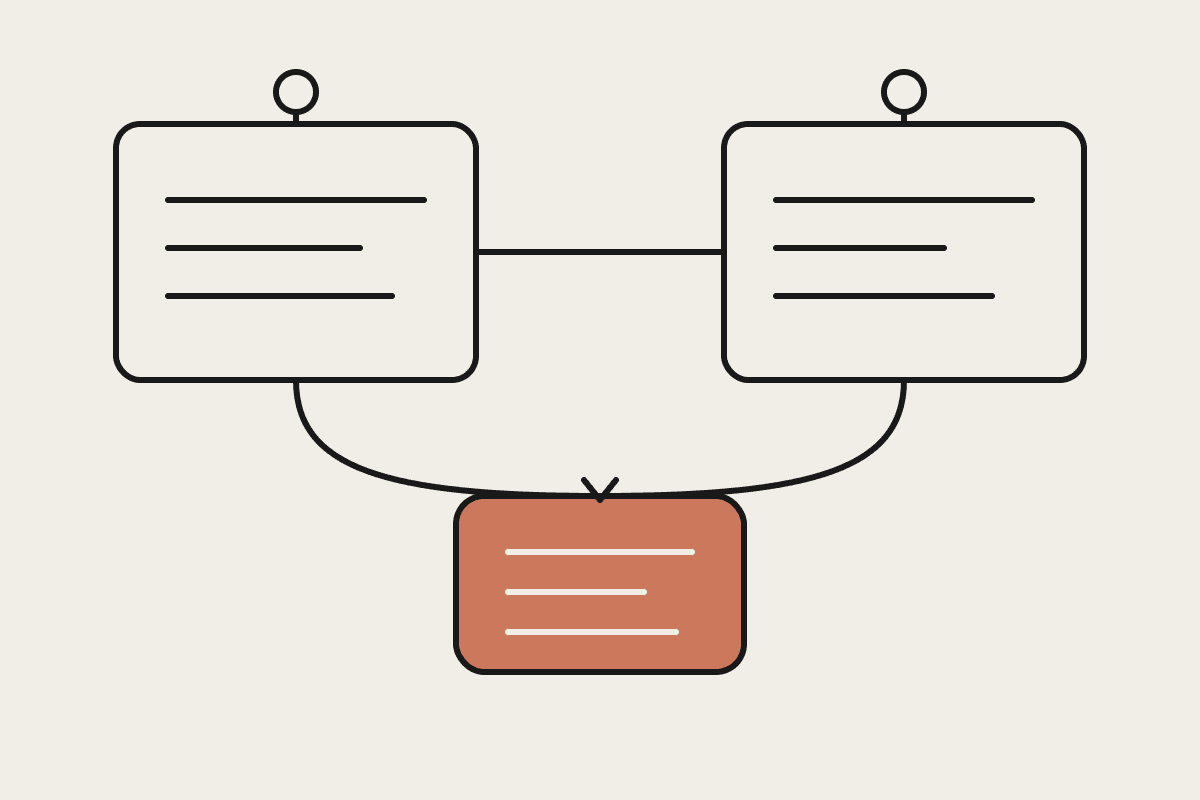
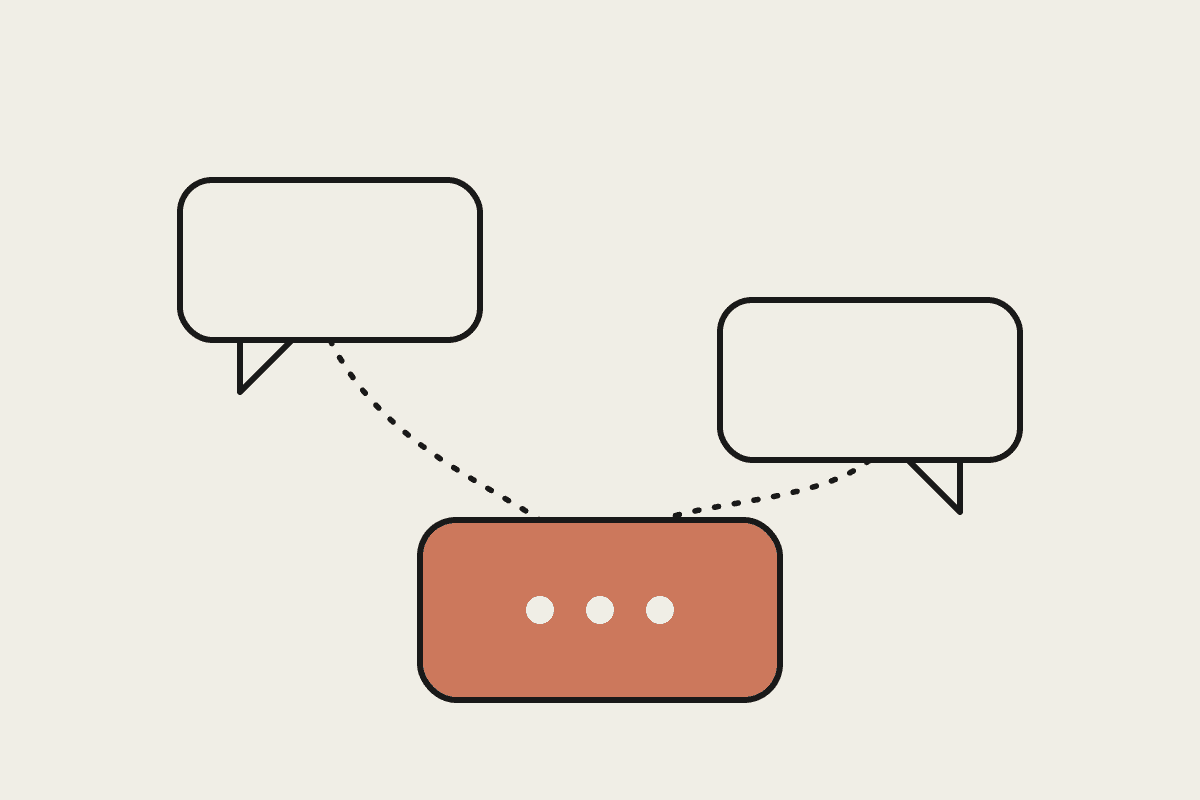
Anthropic's own example: two engineers are chasing the same bug from opposite ends of a channel. One has a theory, the other has the evidence. Neither message is addressed to Claude, and neither asks for anything directly. Read individually, the classifier is right to stay silent twice. Read together, there is a five-minute save sitting right there that a human would spot immediately.
What changed
Claude now reads context across the whole channel, plus its own memory and whatever standing instructions your team has given it, before deciding whether to speak up. Anthropic says this makes it roughly 30% better at knowing when to contribute and when not to. It ships at no extra cost, even though holding more context increases what Claude Tag processes per decision.
Why this matters for AU teams
Most Slack-based AI assistants fail for one of two reasons: too noisy (constant unhelpful chirps) or too quiet (never notices anything, so nobody bothers mentioning it either). The second failure mode is the more common one and the harder to fix, because it is invisible. You do not get an annoyed reaction, you just get silence, and the tool quietly stops earning its keep. A few practical implications of this update:
Fewer manual can-someone-check-this pings. If Claude connects a question in one thread to an answer three messages away in another, that is real triage time back.
Worth re-testing if you tried it before and found it too passive. The proactive-response logic has changed meaningfully since earlier releases.
No cost or usage-limit impact. The extra context does not count against your plan's spend or usage caps.
For a 10 to 15 person team running most of its coordination through Slack, even a modest cut in where-is-that-answer back-and-forth is worth real money. Assume 20 minutes a day per person hunting for context already somewhere in the channel: at a blended AU$60 an hour rate across a small team, that is roughly AU$1,000 to AU$1,500 a month in recovered time if Claude Tag closes even half that gap.
There is a second-order benefit that is easy to miss. A bot that only answers when directly mentioned trains your team to stop expecting help from it, so they stop mentioning it, and it withers. A bot that reliably notices a genuine save, without barging into every thread, does the opposite: people start trusting it to catch things, which is when an AI assistant actually changes how a team works rather than just sitting in the sidebar as a novelty.
How to re-test it properly
If you trialled Claude Tag months ago and shelved it, do not just switch it back on and hope. Give it a fair run:
Point it at one or two channels where real decisions happen, not a quiet test channel.
Write clear standing instructions on when it should and should not speak, so its new context-awareness has guardrails.
Give it two working weeks, then ask the team where it saved time and where it got in the way.
What not to expect
A smarter trigger does not turn Claude Tag into a mind reader. It still depends on the instructions you give it and the quality of what is in the channel; point it at a noisy channel with no guidance and it will still make calls you disagree with. Treat the 30% improvement as what it is, a meaningful step, not a finished product, and give it the standing instructions it needs to be useful in your specific team.
The takeaway
This is not a headline feature. It is Anthropic fixing the unglamorous part of an AI Slack assistant: knowing when to be useful without being told. If Slack is where your team's real decisions happen, it is worth seeing whether Claude Tag now fits that workflow properly.
If you want to see whether Claude Tag makes sense for how your team actually works, book a session and we will set up a fair trial.