Most small and mid-sized Australian businesses evaluating an AI tool for the first time ask the same handful of questions in the first five minutes, and almost none of them get a straight answer: does it train on our data, who can see what we upload, and what happens if something goes wrong. This is a plain-English pass at Claude's actual safety and privacy posture, written for the business owner deciding whether to trust it with customer records, financials, or internal documents, not for the security team writing the procurement questionnaire.
What Anthropic actually commits to, without the marketing gloss
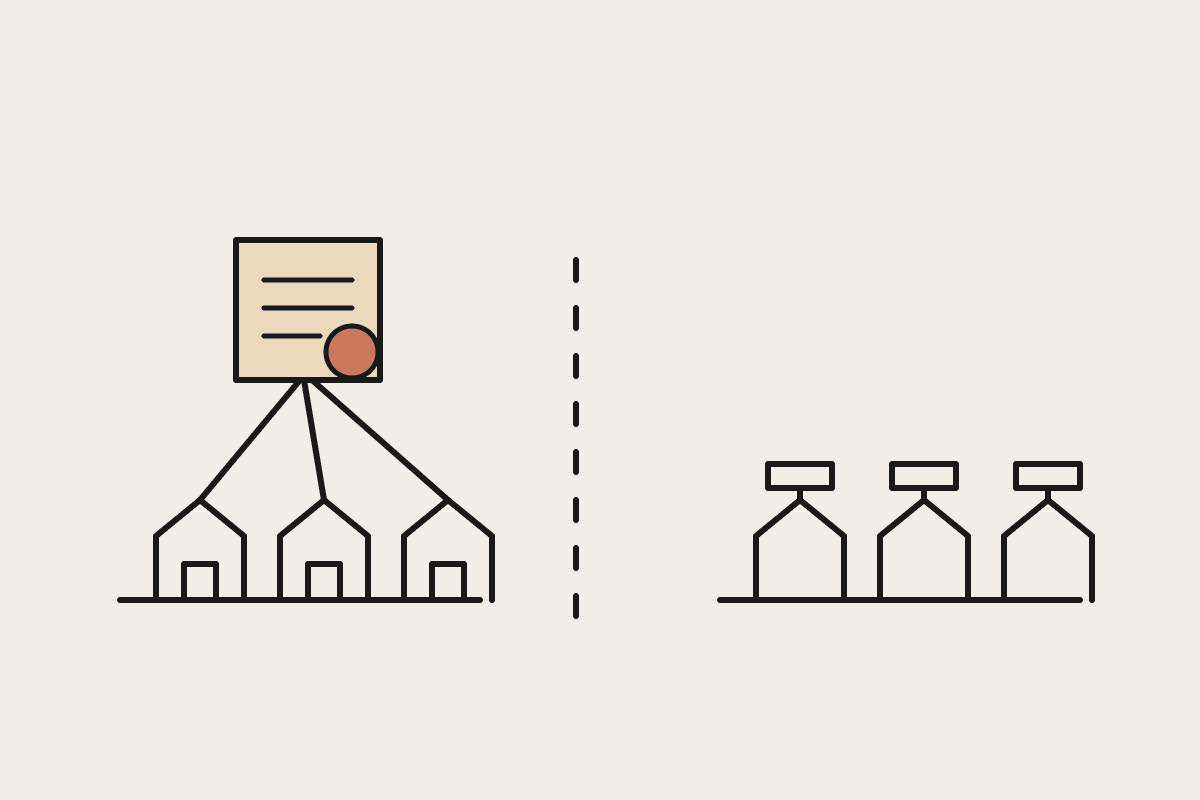
Anthropic does not train its models on conversations or files submitted through Claude's business products by default, and that distinction, business products versus the free consumer app, is the first thing worth checking for any AI tool your business is considering, because plenty of free-tier consumer AI products do use your input to train future models unless you dig into settings and opt out. Claude Cowork and the Claude API for business use sit under a data-use agreement that keeps your content out of training, which is a meaningfully different posture from a lot of what's marketed to SMBs as "free AI."
Business-tier conversations and files are not used to train future Claude models by default
Data is encrypted in transit and at rest, standard practice for any credible SaaS vendor handling business data
Anthropic publishes a Trust Center with current certifications and audit status, worth checking directly rather than trusting a summary
Access controls and admin logging exist at the workspace level for business accounts, letting an owner see who connected what
Where the honest answer is "it depends," not "nowhere"
A Sydney bookkeeping practice we worked with wanted a single yes-or-no answer on whether client financial data could ever leave Australian jurisdiction, and the honest answer wasn't a clean yes or no: it depends on which Claude product, which region setting, and which connected tool is actually handling the data at each step, because a Cowork session that reads a Xero file and drafts a Gmail reply touches three different systems with three different data flows, not one. We walked them through checking each connector's own data residency and retention terms rather than assuming Claude's posture covers the whole chain, and that per-connector check became a standing item on their AI vendor review, worth roughly $6,500 in avoided rework the year prior when a different vendor's assumption turned out wrong.
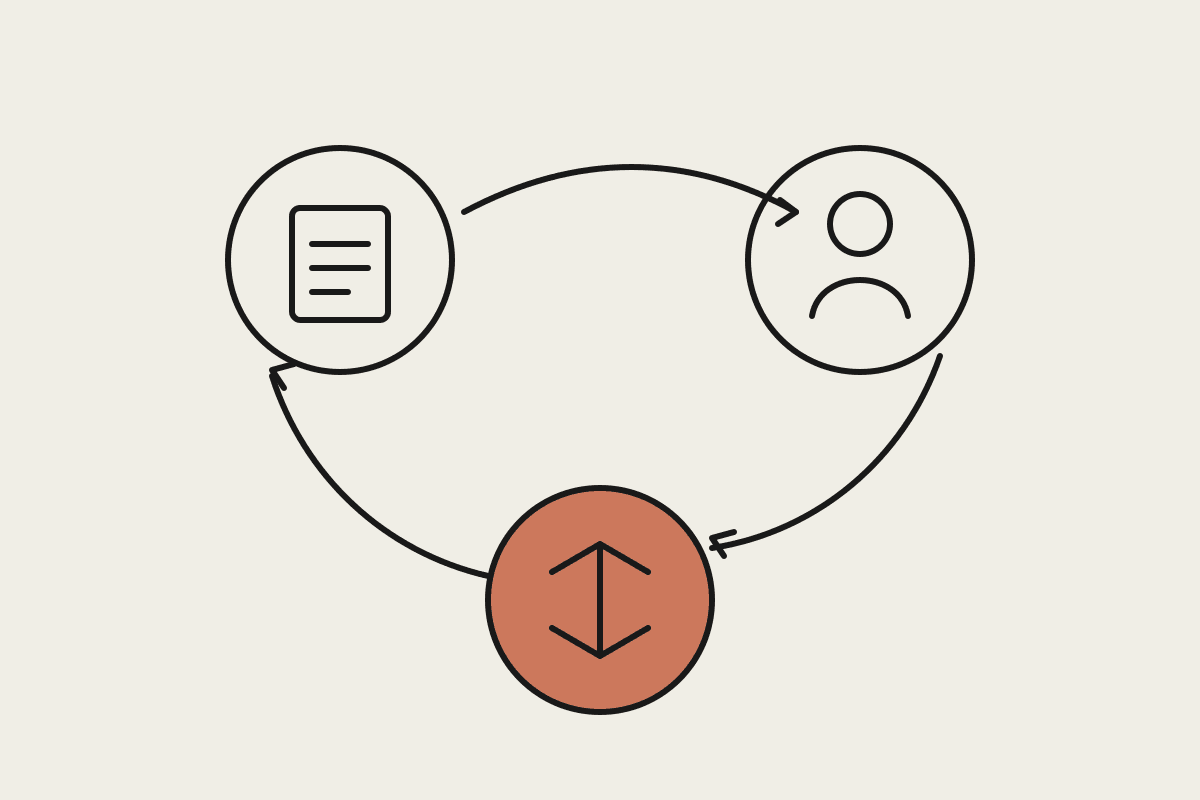
The practical habit that actually protects a business here isn't reading Anthropic's policy once and filing it away, it's checking the current Trust Center page before any material change in how the business uses Claude, because product terms and available regions do shift as the platform matures, and the settings that were correct six months ago aren't guaranteed to still be the defaults today.
What Claude does not promise, and why that matters
A credible privacy posture includes clear limits, not blanket assurances, and Claude's documentation is reasonably direct about where responsibility still sits with the business: connecting a third-party tool via MCP means that tool's own data practices apply too, Claude doesn't retroactively secure a poorly configured connector, and no AI vendor can promise zero risk of a human reviewer occasionally auditing a support ticket that includes conversation content, though Anthropic is specific about when and why that can happen. Businesses under APRA supervision, or handling data covered by the Privacy Act 1988, still carry their own compliance obligations regardless of what any AI vendor's terms say; a vendor's posture is an input to your risk assessment, not a substitute for it.
What happens if Anthropic finds a real safety issue
Anthropic runs its own internal red-teaming and publishes model cards describing known limitations before each release, and if a genuine safety issue is found post-release, the pattern has been a public writeup and a model update, not silence. That's a reasonable thing to check for any AI vendor, not just Claude: does the company disclose problems, or only ever put out good news. A business relying on Claude for anything customer-facing should read at least one published model card to see what that disclosure actually looks like in practice, rather than taking a vendor's safety claims on faith.
None of this replaces your own judgement about what data should touch an AI tool in the first place. A Melbourne allied health practice we advised kept client clinical notes out of any Claude workflow entirely, not because Claude's posture was inadequate, but because the practice judged the sensitivity too high to delegate the decision to a vendor policy at all, however well-documented. That's a legitimate call for a business to make, and the right answer differs by industry and by what the data actually is.
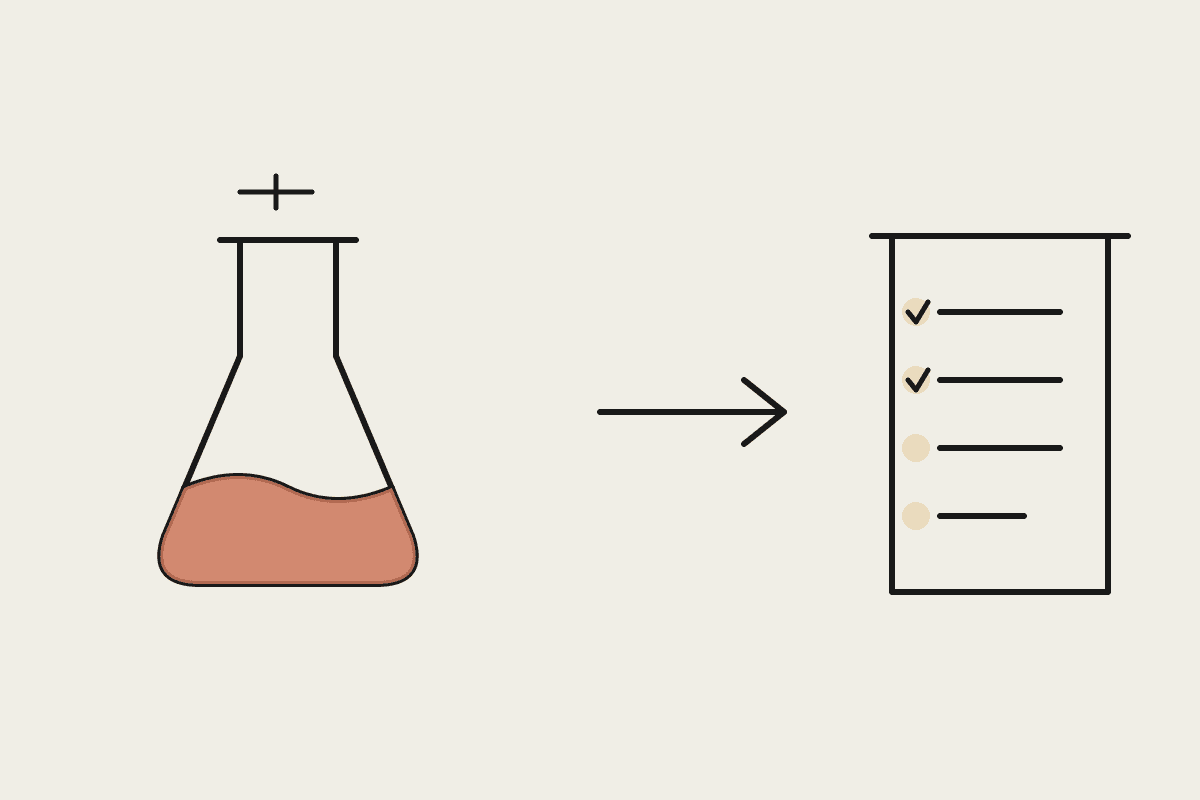
A short checklist before you connect anything sensitive
Confirm which Claude product tier you're actually on, business terms differ meaningfully from the free consumer app
Check the current Trust Center page rather than relying on a summary written months ago
Review each individual connector's data terms before linking it, not just Claude's own policy
Decide explicitly what stays out of any AI workflow for now, and write that boundary down somewhere the whole team can see it
Automata AI runs this exact walkthrough with Australian SMBs before any Cowork or Claude rollout, translating the policy documents into a specific answer for your specific stack. Get in touch via /contact if you want a straight answer before you connect anything. We'll walk your specific connector list, not a generic policy summary, and tell you plainly where the actual boundaries sit.