On most residential and commercial builds across Sydney, Melbourne and Brisbane, the defect list and the handover pack still get built the same way they did fifteen years ago: a site supervisor walks the job with a phone, takes photos, dictates notes into a voice memo between trades, and an admin person spends the final week before practical completion trying to turn all of that into something a client or superintendent will actually accept. On a $2.5 million multi-residential job, that final week is exactly when things go wrong, because whoever compiles the handover pack usually was not on site for half the defects being described.
Where the paperwork actually breaks down
The failure point is rarely the defects themselves. It is the gap between what gets found on site and what makes it into a usable record. A supervisor might flag forty items across a walk-through, split across voice notes, photos with no location tag, and half-finished entries in a site diary. By the time that gets typed up, entries get merged, locations get mixed up between units, and trades end up disputing whether an item was ever raised at all.
The handover pack itself is worse. A practical completion submission on a mid-size Australian job usually needs the defect register alongside compliance certificates, warranties, as-built drawings and operation and maintenance manuals, all cross-referenced against the original scope. Builders routinely leave this compilation to the final week of the program, which is also the week with the least slack in the schedule.
What Claude actually does with a defect list
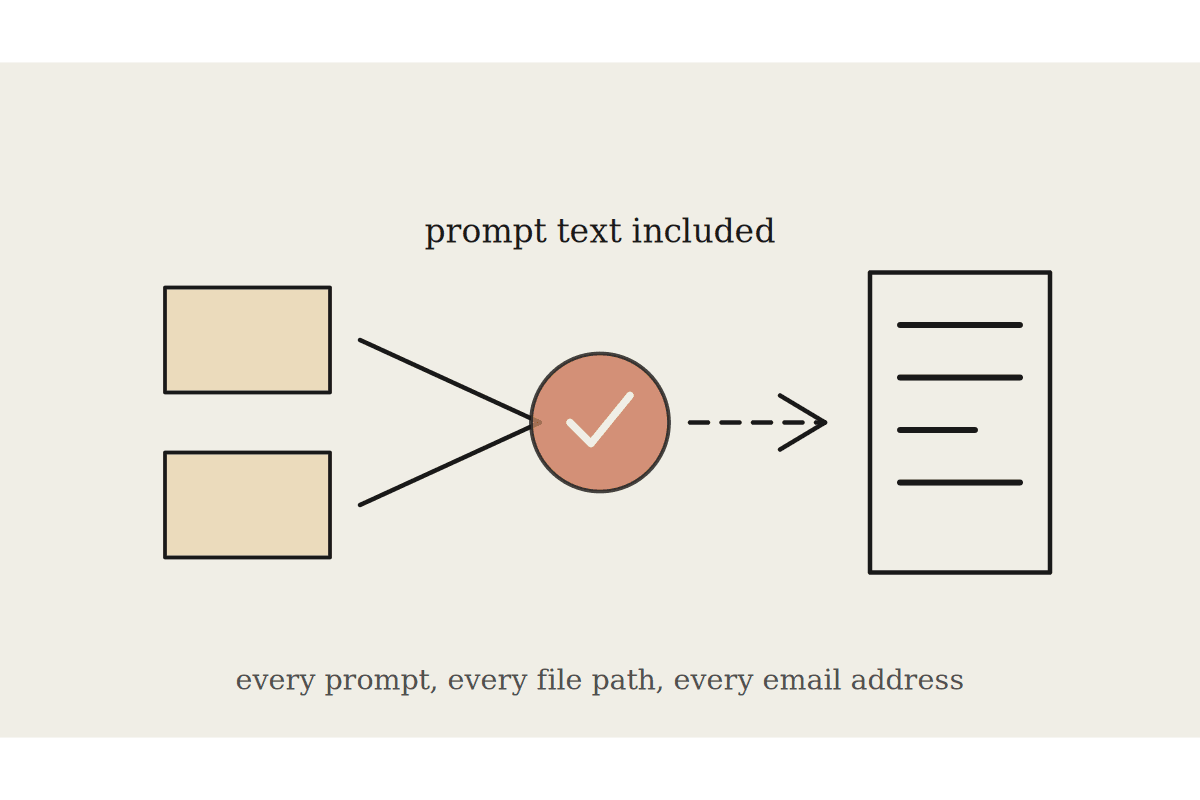
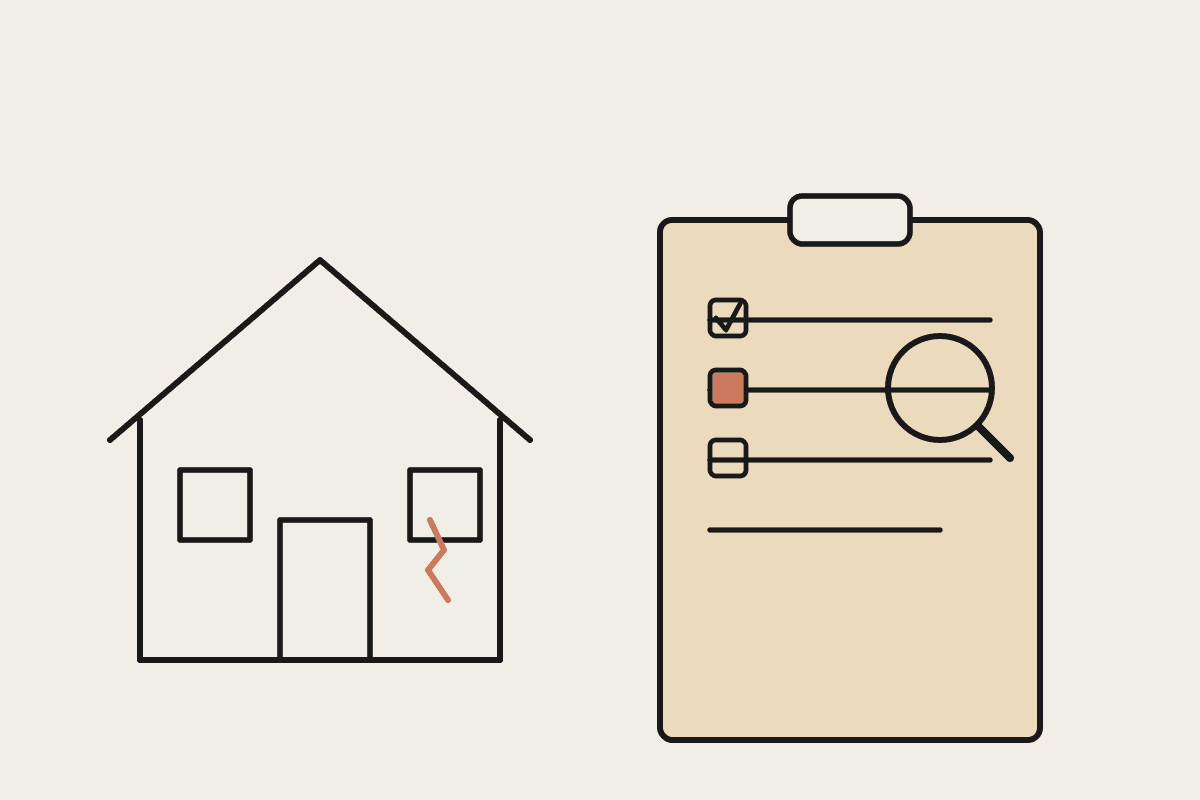
Feed Claude the raw inputs, the site diary entries, the voice memo transcripts, the geotagged photos and the original scope of works, and it will turn that into a structured, trade-coded defect register in minutes rather than the day or two admin currently spends on it. It reads an unstructured note like 'crack near window unit 4, second floor, looks structural' and turns it into a line item with unit, trade, location, severity flag and a cross-reference back to the relevant scope clause.
In practice, the tasks that move to Claude look like this:
Transcribing voice memos and site diary notes into itemised entries with unit, trade, location and severity attached.
Cross-referencing each item against the original scope and specifications, so genuine defects are separated from scope variations before anyone argues about it.
Assembling a client-ready handover pack: defect register, compliance certificates, warranties and O&M manuals in one indexed document.
Drafting, not sending, close-out emails to subcontractors that reference the specific defect, photo and due date.
Keeping a timestamped audit trail of every entry: who raised it, and when it was closed out.
That last point matters more than it sounds. Every draft close-out email or client communication still goes through a person before it leaves the building. Claude prepares the material; the site supervisor or project manager reviews it and hits send. Nothing goes to a subcontractor, an owner or a client without a human in the loop.
A worked example: what this is worth on one job
A Sydney-based builder running six live jobs at once was spending close to fourteen hours of admin time per job compiling the defect list and handover pack near practical completion. At a fully loaded admin rate of around $58 an hour, that is roughly $812 per job, or close to $4,900 a month in pure compilation time across six sites, before anyone counts the cost of a slipped completion date.
Using Claude to produce the first-pass register and pack cut that to under three hours of review time per job, a saving of around $3,200 a month in admin time alone. That figure does not include the cost of avoiding a slip: liquidated damages clauses on head contracts commonly run to $2,000 a day, and a handover delayed by even a week because the paperwork was not ready is the more expensive failure mode by far.
There is a second, quieter benefit. A defect register with a clear timestamp against every entry, and a name attached to who raised it and who closed it out, is a much stronger position if a dispute ends up in front of an owners corporation, a client's lawyers, or the relevant state building authority.
Keeping the compliance trail intact
Under the National Construction Code and state-based practitioner regimes, including the Design and Building Practitioners Act 2020 in NSW, registered practitioners need a defensible record tying their declarations to what was actually built and inspected. The Victorian Building Authority expects a similar standard of documentation discipline, and Queensland's QBCC rules on defective work carry their own notice periods and evidence requirements. A defect list scattered across someone's phone and a folder of unlabelled photos does not hold up well under any of these regimes.
Claude does not replace the practitioner's sign-off and it is not a substitute for the inspection itself. What it does is make sure the paper trail matches what happened on site, with a name, a photo and a timestamp attached to every line, which is the part that is genuinely time-consuming to do properly by hand. Any personal information captured in a defect entry, an owner's name or contact details tied to a specific unit, is handled under the same Privacy Act obligations that already apply to the builder's existing records; using Claude for this compilation step does not change that obligation.
Getting it running without slowing the site down
The builders who have adopted this well start with one live job, not the whole portfolio. Feed Claude a week of site diary entries, voice notes and photos from that job, and compare the draft register against what the supervisor would have produced by hand. If the practitioners signing off on that job are comfortable with the accuracy, extend it to the rest of the pipeline. The one thing worth protecting from day one is the review step: Claude drafts, a person on site checks it against what they actually saw, and only then does it go out.
If defect lists and handover packs are eating a disproportionate share of your admin time near every practical completion date, it is worth a short conversation about where Claude fits into your existing process. Book a 30-minute chat and we will look at one live job together.