The RACGP Standards for General Practices, fifth edition, run to more than 200 indicators, and every accredited practice in Australia works through them on a three-year cycle with an AGPAL or equivalent surveyor visit at the end. Most practice managers know the feeling of the final six weeks before that visit: folders of evidence to track down, policies last reviewed under a different practice manager, and a clinical team who need reminding, again, to finish the mandatory training modules. Claude will not sit the accreditation visit for you, but it can take a real chunk of the document-chasing and drafting off a practice manager's desk before the surveyor arrives.
What Accreditation Prep Actually Costs a Practice
Talk to a practice manager in Sydney or Melbourne who has been through a full RACGP cycle and the same numbers come up. A mid-sized practice with six GPs typically spends 60 to 90 hours of practice manager time assembling evidence in the eight weeks before a survey, on top of locum cover for any clinical sessions missed to attend prep meetings. At a loaded admin rate of roughly $55 an hour plus locum cover, the direct cost of a single accreditation cycle can run past $12,000 before the surveyor has walked in the door. That figure does not include the cost of a conditional or deferred outcome, which usually means a follow-up visit and another round of the same work within twelve months, often adding a further $4,000 to $6,000 in admin and locum time.
Clinical policies, such as infection control, cold chain monitoring and recall systems, reviewed more than 12 months ago with no documented sign-off from the practice owner
Incident register entries that stop partway through the cycle, or near-misses that were discussed verbally in a team meeting but never logged
Informed consent and health information handling documentation that pre-dates current Privacy Act obligations for practices
Staff training records, including CPR, immunisation status and infection control modules, missing for locums or recent starters
Evidence spread across three or four different drives and folders with no single index a surveyor can actually follow on the day
Where Claude Fits in the Prep Cycle
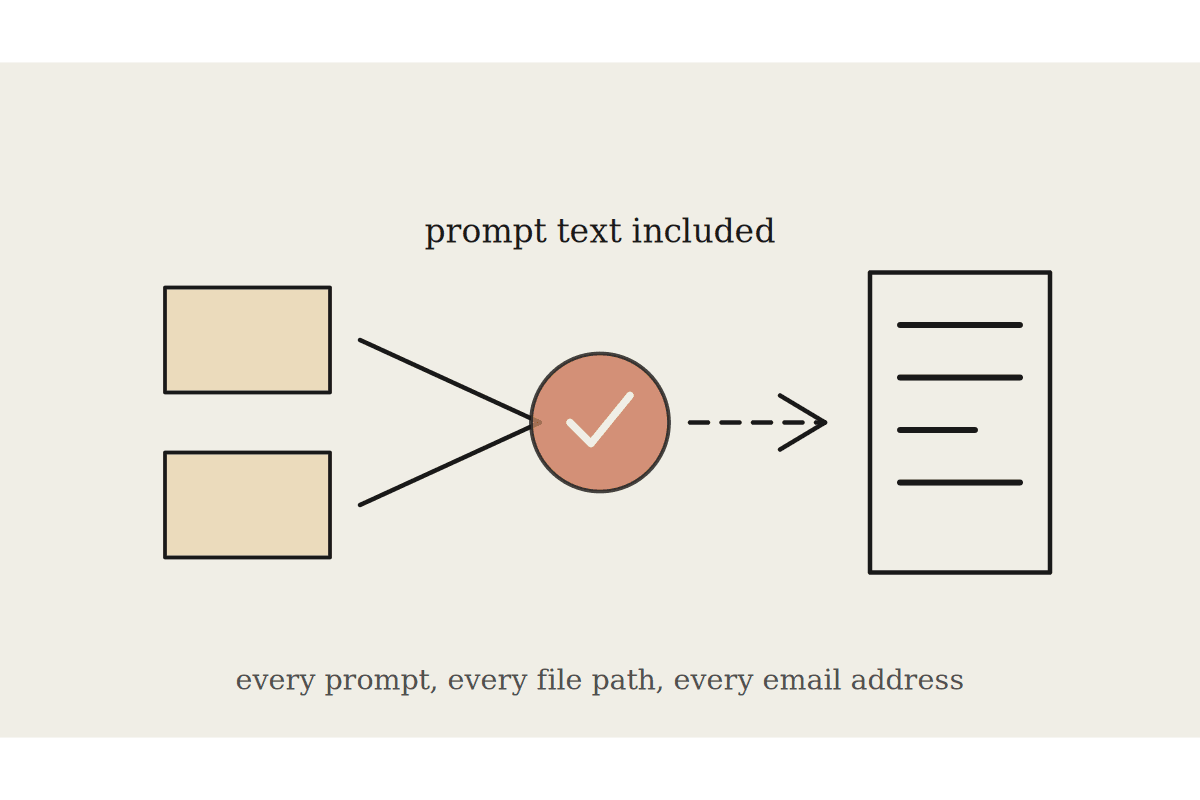
Most accreditation prep is not clinical judgement, it is document assembly, gap-finding and drafting against a fixed checklist. That is the kind of work Claude handles well once a practice manager feeds it the current RACGP indicator list alongside the practice's existing policy folder. Claude can compare what the practice already has against what a specific indicator requires, draft a first-pass update to the missing or outdated policy in the practice's own voice, and build a simple evidence tracker that maps each indicator to a file, an owner and a review date, so the whole thing does not get rebuilt from scratch in the final fortnight.
Reviewing existing policies against current RACGP Standards indicators and flagging which ones are overdue for review or missing a required clause
Drafting first-pass updates to policies such as infection control, recall and results management, and cold chain monitoring, for the practice owner or GP to check and sign off
Building a one-page evidence tracker, indicator by indicator, with a file location, an owner and a due date, kept live through the cycle rather than assembled the week before
Turning verbal incident notes into properly logged incident register entries the same day, so nothing is reconstructed from memory before a survey
Drafting induction and training-record checklists for new clinical and admin staff, so the evidence exists from day one instead of being chased at survey time
What Claude Should Not Touch
None of this replaces the GP owner or practice manager's judgement, and it should not try to. Claude does not decide whether a clinical incident meets the threshold for notification, does not interpret AHPRA or RACGP guidance where a genuine grey area exists, and should never be the last set of eyes on a policy before it goes to a surveyor. The split that works for most Brisbane and regional practices we have spoken with is straightforward: Claude drafts and organises, the practice manager checks completeness against the indicator, and the GP owner signs off on anything with a clinical or legal implication. That keeps the time saving without moving accountability onto a tool that cannot be held accountable for a patient safety decision.
If your next RACGP cycle is closer than it feels, a short working session is usually enough to map which indicators are already covered, which ones need a policy refresh, and where Claude can take the first pass. Book a session and bring your current policy folder. We will tell you plainly whether the gap is a document problem Claude can help close, or something that needs a conversation with your accreditation body first.