Most guidance on where AI costs sit in a business's accounts is written for subscriptions: Claude, ChatGPT, an API bill, expensed as it is incurred, same as any SaaS tool. That guidance does not answer a different, increasingly common question. When a business spends real money building a custom AI agent, an MCP server, an internal tool that will run for years, is that an expense or an asset, and if it is an asset, how does an accountant depreciate it?
Why this is a different question to the subscription one
A monthly Claude subscription is unambiguously an operating expense, it buys access for a period and nothing survives past that period if the business stops paying. A custom-built agent that automates a recurring workflow is different in kind. The business has paid for something that keeps producing value after the invoice is settled: working code, a configured integration, a system that will run next month and next year without further build spend, only maintenance.
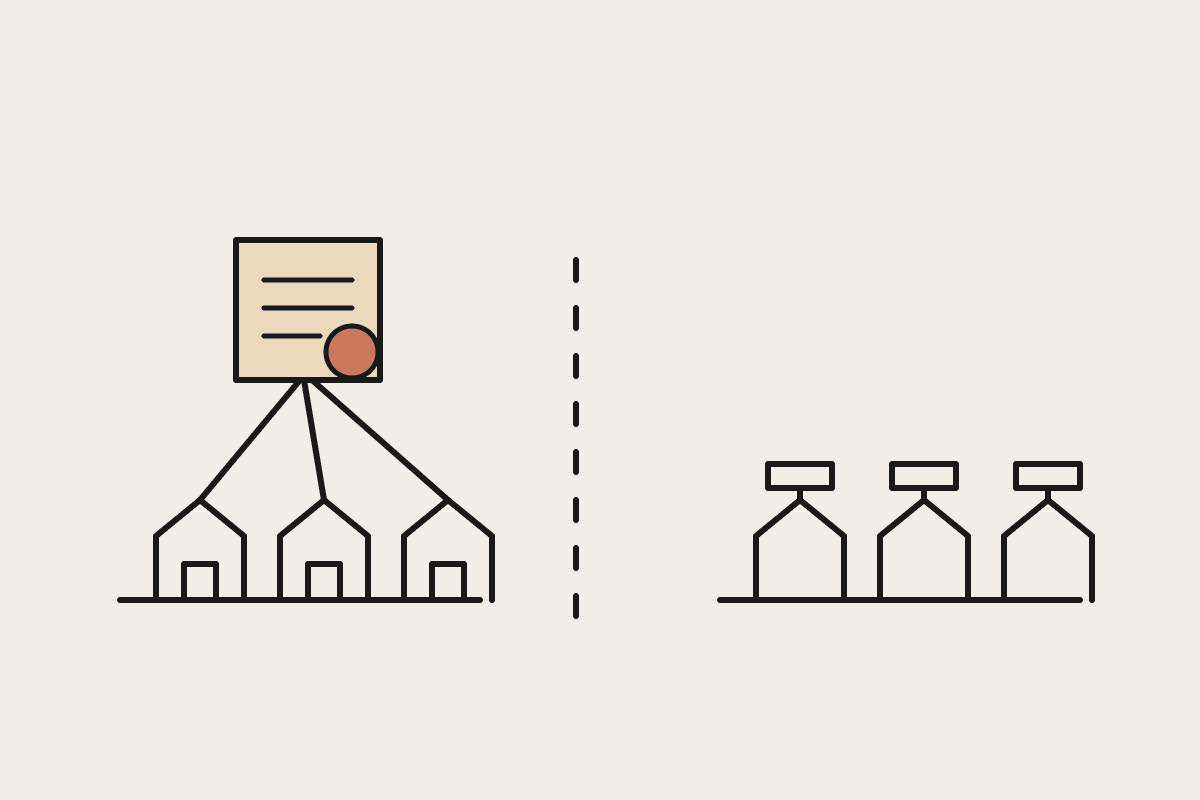
Distinguishing a capitalisable AI build, custom software with enduring value, from an expensed AI subscription
Applying the same intangible asset recognition test the ATO already applies to internally developed software
Choosing a depreciation life that reflects how long the build will actually stay useful before it needs rebuilding
Handling the maintenance and iteration spend that follows a build, which is usually expensed, not added to the asset
How the existing rules actually apply
Australian tax law already has a framework for this, it is the same one that applies to internally developed software more broadly. Development costs for a system with an enduring benefit can be capitalised and depreciated over its effective life, while routine maintenance and minor iteration is expensed as incurred. The judgement call is whether a specific AI build meets that enduring-benefit test, and how long its effective life genuinely is, given how quickly the underlying models and tooling are moving.
That last point matters more for AI builds than for most software. A custom agent built around a specific model's capabilities in 2026 may need a genuine rebuild, not just an update, within two or three years as models and tooling improve. An accountant depreciating an AI build over a five or seven year life, the way older software might have been treated, risks materially overstating the asset's remaining value on the balance sheet.
Why the effective-life question is the hard part
Determining whether an intangible asset exists is the easier half of this call. The harder half is choosing a defensible effective life for something built on technology that is genuinely moving faster than most software categories accountants have depreciated before. A three-year life feels aggressive next to how software has traditionally been treated, but treating a 2026-built AI agent as if it will still be fit for purpose in 2033 ignores how quickly the underlying models it depends on are likely to change.
Some firms are landing on a two to four year effective life for custom AI builds specifically, shorter than the five to ten years often applied to more traditional internally developed software, precisely because the pace of change in the underlying technology is a genuine, quantifiable risk to the asset's useful life, not just a hedge.
A worked example
A business spends $45,000 building a custom AI agent that automates its accounts payable workflow, expected to remain broadly fit for purpose for three years before a rebuild is likely. Treated as a capitalised intangible asset with a three-year effective life, that is $15,000 a year in depreciation, a very different P&L picture to expensing the full $45,000 in the year it was built, and a materially different one again to treating it the way a $200 a month subscription would be treated.
What accountants are telling clients
Firms advising clients on this in 2026 are applying the enduring-benefit test conservatively, capitalising genuine custom builds with real ongoing utility, expensing everything else, subscriptions, prompt engineering time, minor configuration work, as incurred. This is accounting treatment guidance, not a substitute for advice from a client's own registered tax agent or accountant, who needs to apply it to the client's specific facts.
Where this fits Automata's own build work
When Automata scopes a custom agent or MCP server build, we provide the cost breakdown a client's accountant needs to make this call themselves, build cost separate from ongoing subscription and maintenance cost, itemised clearly enough to support whatever treatment the client's accountant ultimately decides is right.
If your business has built or is considering building custom AI tooling and wants that breakdown, book a session at /contact and bring your accountant into the conversation early, not after the invoice arrives.