Knowing your actual cash position, not the accounting-software balance that includes uncleared transactions and doesn't reflect what's genuinely available, is one of the most basic and most commonly under-served needs in a small business, because pulling it together properly across a bank feed, uncleared payments, and upcoming scheduled outgoings takes real manual effort every single morning if done by hand.
Why the raw bank balance isn't the actual answer
Most business owners already do a rough version of this netting exercise in their head, mentally subtracting a couple of known upcoming bills from the balance they see, but that mental math gets less reliable the more accounts, the more suppliers, and the more customers a business has, which is exactly the point at which it stops being a five-second glance and starts being a genuine daily task worth automating properly rather than trusting to memory.
A bank balance showing $85,000 means very little on its own if $30,000 of scheduled supplier payments clear tomorrow and a further $12,000 of customer payments haven't landed yet despite being due this week; the number a business owner actually needs is a genuinely usable cash position, current balance adjusted for what's about to move in both directions, not the raw account figure a banking app shows at a glance.
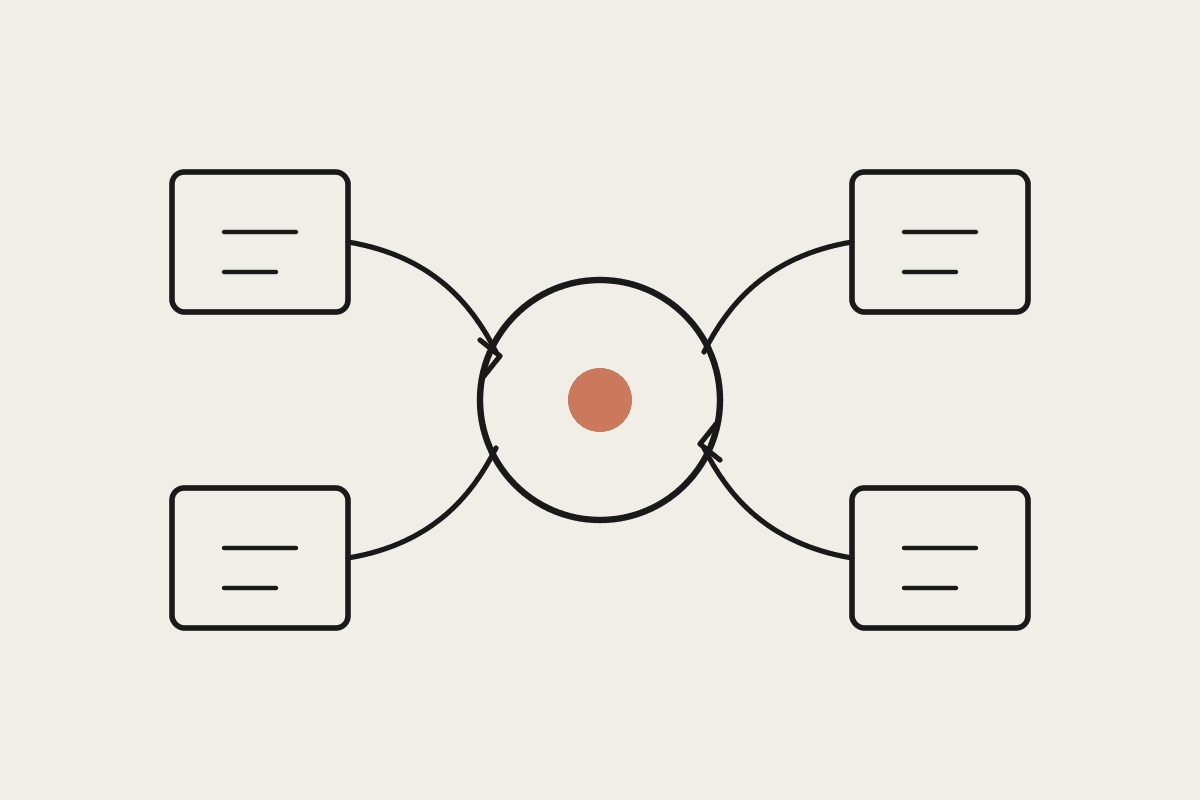
Current bank balance across every business account, pulled fresh each morning
Scheduled and near-certain outgoing payments due in the next seven days
Expected incoming payments based on invoice due dates and historical payment patterns
A single, clear "genuinely available" figure, not just a list of raw numbers to mentally net out
Building a figure the owner actually trusts
The credibility of an automated cash position update lives or dies on how well it handles the genuinely uncertain items, an invoice that's due but from a customer who reliably pays two weeks late, for instance, and the setups that earn trust flag uncertain items separately from confirmed ones rather than presenting one blended number that quietly assumes every invoice pays exactly on time, an assumption that rarely holds in practice and erodes trust in the whole update the first time it's proven wrong.
A Brisbane landscaping supplies business had been checking cash position by manually opening the banking app and mentally subtracting known upcoming supplier payments each morning, a habit-based approach that occasionally missed a payment the owner had simply forgotten was due that week. Building an automated daily cash position update that explicitly separated confirmed outgoings from likely-but-uncertain incoming payments gave the owner a genuinely more accurate number each morning, and avoided a near-miss the previous approach had produced twice in the prior year, where a forgotten supplier payment nearly cleared against a balance the owner had believed was higher than it actually was. The owner put the value of that avoided risk, plus the ten minutes recovered each morning, at a conservative $4,500 a year.
What a genuinely late-paying customer does to the forecast
A business with one or two customers who reliably pay two or three weeks past their stated due date needs the update to reflect that actual historical pattern, not the invoice's nominal due date, since treating every invoice as certain-to-arrive-on-time produces a rosier picture than reality and undermines exactly the trust the update is meant to build. Pulling each major customer's actual average payment delay from historical data, and weighting the forecast accordingly, is a small addition that meaningfully improves how much an owner can actually rely on the number.
This matters most in the weeks around quarterly BAS or superannuation payment deadlines, when a business genuinely needs to know whether expected incoming payments will land before a large, fixed outgoing is due, and an overly optimistic cash position update at exactly that moment is worse than no update at all.
Handling multiple accounts and entities cleanly
A business running more than one entity or bank account needs the update to show both a consolidated figure and each account broken out separately, since a healthy consolidated number can mask one account running dangerously low while another sits comfortably high, a distinction that matters the moment a payment needs to come from a specific account rather than the business as a whole.
What this isn't
This is a daily operational snapshot, distinct from a full cash flow forecast projecting weeks or months ahead; the daily update answers "what do I actually have today," a forecast answers a longer-range question this doesn't attempt to cover.
Automata AI builds daily cash position updates for Australian small businesses tired of manually netting out their bank balance every morning. Get in touch via /contact and we'll build the update around your actual accounts and payment patterns.