A business newsletter dies the same way most content habits do: it starts strong for two or three issues, then the person responsible runs out of things to say, or runs out of time to say them, and the gap between issues gets longer until it quietly stops. The fix is writing the newsletter from what already happened during the week, not from a blank page and a deadline.
The problem with writing from scratch
Sitting down to write a newsletter with no source material is slow because you're doing recall and composition at once, trying to remember what happened worth sharing while also finding the words to say it well. Most of that friction disappears if the raw material is already gathered before the writing starts.
Gathering the week's material
Completed projects or jobs worth mentioning, with a client's permission where relevant
Any team or business news, a new hire, an award, a milestone
A useful tip or insight that came up naturally in client conversations that week
Anything genuinely newsworthy in your industry that you have a real opinion on
The Cowork workflow
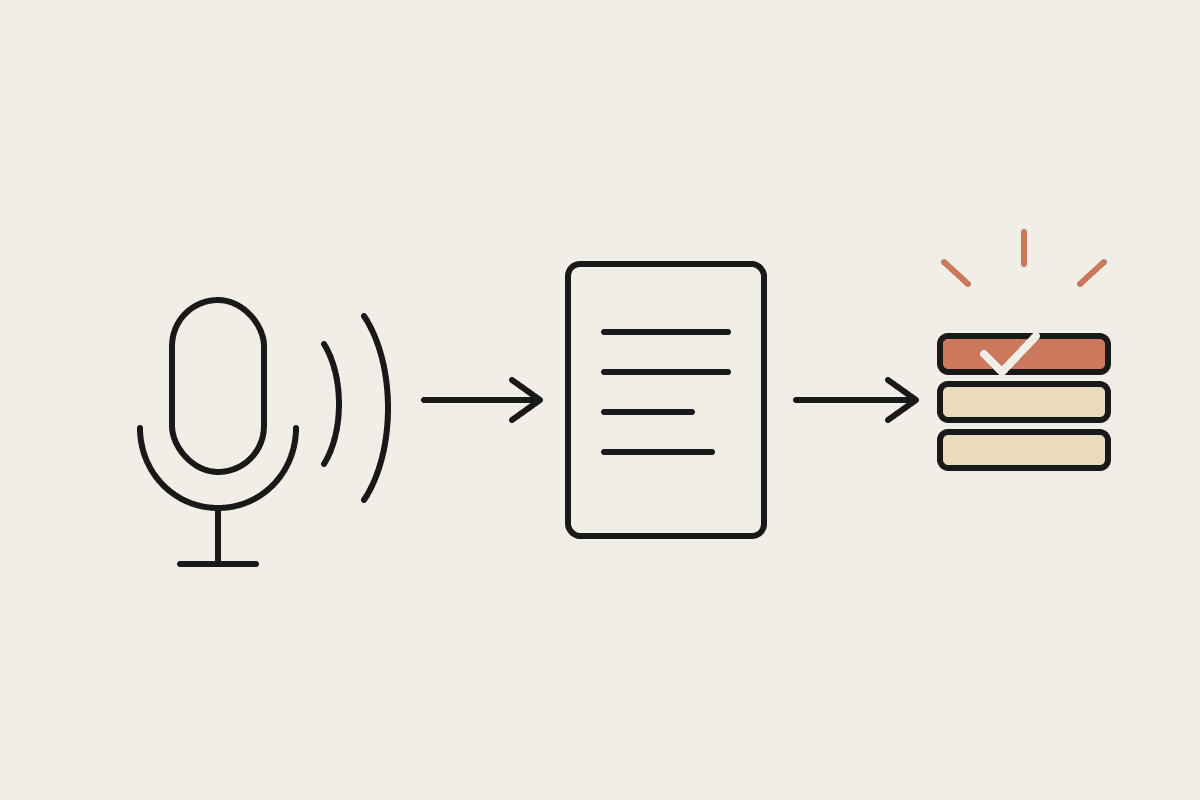
A weekly scheduled task pulls from your CRM notes, completed job records, or a simple running list you update as things happen, and drafts a newsletter structured around three or four of those items, in your actual voice, pulled from past newsletters as a style reference. The draft lands for review on a fixed day, giving you a proper edit pass rather than a blank-page panic the morning it's due to go out.
A worked example
A Adelaide accounting firm's newsletter had lapsed to roughly one issue a quarter, well short of their original monthly goal, because nobody had time to write it from scratch. Drafting from a running list the practice manager updates in five minutes most Fridays, plus any relevant industry news, restored a reliable monthly cadence within six weeks, and open rates on the restarted newsletter came in noticeably higher than the old sporadic version, likely because subscribers hadn't yet learned to ignore it.
Keeping the running list light
The habit that makes this work is a five-minute weekly note, not a formal reporting requirement. A shared document or a simple Cowork prompt at the end of each week ("anything worth mentioning this week?") captures enough raw material without adding real overhead to anyone's job.
The edit pass still matters
A drafted newsletter still needs a human voice pass before it goes out, checking that client mentions have actual permission, that nothing reads as more definitive than it should, and that the tone matches how your business actually talks to its list. Budget fifteen minutes for this, not zero.
What to do when a week is genuinely quiet
Keep two or three evergreen items ready for exactly this situation: a client FAQ, a short explainer, a seasonal note relevant to your industry. A quiet operational week doesn't have to mean a skipped issue if there's always a fallback item in reserve.
Sizing the payback
A monthly newsletter that previously took three hours of stalled, restarted drafting now takes roughly 45 minutes of review and edit, worth close to $2,200 a year in reclaimed time at a $40 hourly rate, on top of the harder-to-quantify value of a subscriber list that stays engaged instead of drifting away during a long silent gap.
A quick audit you can run today
Check the actual send dates of your last six newsletters against your intended schedule. If the gaps are inconsistent or widening, that's the pattern this fixes, and it's usually a capture problem, not a writing-skill problem.
What this isn't
This isn't a way to manufacture newsworthy content out of a quiet week, some weeks genuinely don't have much to report, and a newsletter that strains to fill space reads worse than a slightly shorter, honest one. It's also not a substitute for genuinely asking your list what they want to hear about.
Getting started
Set a five-minute weekly habit for capturing what's worth mentioning, before Friday afternoon if possible
Feed Claude two or three of your best past newsletters as a tone reference
Fix a consistent send day and stick to it, consistency matters more than frequency
Budget a real edit pass, not a rubber stamp, before every issue goes out
A newsletter that goes out reliably every month, even a modest one, tends to outperform an ambitious one that appears twice a year, simply because consistency is what keeps a list warm. Reliable and simple beats occasional and polished almost every time.
If your newsletter has gone quiet because nobody has time to write it, that's usually fixable in a week. Get in touch: https://www.automataai.com.au/contact