Shift handovers are where small but important details get lost. The customer who was promised a callback, the delivery that arrived damaged, the till discrepancy nobody explained. A verbal handover between two tired staff at closing time is unreliable by design; a written one takes time nobody wants to spend after a long day. Claude Cowork can draft the note from what actually happened, so writing it becomes a two-minute review instead of a fifteen-minute chore.
What a good handover note actually needs
The best handover notes aren't long, they're specific. Not "busy day, all good" but the three or four things the next shift genuinely needs to know: an outstanding customer commitment, a stock item running low, an incident that needs following up, a task deliberately left for the morning crew. Most staff know what belongs in a good handover; the barrier is finding the energy to write it clearly at the end of a shift.
How the automated version works
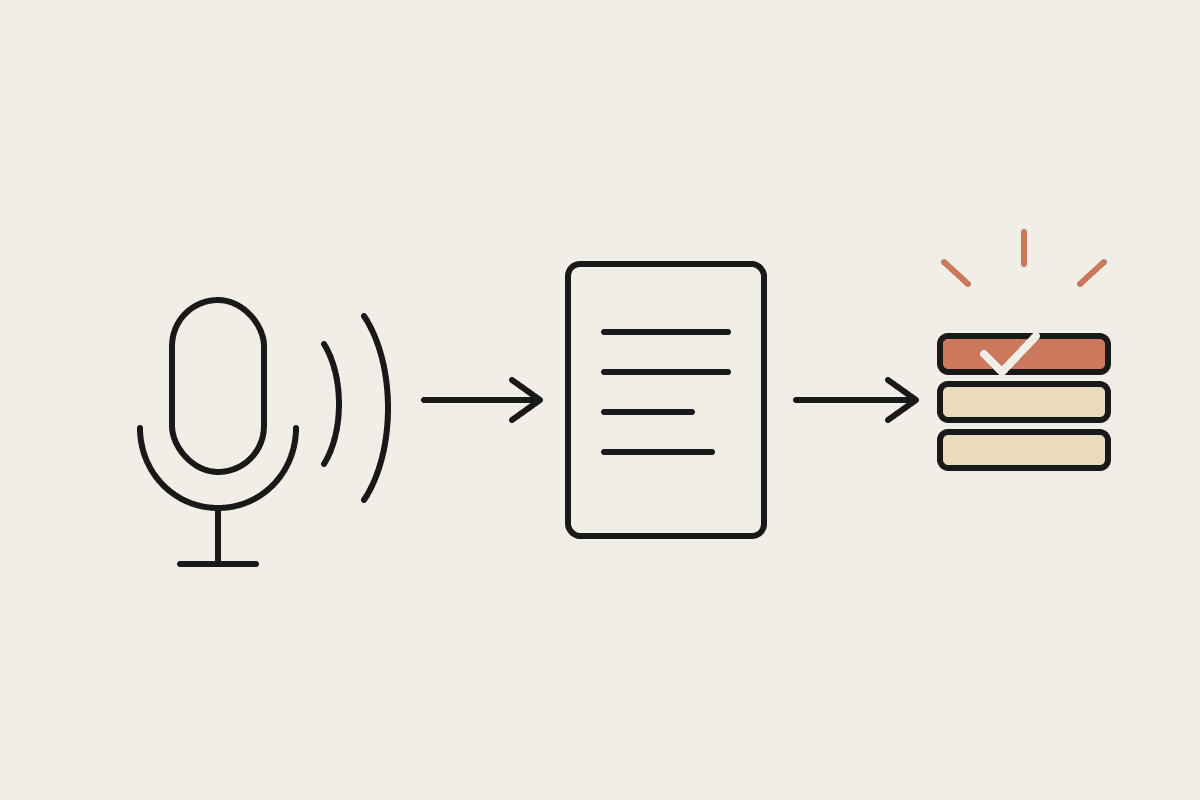
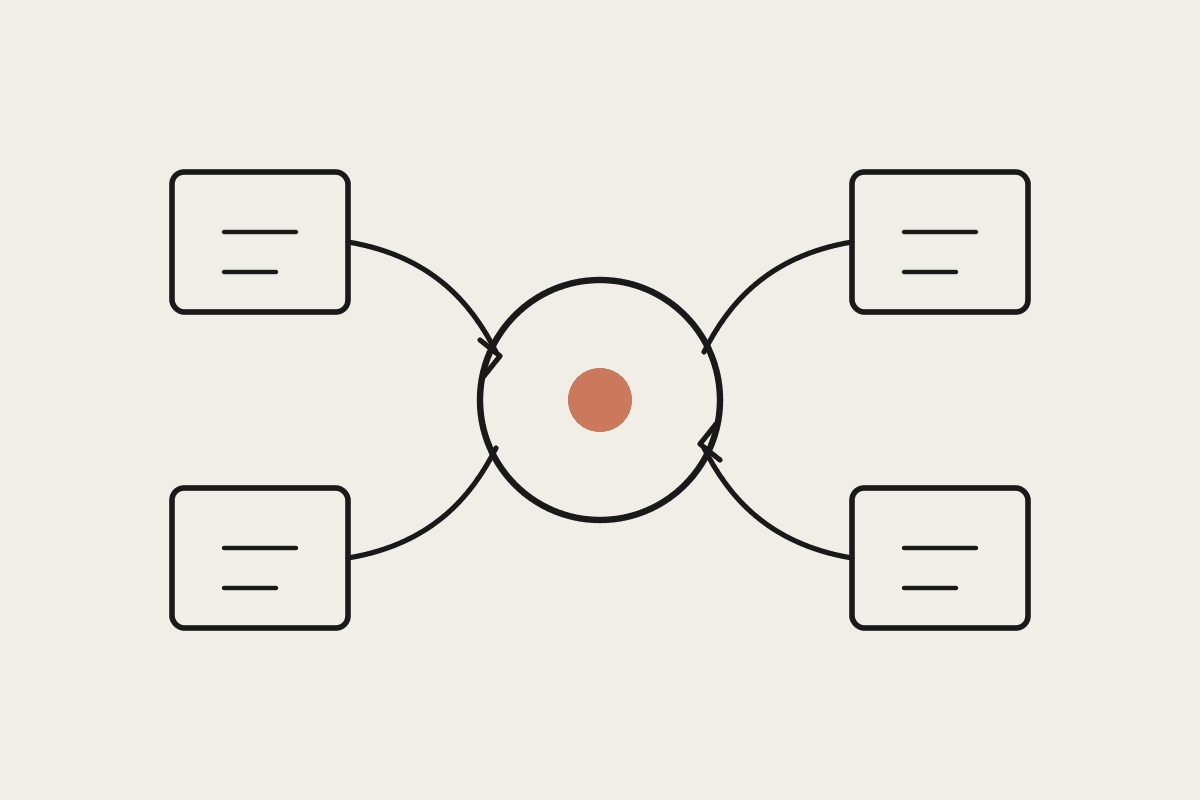
Claude pulls from the day's POS notes, messages and any incident log entries already captured during the shift
It drafts a short structured note: outstanding customer items, stock flags, anything unusual, tasks for the next shift
The closing staff member reviews and edits in under two minutes rather than writing from a blank page
The note lands wherever the next shift actually looks first, a shared channel or a printed sheet at the counter, not buried in an inbox
Why this beats a template
A blank handover template still requires someone to remember everything worth including, which is exactly the step that fails at the end of a long shift. Drafting from what was actually logged during the day, rather than from memory at closing time, catches details a tired staff member would otherwise forget, without adding new data-entry work during the shift itself.
A worked example
A Sydney cafe with three rotating shift leads was losing small but costly details between shifts, a supplier delivery short by two boxes, a regular customer's dietary note, a fridge running warm overnight. Since drafting handover notes from the day's POS and messaging log, the owner reports zero repeated "nobody told me" incidents over two months, versus roughly one a week beforehand, each of which used to cost 15-20 minutes of confused backtracking the next morning.
Keeping it honest
A handover note is only useful if staff trust it's accurate, which means it needs a genuine human review step every time, not a rubber stamp. Build the review into the closing checklist as a named step, not an optional extra, so it doesn't quietly get skipped on the busiest nights, which are exactly the nights a good handover matters most.
Rolling it out across multiple locations
Businesses with more than one site benefit from a consistent handover structure across all of them, so a manager covering an unfamiliar location on short notice can read the note the same way every time. Standardise the format once, then let each site's actual content vary naturally with what happened that day.
Sizing the payback
At roughly 20 minutes saved per handover across two shift changes a day, that is close to $6,000 a year in reclaimed staff time at a $25 hourly rate, on top of the value of the confused-backtracking incidents avoided altogether.
What this isn't
This isn't a system for logging serious incidents, which still need their own proper process and, where relevant, a written statement rather than a summary line. It's a tool for the day-to-day operational detail that otherwise falls through the cracks between shifts.
Getting started
Identify what data already exists during a shift that could feed the note: POS, a messaging channel, an incident log
Draft a short structure: outstanding items, stock flags, incidents, tasks for next shift
Add the review step to your existing closing checklist, not as a separate optional task
Check after two weeks whether the notes are actually being read by the next shift, not just written
The businesses that stick with this longest are the ones that treat the note as a genuine communication tool, not a compliance box to tick. A handover note nobody reads is worse than no system at all, because it creates a false sense that information is being passed along when it isn't. Ask the next shift once a week whether the note actually told them something useful, and adjust the format based on the answer.
If handover gaps are costing your team time and trust, that's a small, quick fix worth making this month rather than next quarter, and one most teams can have running within a week. Get in touch: https://www.automataai.com.au/contact