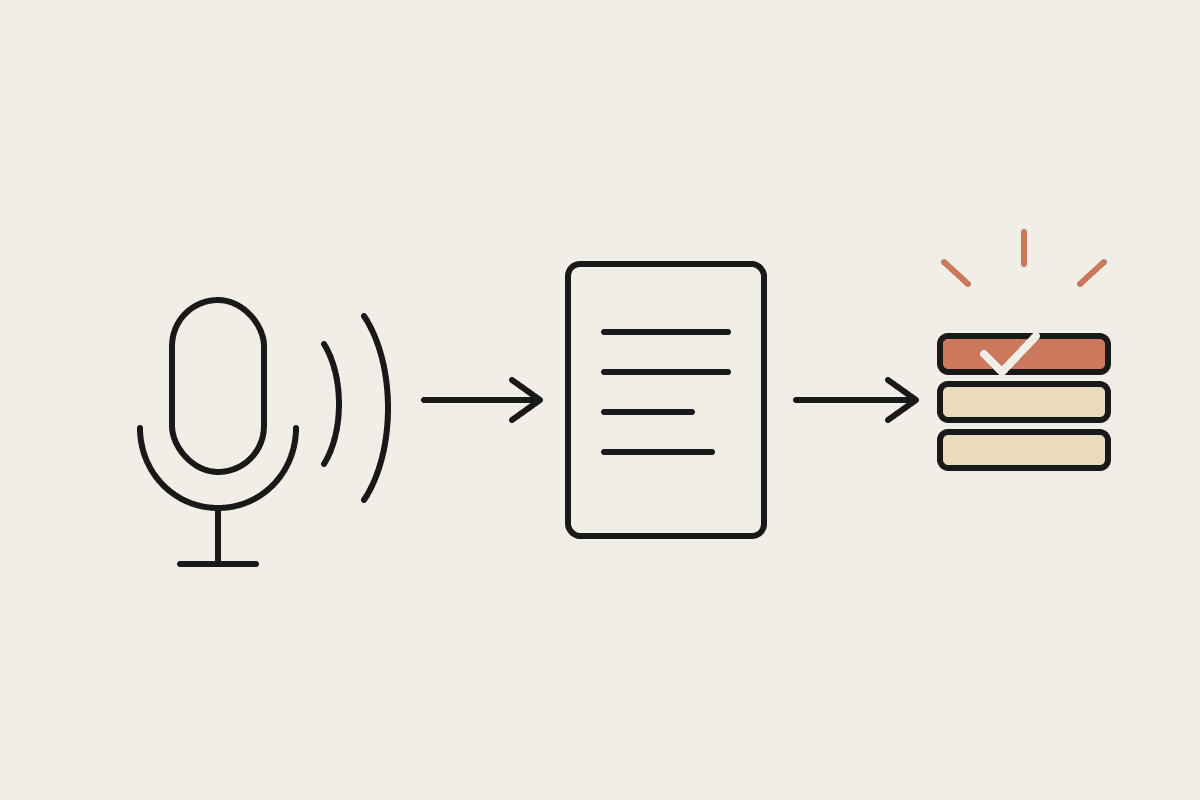
A missed appointment at a clinic is worse than a lost slot, it's a patient who didn't get the care they booked in for, and a gap in the day that can't always be filled on short notice. Most practice management software includes basic SMS reminders, but the details around timing, escalation and exceptions are usually left as defaults nobody has reviewed since setup.
Where default reminder settings fall short
A single SMS sent 24 hours before an appointment is the industry default, and it's better than nothing, but it misses a meaningful share of patients who don't check messages that day, or who genuinely forget between confirming and the appointment itself. A staged sequence, with a longer lead time first touch and a closer confirmation-style second touch, consistently outperforms a single reminder.
Building a better sequence
Booking confirmation: sent immediately, so the patient has the details in writing from the start
48 hours before: a reminder with a simple confirm or reschedule link, catching cancellations early enough to refill the slot
3-4 hours before: a final SMS reminder, the touch that most directly reduces same-day no-shows
A distinct, gentler sequence for new patients versus a shorter one for regulars who rarely miss
Handling cancellations properly
The 48-hour touch matters as much for what it prevents as what it reminds. A patient who confirms they can't make it two days out gives the clinic time to offer that slot to someone on a waitlist, turning a potential no-show into a filled appointment instead. Without that early touch, most cancellations only surface the day of, when it's too late to refill the gap.
A worked example
A Melbourne dental clinic running a single 24-hour SMS reminder had a no-show rate hovering around 9%, costing an estimated $52,000 a year in lost chair time at typical dental appointment values. Moving to a three-touch sequence with an early cancellation option dropped the no-show rate to just under 4% within two months, while also improving same-day rebooking because more cancellations surfaced early enough to refill.
Privacy Act considerations for health reminders
Appointment reminders for a health service sit under the Privacy Act's stricter handling requirements for health information. Keep reminder content generic ("you have an appointment") rather than specific (naming a condition or treatment type) in any SMS or email that isn't through a secured patient portal, since a phone can be seen by someone other than the patient.
Language and accessibility
A reminder sequence should account for patients who don't read English as a first language or who need extra notice for transport arrangements. A simple flag in the patient record for these cases, feeding a longer lead time or a translated template, closes a gap that a one-size sequence otherwise misses.
Waitlist integration closes the loop
The real payoff of an early cancellation touch only lands if there's a working waitlist to fill the freed slot. Pair the reminder sequence with a simple waitlist process, even a manual one where reception calls the next patient on the list, so a caught cancellation actually becomes a filled appointment rather than just an earlier-known gap.
Sizing the payback
A no-show rate cut in half across even a modest 500 appointments a month is roughly 20-25 recovered appointment slots monthly, and at typical AU clinic appointment values, that adds up to real annual revenue well beyond the modest cost of setting the sequence up properly.
A quick audit you can run today
Pull your last month of no-shows and check how many happened same-day versus how many patients had genuinely forgotten weeks in advance. Same-day misses respond best to a closer final reminder; forgotten bookings respond better to an earlier one. Most clinics need both, not just one.
What this isn't
This isn't a replacement for genuine patient communication when something serious needs discussing, that still needs a phone call from clinical staff. It's also not a way to avoid investigating why a specific patient keeps missing appointments, sometimes that's a transport or cost barrier worth understanding directly.
Getting started
Check your current no-show rate; most practice software can report this even if nobody's looked recently
Build a three-touch sequence: confirmation, 48-hour, same-day
Keep SMS and email content generic per Privacy Act health-information handling requirements
Track no-show rate for two months after launch to measure the actual improvement
Clinics that get the sequence right rarely stop at appointment reminders. The same staged-touch pattern, an early notice with time to act, a closer confirmation, works well for recall reminders on overdue check-ups too, once the core booking sequence is proven.
If missed appointments are costing your clinic real chair time, that's usually a fixable timing gap. Get in touch: https://www.automataai.com.au/contact