Most small businesses check competitor prices the same way. Someone opens six browser tabs once a fortnight, scans for anything that looks different, and updates a spreadsheet if they remember to. It works until the week it doesn't. A competitor drops prices 8% on your three best-selling lines and you find out from a customer asking why you're suddenly the expensive option.
What automated actually means here
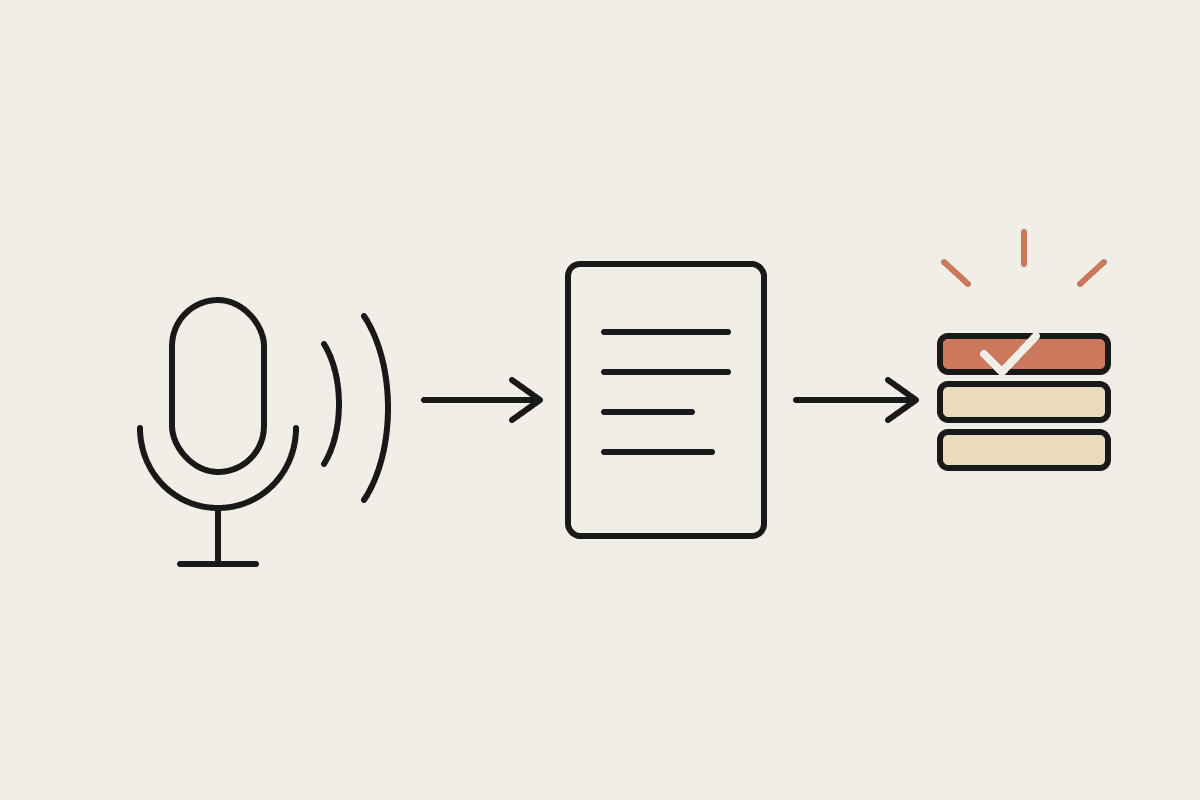
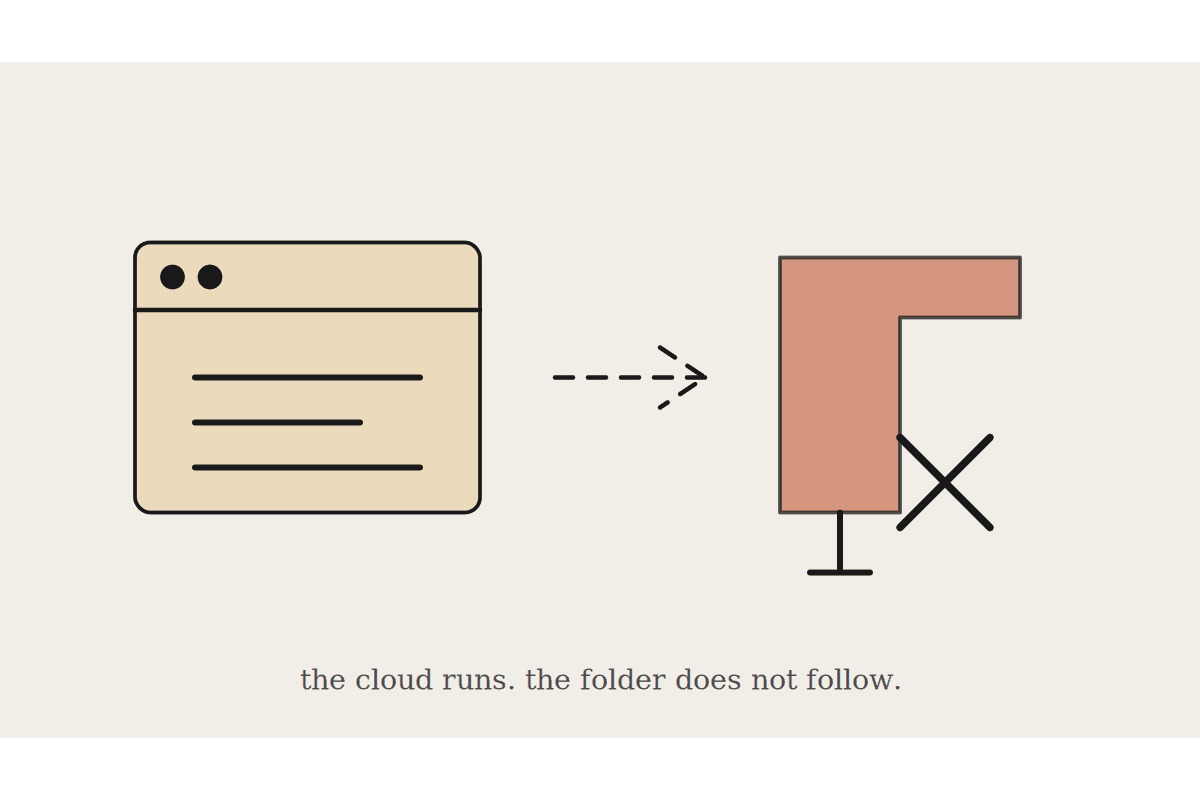
This isn't a scraper running wild across the internet. A Claude Cowork price-monitoring setup is a scheduled task that visits a fixed list of competitor product pages on a cadence you choose, daily, twice-weekly, or weekly, and reads the price, stock status and any promo banner off each page. It writes the result to a Google Sheet or Airtable base you already own. Nothing changes on your website. Nothing gets published automatically. It's a disciplined version of the manual check, minus the part where it gets skipped when things get busy.
What to capture per product
SKU or product name, matched to your own catalogue
Current price and whether it includes freight
Stock status: in stock, backorder, or out of stock
Any promo code or bundle offer visible on the page
Date and time captured, so you can see the trend, not just the snapshot
Building it with Cowork
The build has three pieces. First, a short list of target URLs: competitor product or category pages, ideally 10 to 20 SKUs that actually move your margin, not your whole catalogue. Second, a scheduled task using the browser connector to open each page and extract the fields above. Claude reads the rendered page rather than raw HTML, so it copes with most catalogue layouts without custom scraping code. Third, a sheet or Airtable connector to log each run as a new row, so you get a time series instead of a single point-in-time reading.
A Melbourne trade-supply business we spoke with tracks 14 competitor SKUs across three suppliers, twice a week. Before automating it, the owner estimated the manual check ate close to three hours a month and still got skipped during busy stock-take periods. The Cowork version runs unattended and drops a one-line Slack summary only when a tracked price moves more than 3%, so the owner reads the exceptions instead of a wall of unchanged numbers.
Sizing the payback
If price monitoring saves three hours a month at a loaded rate of $45 an hour, that's roughly $1,620 a year in reclaimed admin time, before counting the margin protected by catching an undercut in week one instead of month two. For a business doing $600,000 in revenue on thin trade margins, spotting one missed price shift early can be worth more than the whole year's setup cost.
Where this fits your pricing process
The output is an input to a decision, not the decision itself. The scheduled task tells you what changed. A person still decides whether to match, hold, or reposition. That's a deliberate design choice, not a limitation we're apologising for. Businesses that skip the human step tend to end up in a race to the bottom with a competitor who is doing the exact same thing on their side.
Keeping it on the right side of the line
Automated price collection for your own decision-making is standard commercial practice. Automated price-setting that responds directly to a competitor's price, without a human decision in between, is a different question, and one the ACCC has taken an active interest in when algorithmic pricing tools start to look like coordinated conduct between competitors. Keep a human in the loop before any price actually changes, and you stay well clear of that territory.
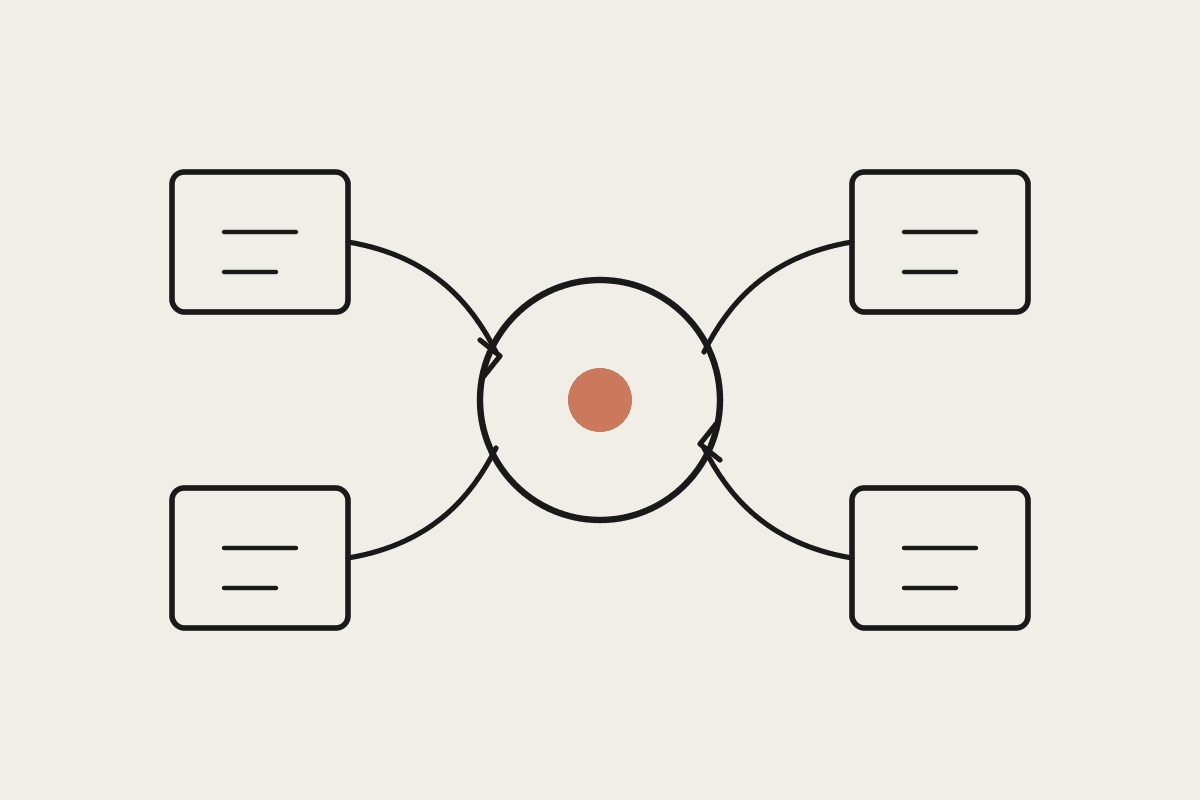
This matters more than it sounds. Two competitors independently running a "if they drop, I drop" logic can produce outcomes that look identical to explicit collusion even without either business ever contacting the other. Regulators are increasingly alert to that pattern, which is exactly why the monitoring and the price-setting decision need to stay separate steps with a person between them.
A note on data quality
Competitor sites change layout without warning, and a scraper that isn't checked periodically will quietly start reading the wrong field. Build a monthly spot-check into the routine: pick three tracked products and confirm the logged price matches what's actually on the page. It takes five minutes and catches drift before it costs you a bad pricing call.
What this setup isn't
It won't catch prices hidden behind a login, a quote request, or a phone call, which is common in trade and B2B pricing and worth noting before you assume full coverage. It also won't tell you why a competitor moved. That context still comes from your own read of the market.
Getting started
Pick 10-20 SKUs that actually move your margin, not your full catalogue
Confirm the competitor pages show price without a login
Choose a cadence; weekly is enough for most SMBs
Set the alert threshold so you see exceptions, not noise
Review the log monthly to catch slower-moving trends the alerts miss
If you're already running Claude Cowork for other admin work, this is usually a half-day build on top of connectors you've already set up. If you're starting from nothing, book a short call and we'll scope it against your actual catalogue: https://www.automataai.com.au/contact