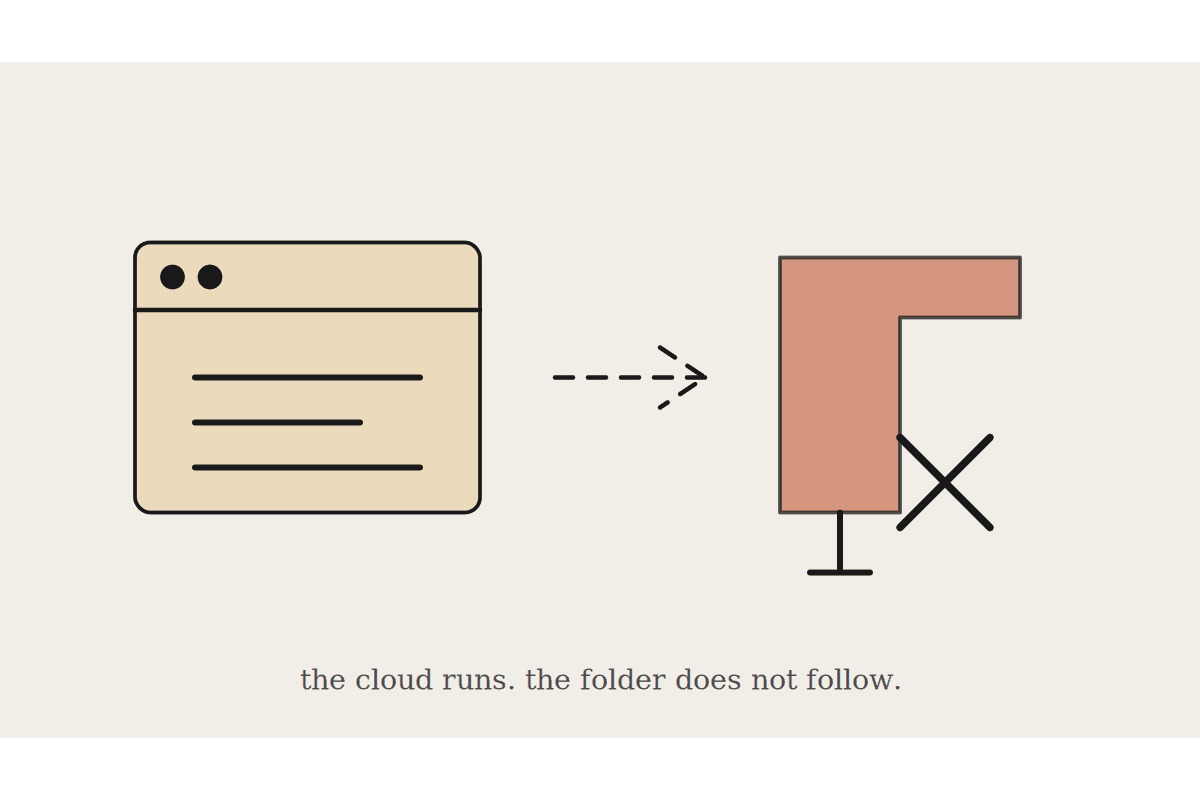
A lapsed contract is rarely a dramatic failure. It's a software licence that auto-renews at a worse rate because nobody reviewed it in time, or a client service agreement that expires quietly and leaves you delivering work with no signed terms covering it, or a supplier contract that renews on unfavourable terms because the 60-day notice window to renegotiate closed while everyone was busy with something else. None of these show up as a crisis. They show up as a slow accumulation of worse deals than you'd have negotiated with proper notice, and because each individual miss looks small, the pattern rarely gets noticed until someone actually adds up the total across a year of contracts.
Why contract dates are worse tracked than almost anything else in a business
Invoices get chased because unpaid invoices are visible and uncomfortable. Contract renewal dates don't have that same built-in pressure; nothing forces attention until the renewal has already happened on autopilot. Most businesses' contract tracking amounts to whoever signed the contract remembering roughly when it expires, which works until that person leaves or simply has too much else going on when the date actually arrives.
Every active contract logged with its renewal or notice-period date, not just the ones someone happens to remember
A tiered alert schedule keyed to each contract's actual notice period, not a single generic reminder
Auto-renewal clauses specifically flagged, since these are the ones that bite hardest if missed
A quarterly summary of what's coming up, so renewal negotiation gets planned rather than rushed
What the Cowork build actually looks like
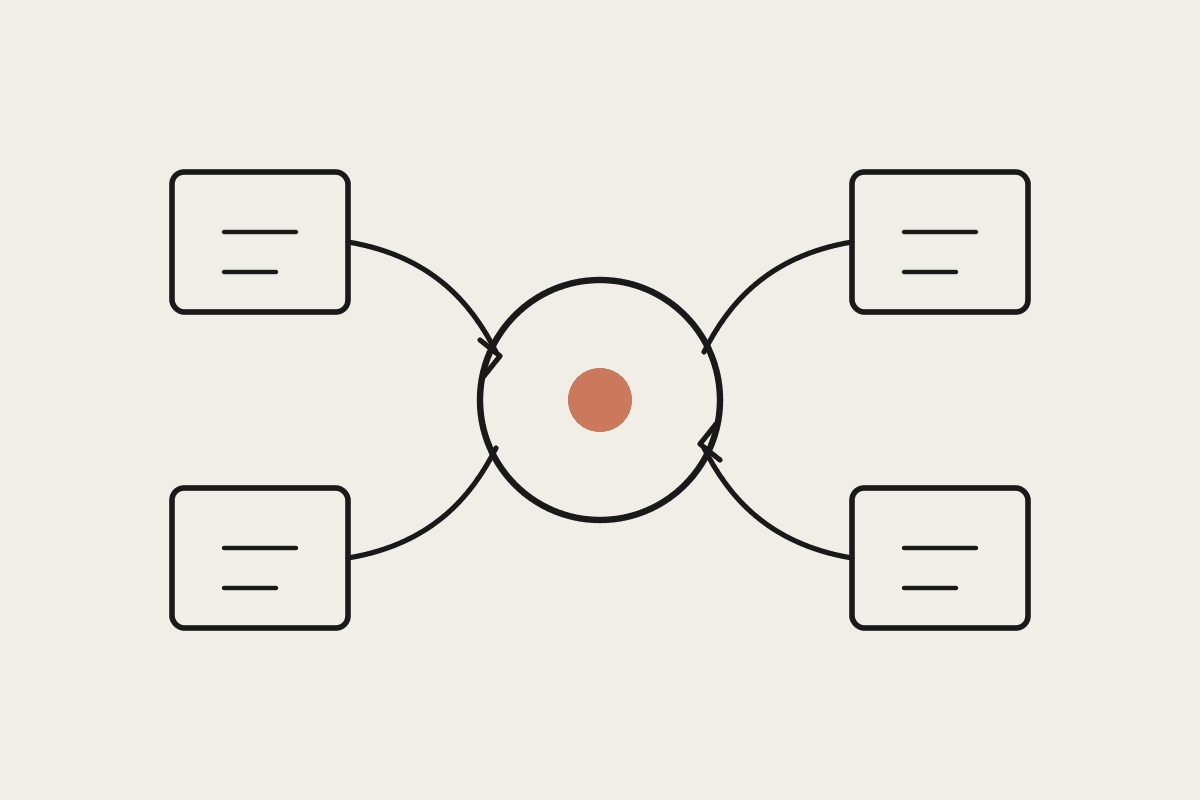
The practical setup starts with a one-off pass reading through existing contracts (stored in whatever document system you use) to extract renewal dates and notice periods, then a scheduled task that checks that list against today's date and fires alerts on a tiered schedule matched to each contract's actual notice window. A contract with a 90-day notice period needs its first alert well before one with a 30-day window, and getting that tiering right is what separates a useful system from a generic 'reminder set once' approach that misses the actual deadline that matters, particularly for anything with an auto-renewal clause where missing the window locks in another full term.
A Melbourne professional services firm running around 40 active supplier and software contracts discovered, during the initial document pass, that they'd let three SaaS subscriptions auto-renew at list price over the previous 18 months when each had a negotiable renewal window that nobody had tracked, together costing an estimated $11,000 more than renegotiated rates would have. After building tiered alerts against the full contract list, the firm renegotiated two of its largest supplier agreements ahead of their next renewal windows and reported meaningfully better terms on both, directly attributable to having the lead time to actually negotiate rather than just accept whatever showed up on the invoice.
Getting the initial contract inventory right
The one-off effort of reading through every existing contract to extract dates is the part most likely to get skipped, and it's also the part that matters most, because a tracking system built on an incomplete list just replicates the original blind spot for whatever didn't make it in. Budget real time for this first pass rather than treating it as a formality, and treat any contract you can't locate a copy of as its own flag to chase down before building the tracker around what you do have.
Deciding who owns each alert
A renewal alert that goes to a shared inbox nobody's specifically responsible for is barely better than no alert at all, because the same diffusion-of-responsibility problem that let the date slip in the first place just recreates itself one step removed. Every contract in the tracker needs a named owner, ideally whoever actually manages that supplier or client relationship, so the alert lands with someone who has both the context and the authority to act on it rather than forwarding it around looking for whoever's responsible.
What this isn't
This tracks dates, it doesn't negotiate on your behalf or judge whether a renewal is worth pursuing versus switching providers; that's still a commercial decision for whoever owns the relationship. The alert just buys back the lead time to make that decision properly instead of under deadline pressure.
Automata AI builds contract renewal tracking into Cowork for Australian businesses tired of finding out a good deal lapsed after the fact, including the initial document pass most businesses never get around to doing properly on their own. Get in touch via /contact if your contract dates currently live in someone's memory.