Every business bank feed produces the same fight every month: a pile of uncategorised transactions sitting in Xero or MYOB, waiting for someone to click through each one and decide whether it's Travel, Subscriptions, or Cost of Goods Sold. Get it wrong consistently and your accountant spends billable hours fixing the coding before they can even start the BAS, which is money spent cleaning up rather than advising. The frustrating part is that most of this work is genuinely repetitive: the same handful of vendors show up month after month, and a human coding them by hand is mostly pattern-matching against memory rather than making a fresh judgement call each time.
Why categorisation drifts even with a bookkeeper on the books
The problem usually isn't a lack of process, it's inconsistency across time. A card subscription gets coded to Software one month and Office Expenses the next, depending on who's doing the coding that week. Multiply that across a year of transactions and your accountant is reconciling categories as much as numbers, and any margin-by-category reporting you try to run becomes unreliable because the underlying data isn't consistent.
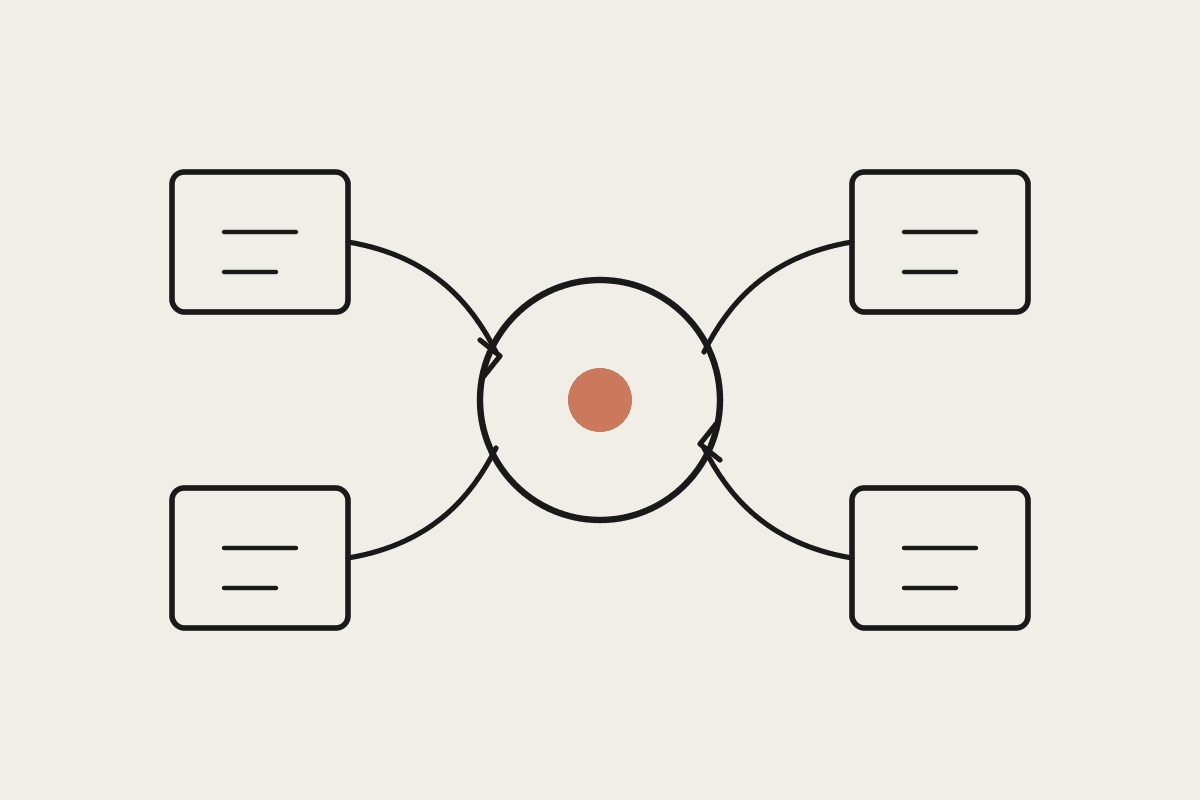
New transactions matched against how similar past transactions were coded, not coded fresh each time
Anything below a confidence threshold flagged for a quick human decision instead of guessed
A weekly summary showing what changed and any pattern that looks like drift
A clean export ready for your accountant before BAS or EOFY work starts, not scrambled together the week it's due
Where Cowork fits without replacing your bookkeeper
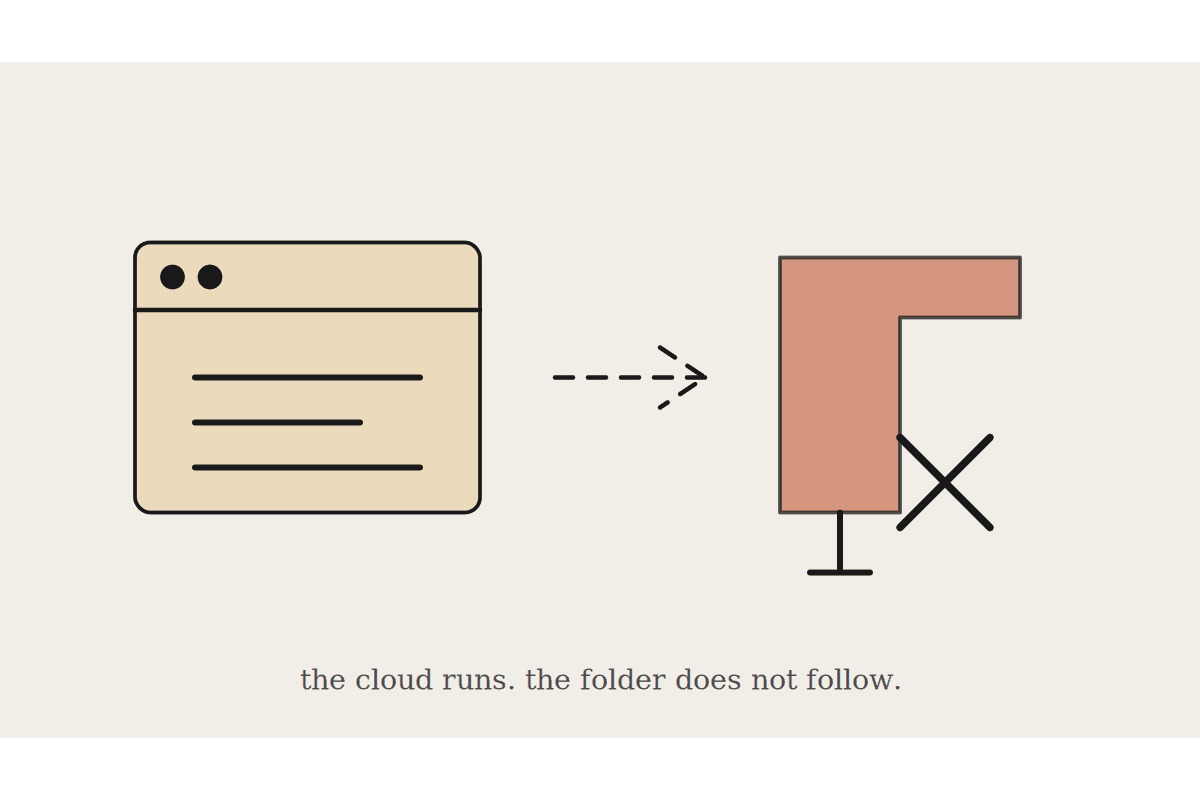
The right scope here is narrow: read the transaction feed via your accounting platform's connector, propose a category based on vendor name, amount pattern, and prior coding history, and write that proposal back for a human to approve in a weekly batch rather than transaction by transaction. That's a meaningfully lighter lift than trying to fully automate bookkeeping, and it keeps a human making the final call on anything unusual, which matters both for accuracy and for the paper trail your accountant expects to see.
A Brisbane retail business running two stores was spending roughly 6 hours a month of the owner's time re-categorising transactions their casual bookkeeper had coded inconsistently, on top of the accountant's own clean-up time each quarter which they were being billed close to $3,200 a year for. After setting up the review-and-approve categorisation flow, the owner's direct time dropped to about 45 minutes a week checking the flagged exceptions, and the accountant's BAS-prep clean-up time fell enough that the next quarter's invoice came in noticeably lower.
Getting the confidence threshold right
The setup that works well starts conservative: a high confidence bar so most transactions get flagged for review at first, and the bar gets relaxed gradually as the categorisation history builds up and proves itself accurate. Businesses that start with a loose threshold end up rubber-stamping wrong categories because there are too many to check properly, which is worse than not automating at all. A few weeks of a tighter filter costs a little more review time upfront and saves real accuracy later. Most businesses find the threshold needs revisiting once, roughly a month in, once enough transaction history exists to judge whether the automated proposals are actually holding up against what a human would have coded.
Handling vendors that genuinely span categories
Some vendors are ambiguous by nature: a hardware store purchase could be Cost of Goods Sold for a trade business or Office Expenses for an admin restock, depending on what was actually bought. The categorisation logic needs a way to hold two live rules for the same vendor and pick between them based on amount, description, or day of week if that's a reliable enough signal, rather than forcing every transaction from that vendor into one bucket. Getting this wrong quietly and consistently is worse than the manual process it replaced, because a wrong pattern repeats every time that vendor appears.
What this doesn't cover
This is not GST coding advice and it doesn't replace your BAS agent's judgement on anything ambiguous, like whether a purchase is genuinely deductible or has a private-use component. Keep those calls with your accountant or bookkeeper. The automation's job is consistency on the bulk of routine transactions, not tax decisions. Getting that consistency right is still worth real money on its own, even before you factor in the accountant's reduced clean-up time each quarter.
Automata AI builds this categorisation workflow into Cowork for Australian small businesses on Xero and MYOB. If your bookkeeping's costing more in accountant clean-up time than it should, get in touch via /contact.