A business with one location can keep on top of Google reviews with a standing habit: check once a day, reply to anything new. A business with six or twelve locations can't run that same habit reliably, because reviews are landing across every site's listing at once and nobody's job is specifically to watch all of them. The result is a pattern almost every multi-site operator recognises: some locations get prompt, thoughtful responses and others go weeks with unanswered reviews, and prospective customers can see that inconsistency plainly when they're comparing locations before choosing one, often reading the review history of two or three nearby sites side by side before deciding where to book.
Why unanswered reviews cost more than they look like they do
Google's own guidance and plenty of independent research point the same direction: businesses that respond to reviews, especially negative ones, convert better than businesses that don't, because a thoughtful response signals the business is actually paying attention, and prospective customers reading reviews are often reading the business's own responses as closely as the reviews. An unanswered one-star review sitting at the top of a location's listing for three weeks does more damage to that location's conversion than the original complaint did, because it broadcasts that nobody's watching.
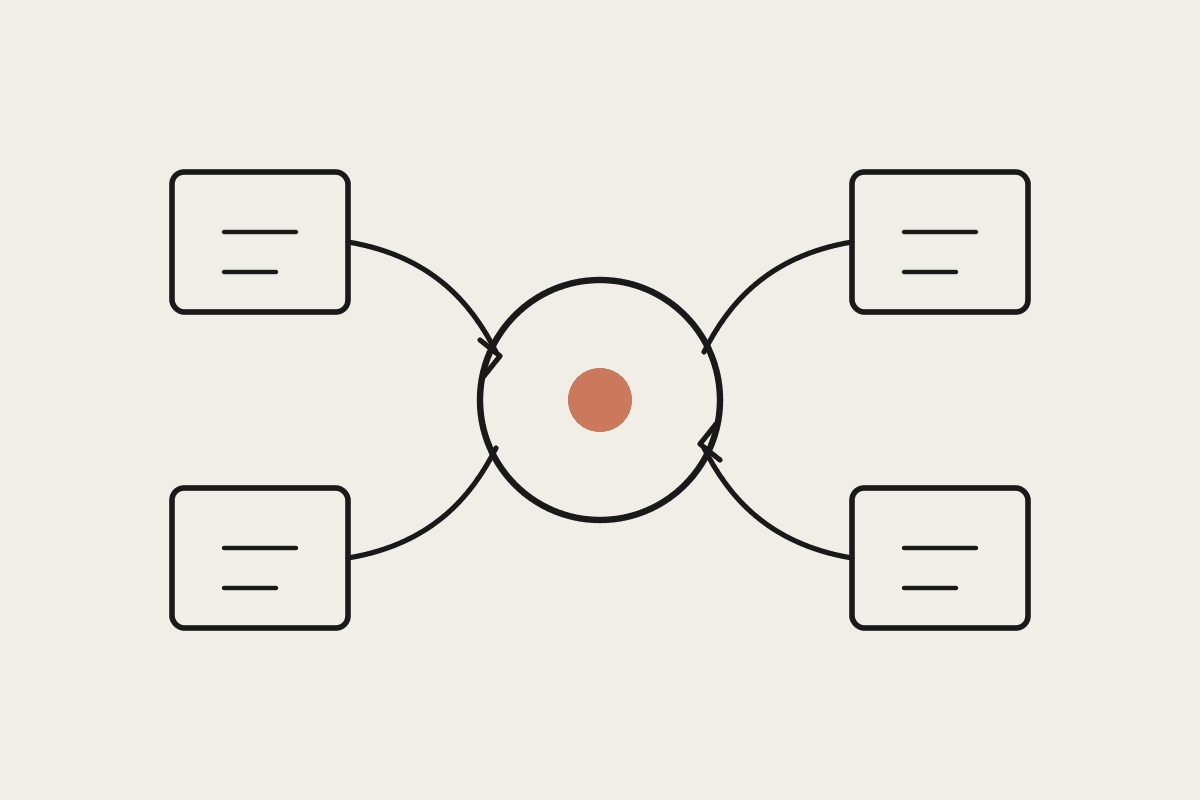
Every new review across all locations pulled into one place, not checked location-by-location
Draft responses generated per review, matched to tone (genuine thanks for a good review, a measured and specific reply for a negative one)
Negative reviews flagged for a human's final check before anything goes live, always
A weekly summary by location showing response time and rating trend, so pattern problems surface early
Building this so it doesn't sound like a form letter
The trap with review-response automation is generic replies that are technically prompt but read as obviously templated, which arguably does more damage to trust than a slow but genuine response. The setup that works drafts a response referencing something specific from the actual review (what the customer mentioned, which staff member or service, the specific issue if it's a complaint) rather than a generic thank-you template, and routes every draft through a human for final approval before it posts, particularly on anything negative where tone matters enormously.
A Brisbane-based allied health group running eight clinic locations had one admin staff member nominally responsible for review monitoring across the whole group, a task that consistently fell behind whenever anything else got busy, which was most weeks. Average response time across locations was running at 9 days, with two locations regularly going three weeks or more unanswered. After setting up draft generation with same-day human approval, average response time across the group dropped to under 24 hours, and the group's average rating across all locations rose by 0.3 stars over the following two quarters, worth an estimated $14,000 in additional bookings based on the group's own conversion tracking against rating changes, a figure the group's marketing lead cross-checked against booking-source data before treating it as reliable enough to act on.
The one rule worth never breaking
Negative reviews, and particularly anything alleging a service or safety issue, should never post without a specific human reading the actual review and the drafted response first, every time, no exceptions. The efficiency gain from automation is in the drafting, not in removing judgement from what's genuinely a reputation-sensitive moment for the business.
Watching for patterns across locations, not just individual reviews
A single negative review is a one-off worth a considered response. Three negative reviews across different locations mentioning the same specific issue, wait times, a particular service line, staff shortages on weekends, is a pattern worth someone at head office actually seeing, not just three isolated draft-and-approve responses handled locally. The weekly summary by location is where this shows up, and it's worth someone with an operations view actually reading it each week rather than letting it sit unopened alongside the response drafts.
What this isn't
This doesn't fix the underlying service issues a run of negative reviews might be pointing at; it just makes sure those reviews get a considered response instead of silence. If a pattern of complaints keeps surfacing about the same issue, that's an operational fix, not a review-response one, and no amount of well-drafted responses will substitute for actually addressing whatever the reviews keep pointing at.
Automata AI sets up review-response drafting for Australian multi-site businesses, always with human approval built in and the pattern-watching summary included from day one. If your review response times vary wildly by location, get in touch via /contact.