Walking into a sales call without knowing much about the prospect beyond their name and email is more common than most sales teams would admit. Proper research takes time nobody has between back-to-back calls, so it gets skipped, and the call opens with questions the prospect already answered on the enquiry form.
What lead enrichment actually needs to cover
Useful pre-call research isn't a company history essay, it's four or five specific facts that change how the conversation goes: what the company does, roughly how big it is, what they said in their enquiry, anything public about recent changes, funding, hiring, a new location, and any prior contact your business has already had with them. That's a fifteen-minute manual research job for a diligent salesperson, and a two-minute automated one.
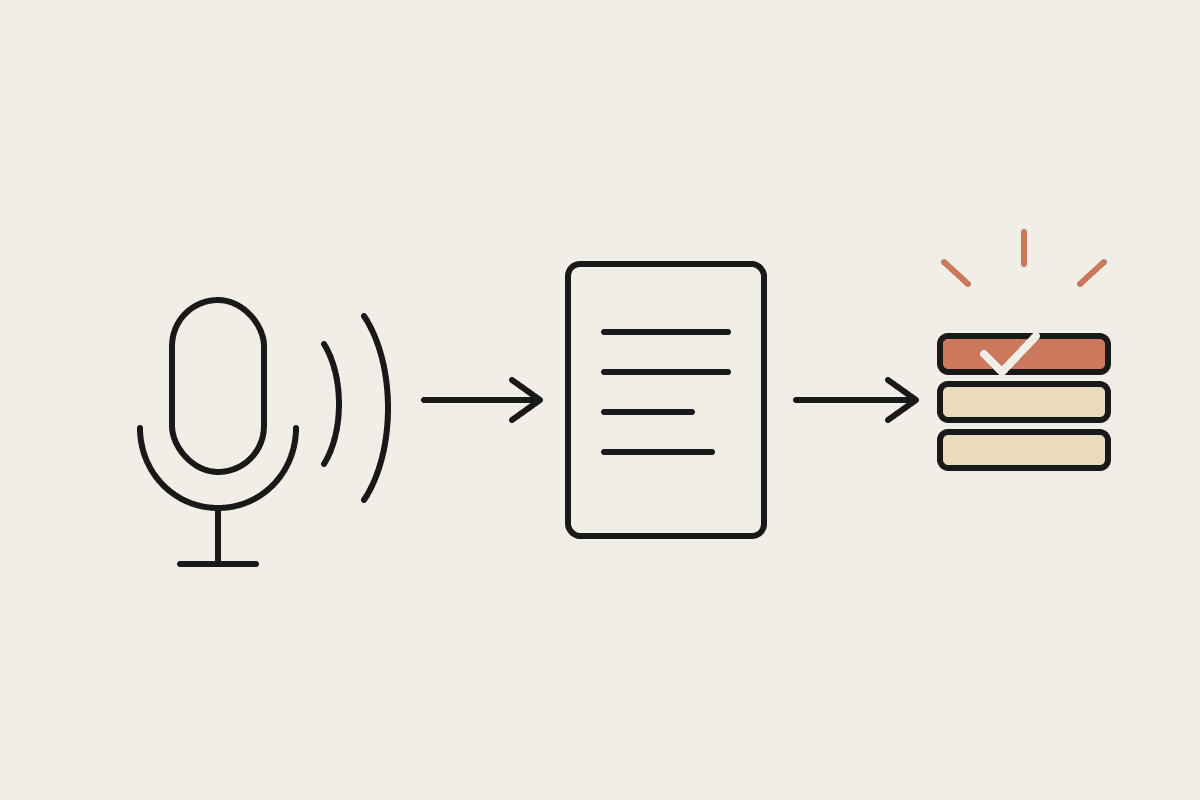
The automated workflow
Pull the enquiry form data and any CRM history first, this is often richer than people realise and gets skipped in the rush
Check the company website for what they actually do and how they describe themselves, not just a generic industry label
Look for recent public news, a funding round, a new hire, an expansion, that gives a natural, relevant opening
Compile a one-page brief: who they are, what they asked about, one relevant recent fact, and a suggested opening question
Why this changes the call
A salesperson who opens with a specific, relevant detail (noticing a company just expanded into a second state, for instance) signals genuine attention in a way a generic opener never can. Prospects notice the difference, and it shows up in how much they're willing to share early in the call, which is exactly when a good discovery conversation needs momentum.
A worked example
A Sydney commercial insurance broker automated pre-call briefs for every booked demo, pulling CRM history, company website detail and recent news into a one-page summary delivered an hour before each call. The sales manager reported meaningfully longer average call duration and a noticeably higher rate of second meetings booked, attributing much of it to reps opening with something specific instead of a generic "tell me about your business" question that used to eat the first five minutes of every call.
Where to draw the privacy line
Enrichment should stick to publicly available business information: company websites, public news, LinkedIn company pages. Scraping personal social media or buying third-party data on individual contacts without their knowledge sits in murkier territory under the Privacy Act, and most B2B sales teams don't need it anyway; business-level context does the job.
Keeping the brief short
A five-page research dossier doesn't get read before a call that starts in ten minutes. Keep the brief to what fits on one screen: three to five facts and a suggested opening line. If a rep wants to go deeper on a genuinely high-value prospect, that's a separate, deliberate research task, not the standard pre-call routine.
Feeding the brief back into the CRM
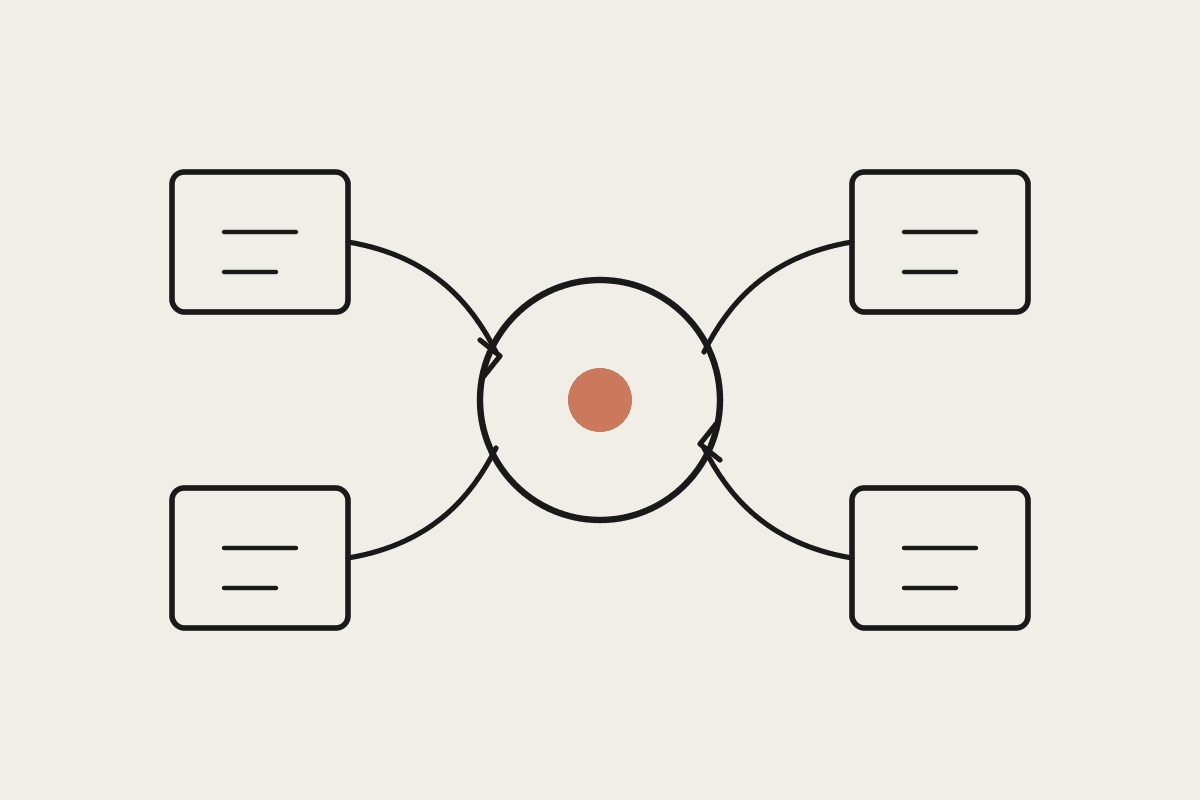
Once a call happens, have the actual outcome, and anything new learned about the prospect, written back to the CRM record automatically from the call notes. That closes the loop so next time someone touches this account, whether it's the same rep in three months or a different one entirely, they are not starting from zero again.
Sizing the payback
If a two-minute automated brief replaces fifteen minutes of manual research across even five calls a week, that's over an hour a week back per rep. Across a five-person sales team at a loaded rate of $45 an hour, that is roughly $11,000 a year in reclaimed selling time, on top of whatever the sharper call openings do for close rate.
What this isn't
This isn't a substitute for a rep actually listening on the call and adjusting from there; the brief opens the conversation, it doesn't run it. It's also not a way to skip proper discovery questions just because you found something on their website.
Getting started
Define the four or five facts your team actually finds useful before a call, not a generic checklist
Connect Claude Cowork to your CRM and calendar so it knows what's booked and can pull prior history automatically
Set the brief to land an hour or two before each call, not the night before when it'll be forgotten
Ask reps for feedback after two weeks on whether the briefs are actually changing how calls open
Most sales teams that add this find the biggest surprise is how little the research actually costs once it is automated, and how much of a difference it makes to a prospect who is used to generic outreach from every other vendor calling them that week.
If your sales calls are opening cold when they don't need to, this is usually a quick fix. Get in touch: https://www.automataai.com.au/contact