Membership renewals are one of the most predictable pieces of admin a business will ever have, every member has a known expiry date, and yet renewal reminders still get sent late or not at all because nobody owns the task consistently. The fix isn't a smarter reminder, it's a reliable one that runs on the calendar rather than on someone's memory.
Why timing matters more than wording
A well-written renewal email sent on the wrong day underperforms a plain one sent at the right moment. The evidence from membership organisations consistently points to a staged sequence, an early heads-up 30 days out, a reminder at 14 days, a final notice at expiry, and a short win-back message a week or two after lapse, working better than a single reminder no matter how persuasively it's written.
Building the sequence
30 days before expiry: a friendly heads-up, mentioning what they'd lose access to, no urgency language yet
14 days before: a clearer reminder with a direct renewal link, still calm in tone
On expiry day: a plain notice that membership has lapsed, with a simple path to reinstate
7-14 days after lapse: a short win-back message, sometimes with a small incentive to return
What Claude Cowork adds
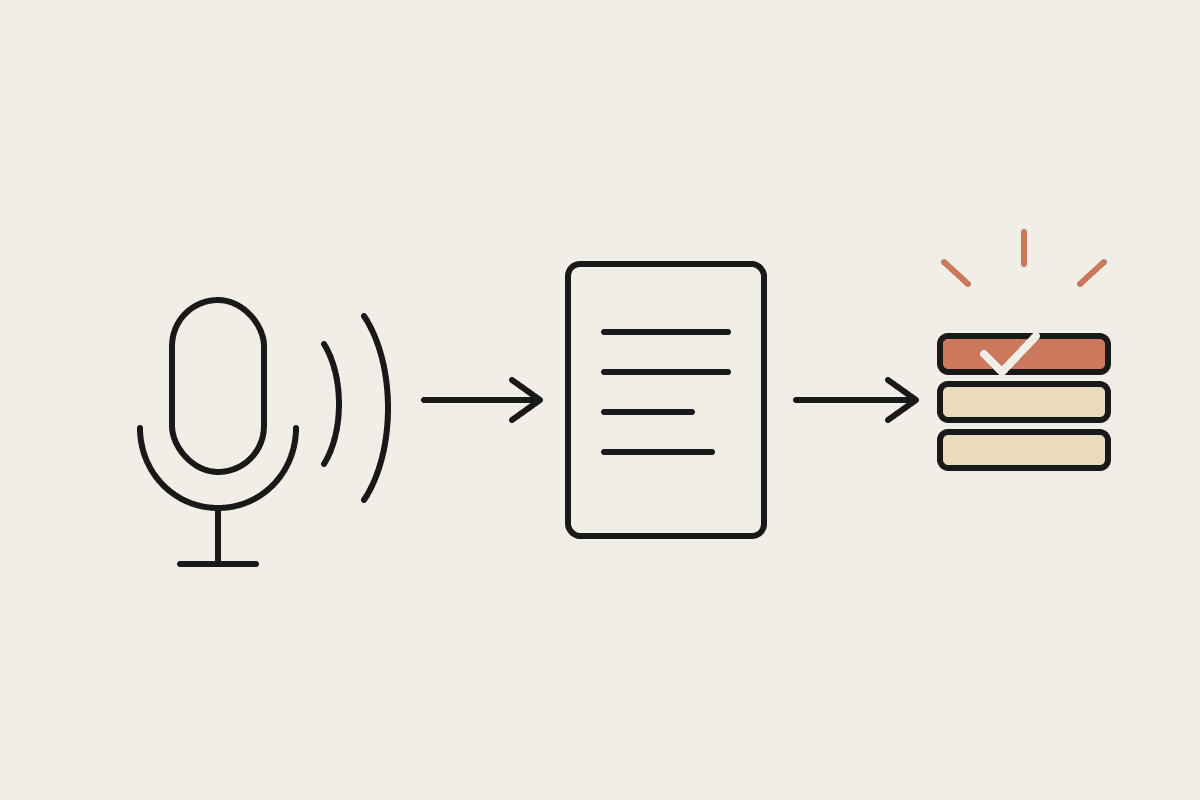
The mechanical trigger, checking who's due and sending on schedule, is something most membership systems already handle to some degree. Where Claude adds real value is the drafting layer: personalising each reminder with the member's actual tenure, their usage or attendance if you track it, and a tone that varies sensibly between a first reminder and a final notice, rather than four identical emails with different subject lines.
A worked example
A regional Victorian sporting club with around 300 members automated its renewal sequence after years of manual, inconsistent reminders sent whenever the volunteer treasurer found time. Renewal rate within the first two weeks of expiry lifted from an estimated 55% to over 75% once the staged sequence ran reliably every month, worth roughly $9,000 a year in membership revenue that was previously being lost to simple reminder gaps rather than genuine member churn.
Personalising without overreaching
Mentioning a member's actual tenure ("you've been with us for six years") lands well. Mentioning specific attendance data can feel surveillance-adjacent if it's not framed carefully, particularly for members who attend rarely and might feel judged. Keep personalisation warm and factual, not a performance review of their participation.
Handling the awkward cases
Not every non-renewal is a simple oversight. Some members are quietly deciding to leave, and a fourth pushy reminder can sour what should be a clean exit. If a member hasn't responded to three reminders, the fourth touch should soften, not intensify, and should make it easy to say no as well as yes.
Where this sits alongside a membership manager
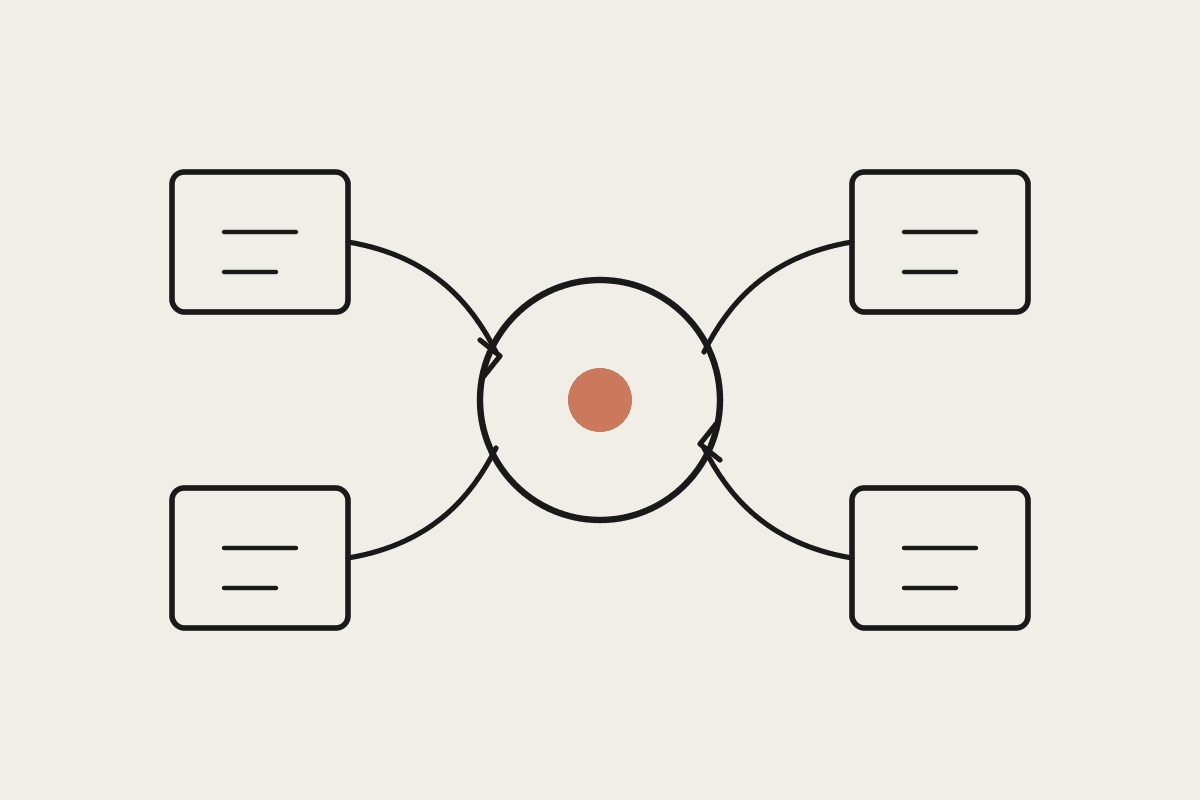
Automating the sequence doesn't remove the need for a human to notice patterns across the whole membership base, a sudden spike in lapses from one member category, for instance. The reminders are the reliable mechanical layer; a person still needs to be watching the aggregate trend line each quarter.
A quick audit you can run today
Check your last three months of lapsed memberships and see how many received all four planned touchpoints versus a single reminder or none at all. Most organisations that haven't automated this find the gap is bigger than they expected once they actually look.
What this isn't
This isn't a way to guilt lapsed members back with manufactured urgency; that approach tends to damage goodwill more than it recovers revenue. It's also not a substitute for actually understanding why members leave, the reminders fix a timing problem, not a value problem.
Getting started
Map your current renewal sequence, if you have one, and check how consistently it actually runs today
Set the four-touch cadence: 30 days before, 14 days before, on expiry, and a week or two after lapse
Connect Claude Cowork to your membership database so drafts pull real tenure and status data
Track renewal rate for two full cycles before and after to see if the timing change actually moved the number
Membership organisations of every size run on the same underlying pattern: predictable dates, a known sequence, and reminders that only work if they actually go out on time. Fixing the timing is usually the single most effective change available before touching pricing or benefits at all, and the cheapest one to test. It also tends to be the change with the least downside, since nobody objects to a well-timed, clearly worded reminder about something they already chose to belong to.
If renewal reminders at your organisation depend on someone remembering to send them, that's a fixable gap. Get in touch: https://www.automataai.com.au/contact