A missed appointment costs more than the lost slot. It's the follow-up call that has to happen, the rebooking conversation, and the small but real risk the client just doesn't come back at all because reaching out felt like a chore nobody got around to. Most businesses have a reminder system to prevent no-shows before they happen; far fewer have a proper process for what happens after one already did.
Why the follow-up matters as much as the reminder
Prevention and recovery are two different jobs. A reminder sequence reduces how often no-shows happen; a follow-up sequence determines what happens to the relationship when one happens anyway. Businesses that only invest in the first half tend to quietly lose a percentage of no-show clients every month, not because those clients were unhappy, but because nobody reached out and the moment passed.
A workable follow-up sequence
Same day: a short, judgment-free message, noting they were missed and inviting them to rebook when it suits
Three days later, if no response: a slightly more direct rebooking prompt, perhaps with a couple of open slots suggested
Two weeks later, if still no response: a final, low-pressure check-in before the client moves to a longer-term win-back list
A note in the client's record so the next staff member who sees them has context, not a blank slate
Getting the tone right
A no-show follow-up that reads as an accusation, even subtly, tends to push a client further away rather than bring them back. Claude drafting these from a client's actual booking history, first no-show versus a repeat pattern, lets the tone calibrate automatically: warmer for a first-time miss, more direct for a client who's missed three appointments in two months without ever cancelling.
A worked example
A Perth physiotherapy clinic was losing an estimated 12% of no-show clients permanently, meaning they never rebooked at all, before introducing a structured same-day and three-day follow-up sequence. Within three months that permanent-loss rate dropped to roughly 5%, recovering an estimated $28,000 a year in ongoing treatment revenue that would otherwise have gone to a competitor or simply lapsed.
Distinguishing genuine reasons from patterns
Some no-shows have a real, one-off reason, illness, a family emergency, and don't need anything beyond a warm, simple follow-up. A repeat pattern is a different conversation entirely, sometimes about whether the appointment time or format actually suits the client, sometimes about whether they've quietly decided to stop coming. Flag repeat no-shows for a person to review rather than letting the automated sequence run the same script every time.
Where this connects to the booking system
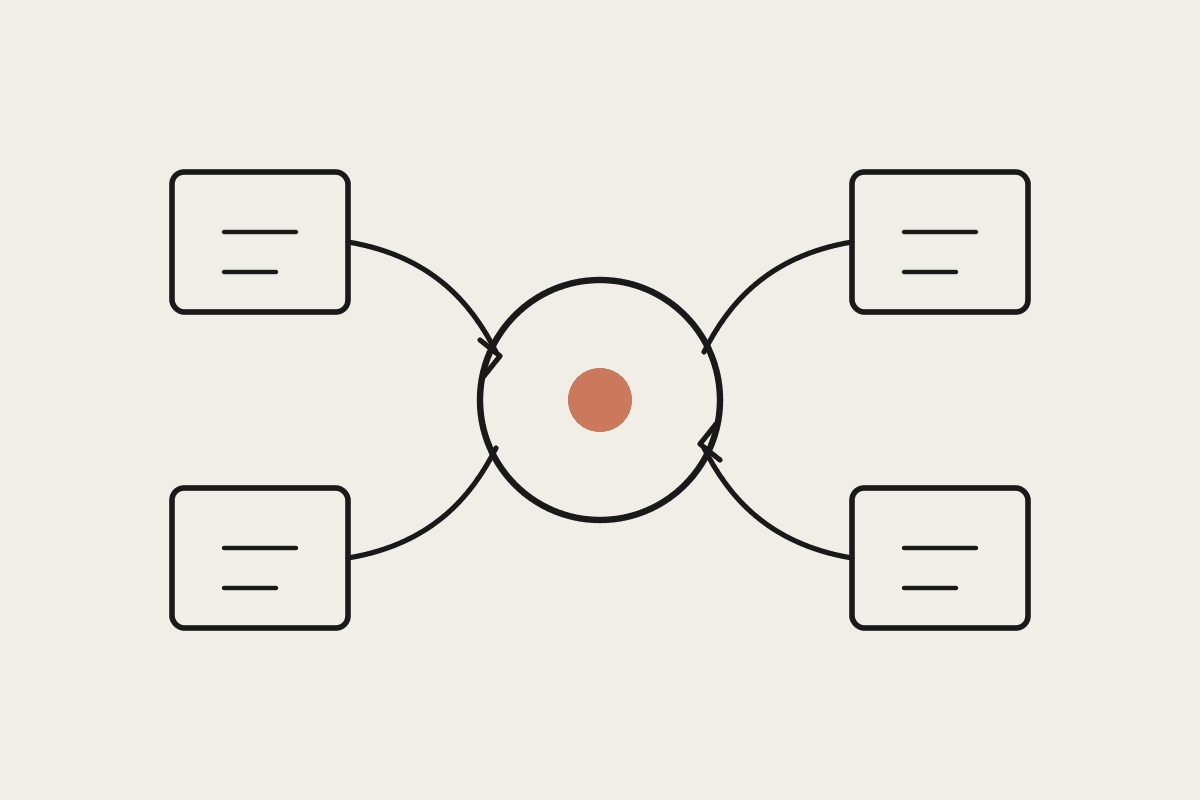
The follow-up sequence works best pulling directly from your booking or practice-management software's no-show flag, rather than someone manually noting who missed an appointment at the end of a busy day. That connection is usually the first thing worth setting up, before any drafting logic, because the sequence is only as reliable as the trigger feeding it.
What staff notice once it's running
Reception and front-desk staff, who usually carry the awkward job of chasing no-shows verbally, tend to be the biggest advocates for this once it's set up, because a large share of the uncomfortable follow-up calls simply stop being their job. The sequence handles the routine cases; staff time goes to the genuinely tricky ones.
What this isn't
This isn't a way to pressure clients back into appointments they've genuinely decided not to attend, and it isn't a substitute for asking, occasionally, whether your actual appointment times or booking process are the real reason people are missing slots in the first place.
Getting started
Check your current no-show recovery rate over the last three months, if you're not tracking it, that's the first fix
Build a three-touch sequence: same day, three days, two weeks
Connect it to your booking system's no-show flag so it triggers automatically
Flag repeat no-shows for a person to review rather than automating the fourth touch
A well-run follow-up sequence rarely eliminates no-shows on its own, that is what the reminder side of the system is for, but it reliably closes the second, quieter leak: the client who was never rude or difficult about missing an appointment, just never heard from you again and drifted to whoever did reach out.
Track the recovery rate for the first quarter after launch, the percentage of no-show clients who rebook within thirty days, and compare it against the three months before. That single number tells you quickly whether the sequence is earning its keep or needs a tone adjustment.
If missed appointments are quietly costing you clients rather than just slots, this is a straightforward fix. Get in touch: https://www.automataai.com.au/contact