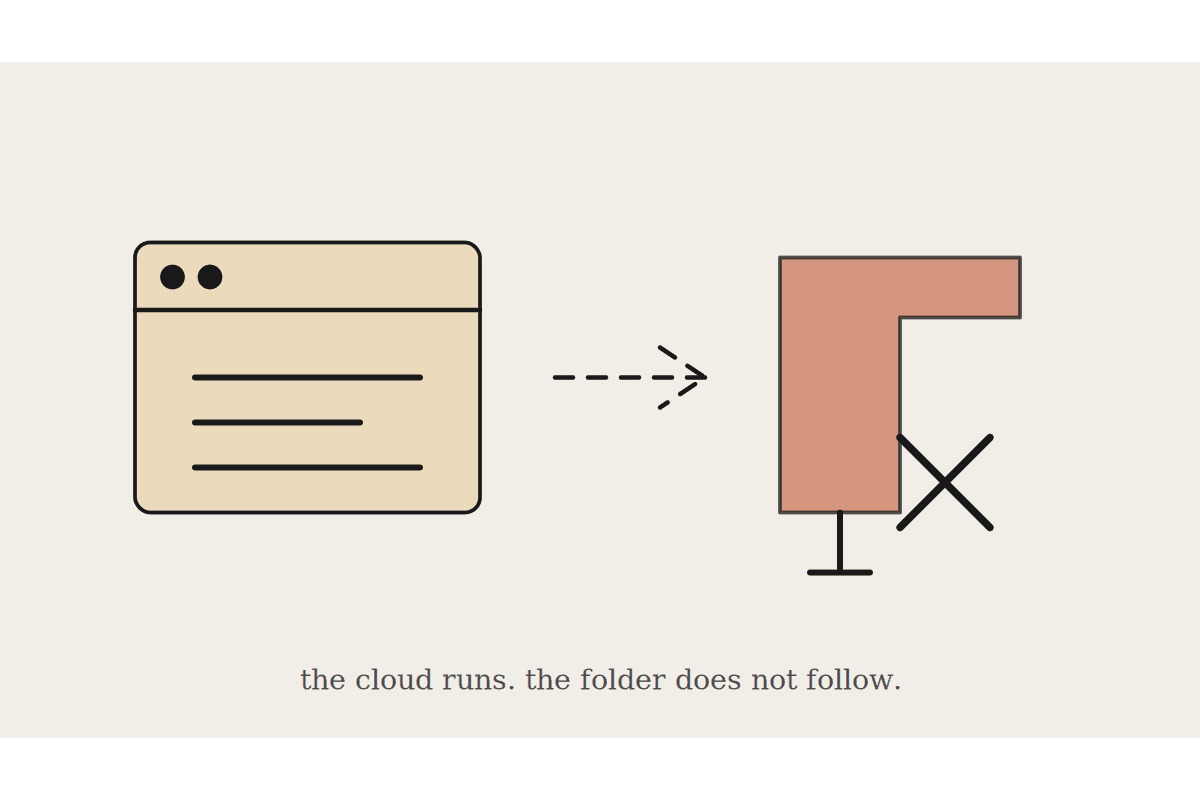
This is specifically about the formatting and structuring problem, not content generation, taking numbers a business already has, from an accounting system, a CRM, a project tracker, and turning them into the same clean, consistently-structured report every week or month without someone manually rebuilding the layout from a spreadsheet export each time.
Why formatting eats more time than the numbers themselves
This is a genuinely common gap across Australian small and mid-sized businesses running any kind of recurring client or board reporting; the underlying accounting or CRM data is almost always accurate, the complaint is never about wrong numbers, it is specifically that the presentation looks different depending on who assembled it that cycle, and that inconsistency is what actually erodes a reader's confidence over time.
Pulling the underlying figures is often the fast part; the slow part is getting them into the specific layout a stakeholder expects, the right headings in the right order, figures rounded and formatted consistently, a particular chart style, because a report that looks different week to week, even when the numbers are correct, reads as sloppy and erodes confidence in the data itself regardless of how accurate it actually is.
A fixed report template with consistent section order, headings, and number formatting every time
Automatic pulling of current figures from the source system, no manual copy-paste from an export
Consistent chart or table styling that doesn't drift week to week depending on who built it
A short, automatically generated summary paragraph highlighting what actually changed since last time
Getting the template right once, so it never needs rebuilding
The upfront investment worth making is a genuinely locked-down template, exact section order, exact number formatting rules, agreed once with whoever receives the report, rather than a loose structure that drifts slightly every time it's rebuilt. A locked template is what makes the automation reliable long-term; a loose one just moves the formatting inconsistency from manual to automated without actually fixing it.
A Perth engineering consultancy had three different staff members rotating through building the monthly client billing summary, and the report's exact structure, which figures appeared in which order, whether variance was shown as a percentage or a dollar figure, drifted noticeably depending on who built it that month, generating repeated client questions about why the report looked different from the previous month's. Locking a single template and automating the monthly pull against it eliminated the drift entirely, and the practice manager estimated it recovered roughly $6,200 a year in report-building time across the rotating staff, on top of the harder-to-quantify but real improvement in how the reports were received by clients who no longer had to mentally re-orient themselves each month.
Handling the exception that breaks the template
A report template built for the normal case will eventually hit a genuine exception, a client with an unusual billing arrangement the standard template doesn't quite fit, and the practical answer is a small, explicitly-flagged exception path rather than forcing every case through one rigid template or rebuilding the whole system for a rare edge case; most businesses need this for a small handful of accounts, not the majority.
Version-controlling the template itself
A locked template still needs occasional deliberate changes, a new metric a client's started asking for, a formatting tweak requested by the board, and treating those changes as a version-controlled, deliberate decision rather than letting whoever's building that month's report quietly tweak the layout keeps the template's whole value proposition, consistency, intact rather than slowly eroding back toward the drift it was built to eliminate.
Keeping the summary paragraph genuinely useful
An automatically generated "what changed" summary is only valuable if it actually highlights something a reader wouldn't have noticed at a glance, not a generic restatement of the numbers already shown in the table below it; tuning the summary to flag genuine variance beyond a defined threshold, rather than commenting on every number regardless of whether it moved, keeps it worth reading rather than becoming filler text nobody bothers with.
What this isn't
This is the formatting and structuring layer specifically, distinct from report content generation covered elsewhere; this assumes the underlying figures are already correct and solves the presentation-consistency problem on top of them.
Automata AI builds locked-template report automation for Australian businesses tired of a report's layout drifting depending on who built it that month. Get in touch via /contact with a sample of your current report and a note on who currently builds it, and we will show you the exact template we would lock it to before anything changes.