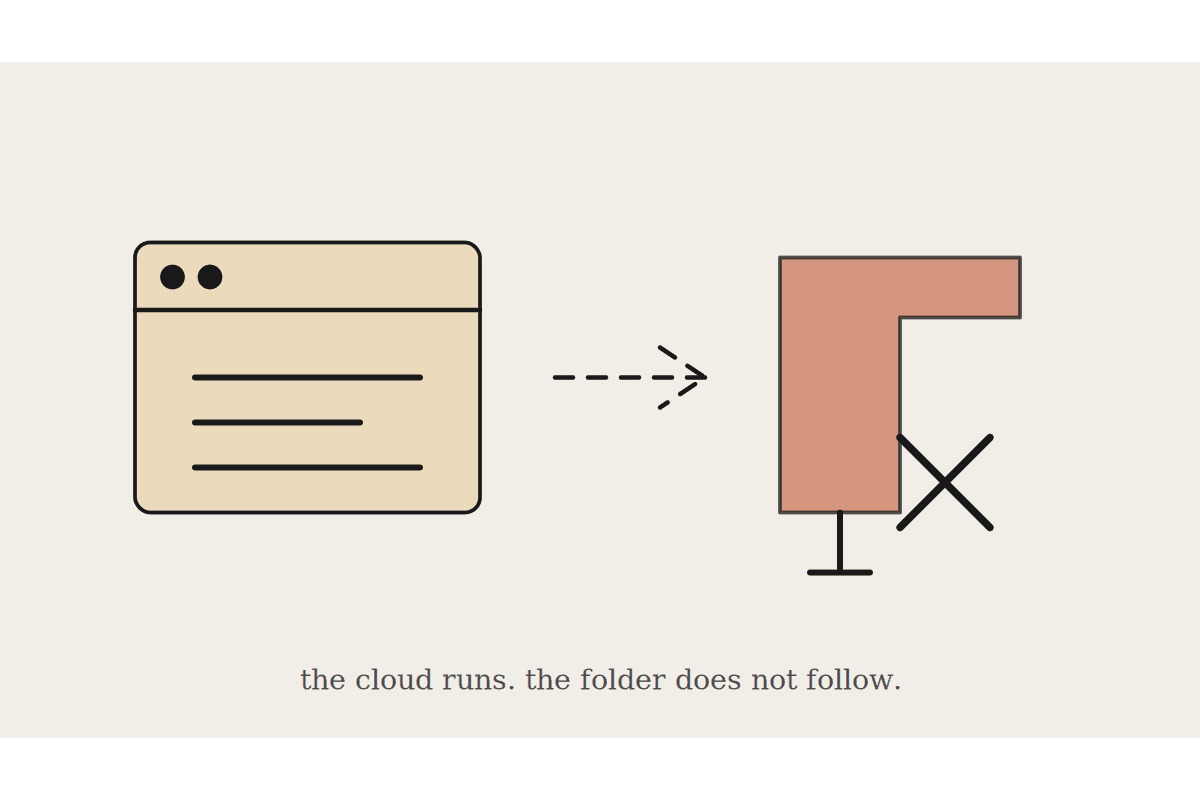
A refund request workflow that requires a human to open a support inbox, manually check the order and payment history, and process the refund by hand is slow for the customer and tedious for whoever's handling it, and the fix isn't full automation straight to a processed refund, it's automating everything up to a clear, fast approval decision, with the actual money movement staying behind a deliberate human checkpoint.
Why full automation to a processed refund is the wrong target
This distinction matters more for Australian retailers than it might first appear, since refund disputes that escalate to a chargeback carry a real cost beyond the refund amount itself, a chargeback fee plus the administrative burden of contesting it, and a business that has clearly documented human review on every refund is in a meaningfully stronger position if a dispute is ever escalated further than one that processed everything automatically without any record of a considered decision.
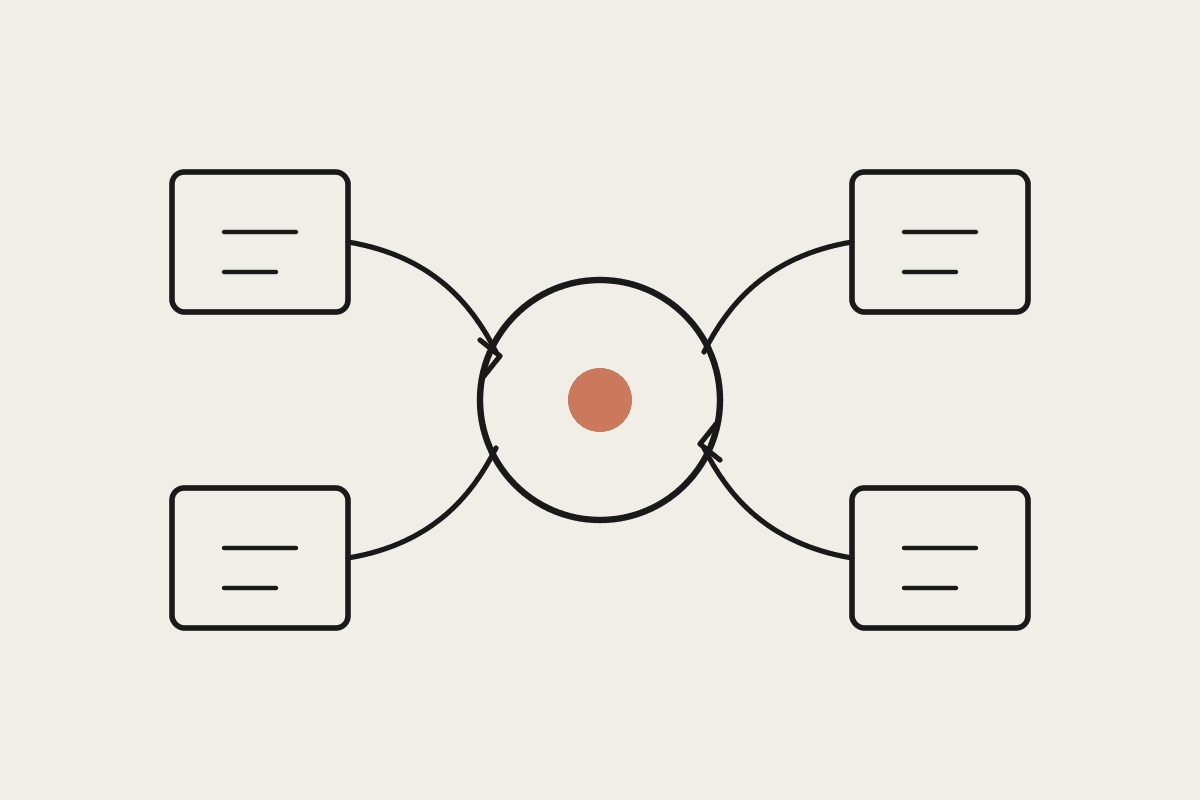
A refund that processes automatically without any human review is a genuine fraud and error risk, a customer disputing a legitimate charge, a request that doesn't match the order on file, a pattern of repeat refund requests worth a closer look before another one goes through automatically. The valuable automation target isn't removing the human decision, it's removing everything tedious that happens before that decision, so the person approving it can do so in seconds with full context rather than minutes of manual lookup.
Automatic pulling of order history, payment method, and any prior refund history for the requesting customer
A clear summary presented for approval: what's being requested, against what order, and any flags worth noting
A one-click approve or decline step for the person actually authorised to process refunds
Automatic processing only after that explicit human approval, never before it
What actually speeds up, and why it still feels fast to the customer
The customer doesn't experience the difference between full automation and automated-prep-plus-fast-human-approval nearly as much as the business might assume, because a well-built version of the second approach still turns a same-day or next-day manual process into a same-hour one, most of the improvement in speed comes from removing the lookup and formatting tedium, not from removing the actual approval decision itself.
A Brisbane online retailer had one staff member handling refund requests manually each day, a task that involved separately opening the order system, the payment processor, and the customer's support history for every single request, typically taking eight to twelve minutes per refund even for straightforward cases. Automating the lookup and summary step, with the staff member's role narrowed to reviewing the prepared summary and approving or declining, cut average handling time to under two minutes per request, and the retailer estimated it recovered roughly $6,500 a year in staff time while customers noticed refunds landing noticeably faster, since the same-day queue that used to build up by mid-afternoon simply stopped forming.
Setting sensible auto-flag thresholds
Not every refund request needs the same scrutiny; a small, straightforward refund matching a recent, verified order can move through review in seconds, while a request involving an unusually large amount, a customer with several recent refund requests, or a mismatch between the request and the order on file deserves a clearer flag and a slower, more careful look, and building that distinction into the summary the approver sees, rather than presenting every request identically, is what makes the fast cases genuinely fast without weakening scrutiny on the ones that need it.
Handling a decline gracefully
Not every refund request should be approved, and the workflow needs a clear, reasonably-worded decline path that explains the reason back to the customer, rather than a system built only around the approval path with declines handled as an afterthought; a poorly-handled decline creates more customer friction than the entire process was meant to remove in the first place.
What this isn't
This is a prep-and-approval workflow specifically, distinct from a fully automated instant-refund system some platforms offer; this deliberately keeps a human in the loop on every single refund, trading a small amount of speed for a meaningful reduction in fraud and error risk.
Automata AI builds refund-request workflows for Australian retailers that speed up the lookup without removing the human approval step. Get in touch via /contact with your current average handling time and typical monthly refund volume, and we will show you exactly what is realistically achievable to cut it to, without weakening scrutiny on the handful of cases that genuinely need a closer look before approval.