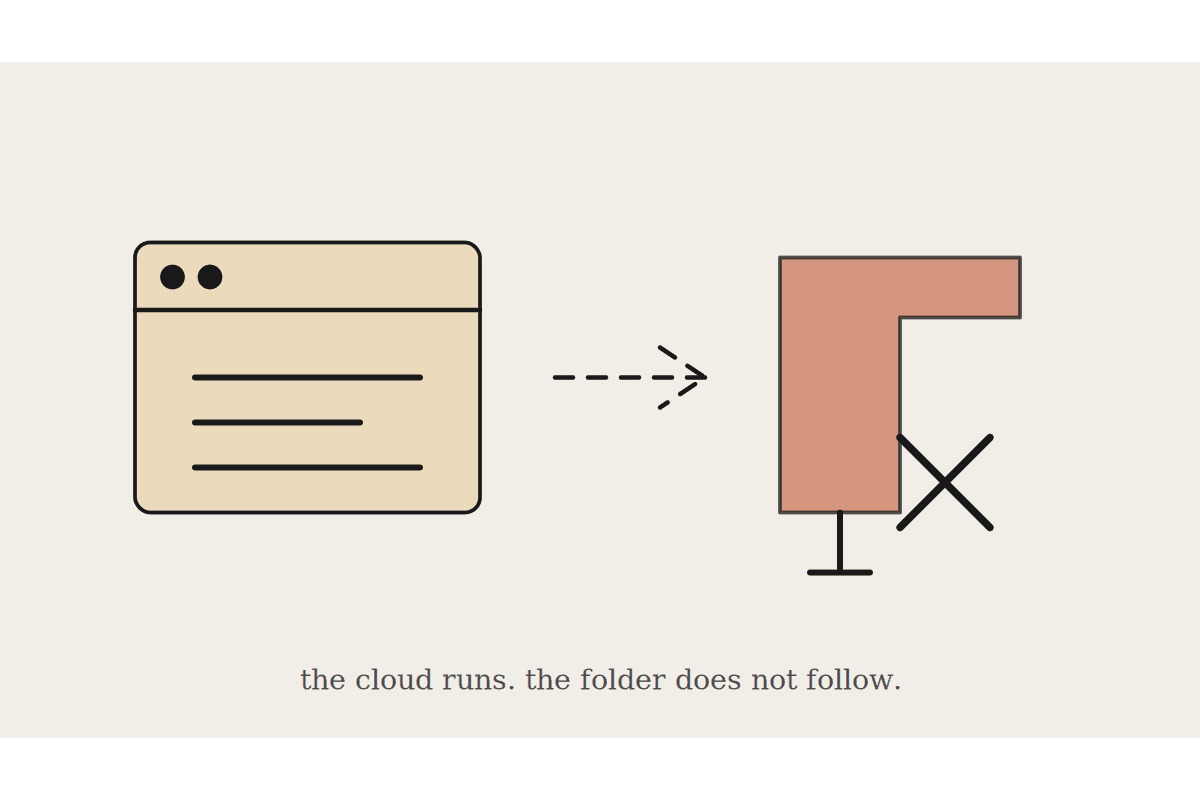
Missing a tender or grant deadline by a day doesn't get you a second chance. It gets you excluded, full stop, regardless of how strong the submission would have been. Yet deadline tracking for tenders and grants is still, in a lot of organisations, a spreadsheet someone half-remembers to check, or a calendar reminder set once and forgotten when the deadline shifts (which government tenders and grant rounds do, often). The organisations that get burned by this aren't usually disorganised in general, they've just never had anyone whose actual job is watching for the date changes buried in addenda and portal updates. That's a genuinely tedious, low-status job to hand a person, which is exactly the kind of task worth automating rather than assigning to whoever has the least seniority to say no.
Why deadline tracking fails even with good intentions
The problem isn't usually the first deadline entry, it's the maintenance. Tender addenda change close dates. Grant rounds get extended or brought forward. A portal notification arrives buried in an inbox that also gets fifty other emails a day. By the time someone notices the date moved, the team's planning against a deadline that no longer exists, which is worse than not tracking it at all because it creates false confidence.
Every open tender or grant tracked with source, close date, and submission owner in one place
Portal and email notifications scanned for date changes, not just the original listing
A tiered reminder schedule (four weeks, one week, 48 hours) rather than a single alert
A weekly digest of what's coming up, sent whether or not anyone remembers to check
Setting this up as a Cowork scheduled task
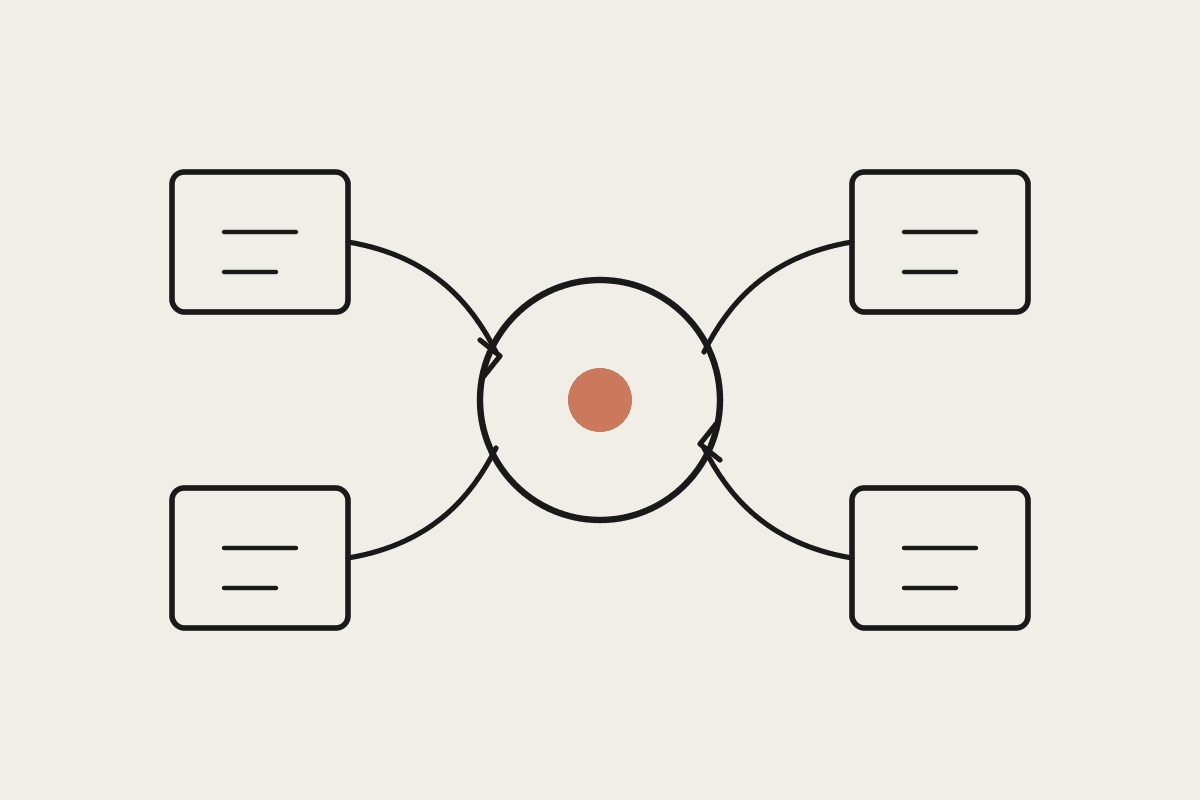
The practical build is a scheduled task that checks the relevant tender portals and grant-body mailing lists your organisation monitors, extracts deadline information, and cross-references it against what's already tracked to catch date changes rather than just new listings. Where it gets useful is the reminder tiering: rather than one calendar alert that gets dismissed and forgotten, a structured cadence that escalates as the deadline approaches, with the final 48-hour reminder going to whoever owns the submission specifically, not the whole team.
A regional NFP that regularly applies for state and federal grants had missed two grant rounds in eighteen months purely on timing, not merit, including one round worth an estimated $60,000 in program funding that would have materially changed their next year's service capacity. After setting up tiered deadline tracking across their active grant pipeline, they went a full year without a timing-related miss, and the program lead reported the four-week advance warning gave enough runway to actually write a considered application instead of a rushed one.
Keeping the tracking list itself trustworthy
A deadline tracker is only as good as its coverage, so it's worth being deliberate about which portals and mailing lists actually feed it rather than assuming one central source catches everything. Local council tenders, state grant programs, and federal funding rounds often live on entirely separate systems with no cross-notification between them, and missing a source is just as costly as missing a date change within a source you do track.
Building the source list properly the first time
Before any automation goes in, it's worth an afternoon mapping every portal, mailing list, and contact your organisation has historically used to find tender and grant opportunities, because that list becomes the actual scope of what gets tracked. Organisations that skip this step and just wire up the one or two sources they think of first often discover months later that a relevant program was running on a portal nobody had added, which defeats the purpose of automating deadline tracking in the first place. Revisit that source list roughly twice a year, since portals and funding programs change often enough that a list built once and never revisited slowly goes stale in the same way the manual process it replaced did. A short standing calendar reminder for that review is a small enough cost against the size of a missed grant round to be worth setting up on day one.
What this isn't
This tracks deadlines, it doesn't write the tender or grant submission itself, and it shouldn't be treated as a substitute for the actual writing and review time a strong application needs. Getting the deadline right just buys back the time to do that writing properly instead of in a last-minute scramble.
Automata AI sets up tiered deadline tracking in Cowork for Australian businesses and NFPs chasing tenders and grants. If a missed date has cost you a round before, get in touch through /contact.