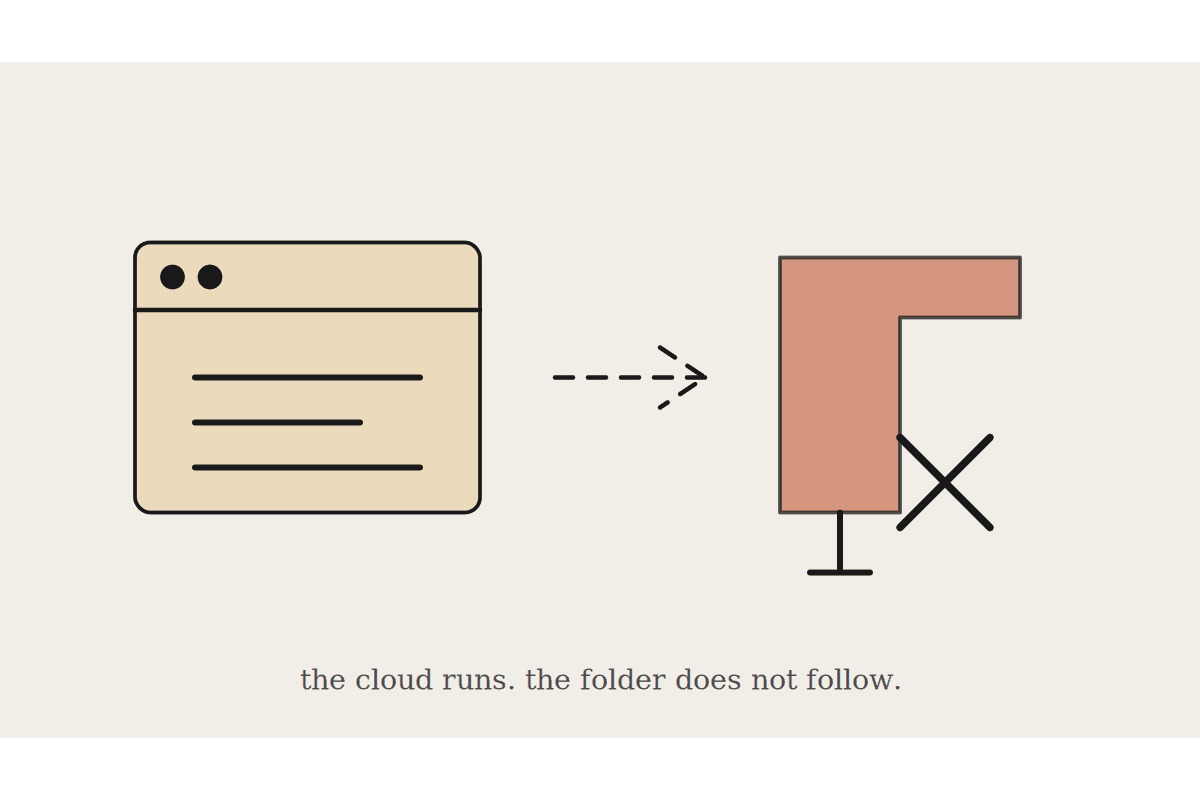
Chasing timesheets is one of those small, unglamorous admin tasks that costs more in relationship friction than actual time, because the person doing the chasing ends up sounding like a nag by Thursday afternoon, and the staff member being chased tunes out reminder number three just as reliably as they ignored reminder number one. Automating the chase doesn't remove the friction entirely, but it does remove the personal, relationship cost of being the one who has to keep asking.
Why manual chasing damages more than it fixes
This is a small problem individually but a real one in aggregate for a growing Australian business; a manager spending even twenty minutes a week chasing timesheets across a team of ten adds up to a genuine chunk of a working week over a year, time that's rarely tracked as a cost anywhere because it's scattered in small increments rather than showing up as one visible line item.
A manager sending the same reminder message to the same three chronically late staff members every single week trains everyone involved that the deadline is soft and the reminder is background noise, while simultaneously costing the manager social capital every time they have to play enforcer over something as small as a timesheet. Automating the reminder removes the personal edge from the ask, since a system prompt reads differently to a manager's third personal nudge that week.
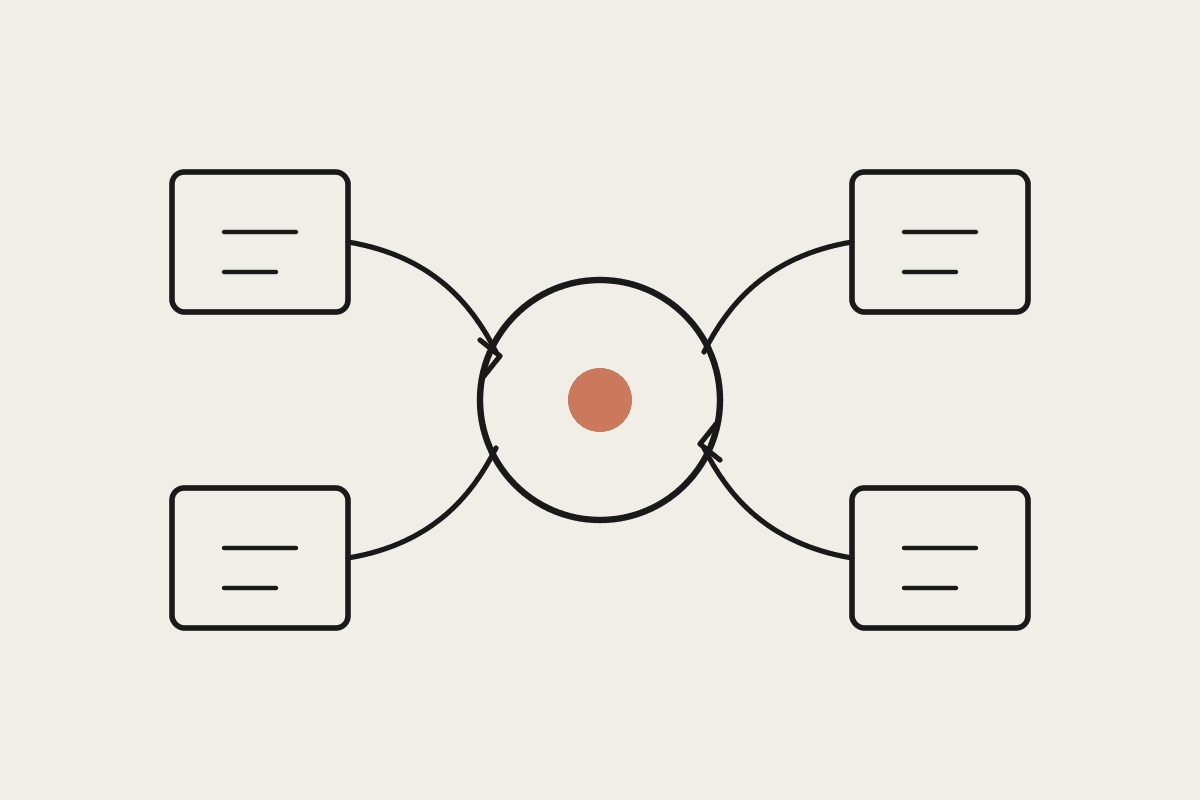
A scheduled check against timesheet submission status, run automatically each week, not manually
A first, neutral reminder sent automatically at a fixed point before the deadline
An escalating tone only for genuinely repeat late submitters, not applied uniformly to everyone
A manager summary showing only the names still outstanding after the automated reminders, not the full list
Getting the escalation right, so it doesn't just become a different kind of nagging
An automated reminder that fires identically every week regardless of whether someone's late for the first time or the tenth time just becomes automated nagging instead of manual nagging, which doesn't actually solve the underlying relationship problem. The setups that work distinguish a first-time miss, worth a light, friendly nudge, from a genuine pattern, worth a different message and a flag to the manager, so the system's tone actually reflects the situation rather than treating every late timesheet identically.
A Perth civil engineering firm with around forty field staff had one payroll administrator manually chasing late timesheets every Friday, a task that consistently took most of the afternoon and had become a genuine source of tension between payroll and a handful of repeat-offender field staff who'd grown used to ignoring the first two reminders. Automating the first two reminder rounds, with the payroll administrator only stepping in personally for the small group still outstanding after both automated rounds, cut the weekly task from an afternoon to about twenty minutes, and the firm estimated it recovered roughly $9,500 a year in administrator time, alongside a noticeably less tense Friday for everyone involved.
Keeping the system from becoming its own annoyance
A reminder that arrives at an inconvenient time, mid-shift for field staff who can't check messages until they're back at the depot, gets resented regardless of how well-worded it is; timing the automated reminder to when the recipient can actually act on it, not just when it's administratively convenient to send, matters more to how it lands than the wording ever does.
A note for Australian businesses on award and enterprise agreement timing
Timesheet deadlines for Australian businesses often tie directly to payroll cut-off requirements under a relevant award or enterprise agreement, which makes a late timesheet a genuinely higher-stakes problem than it might seem, since a missed payroll run affects real pay dates for real staff, not just an administrative inconvenience. Building the automated reminder schedule around the actual payroll cut-off, with enough buffer for the manual escalation step to still work before that cut-off, rather than an arbitrary weekly deadline, keeps the automation tied to what genuinely matters.
What this isn't
This is about the reminder and escalation workflow specifically, distinct from payroll processing itself or broader workforce management; this solves the chasing problem, not what happens with the timesheet data once it's actually submitted.
Automata AI builds timesheet-chasing automations tuned to your actual repeat-offender pattern, not a one-size reminder blast, for Australian businesses running any award-linked payroll cut-off. Get in touch via /contact and tell us who's currently getting chased weekly, we'll build the escalation logic and the payroll-cutoff timing around them specifically, tuned to your actual award or enterprise agreement deadlines rather than an arbitrary weekly date.