Most small businesses produce more raw content than they realise, a blog post, a client case study, a webinar recording, a long LinkedIn post someone drafted once, and then let almost all of it die in its original format because turning one piece into five channel-appropriate versions feels like its own separate project every single week. The content itself was often the hard part; reformatting it for Instagram, LinkedIn, a newsletter blurb, and a short video script is comparatively mechanical work that keeps getting skipped anyway because nobody on a small team ever quite has a spare afternoon free of something more urgent.
Why repurposing keeps losing to the calendar
The problem isn't that repurposing is conceptually hard, it's that it's tedious in a very specific, easy-to-underestimate way: taking one long-form piece and genuinely adapting it (not just copy-pasting a chunk) into the tone, length, and format each channel actually rewards takes real attention to each platform's conventions. Skipping that adaptation and posting the same block of text everywhere gets weaker engagement than a channel-appropriate version would, which quietly undermines the case for repurposing at all in a team's mind, even though the real problem was doing it lazily rather than doing it at all, a distinction that's easy to lose once the whole exercise starts to feel like it isn't worth the effort.
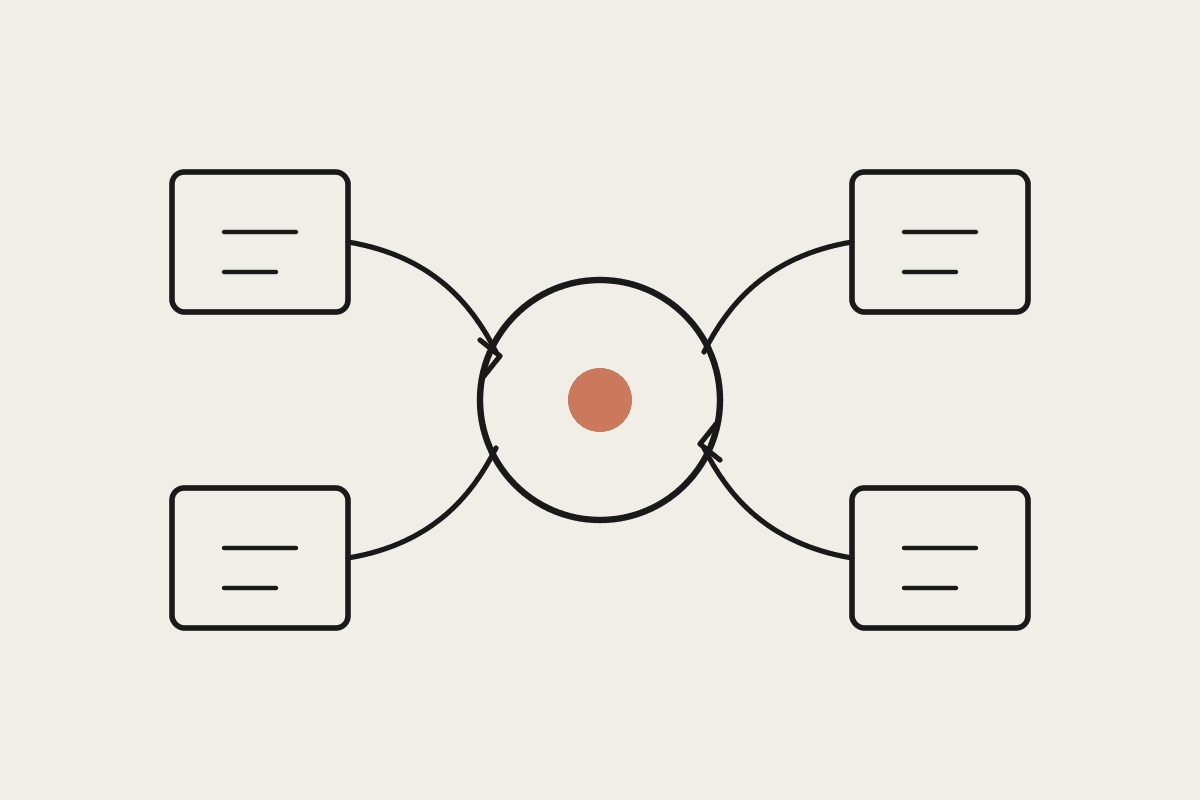
One long-form source piece (blog post, case study, webinar) turned into channel-specific drafts, not copy-paste duplicates
LinkedIn, Instagram caption, newsletter blurb, and short-form video script each adapted to that channel's actual conventions
A weekly batch process, not a scramble the day a new piece goes live
Every draft queued for human review and approval before anything posts, always
Setting up a Cowork workflow that respects each channel
The pattern that works is a scheduled weekly task that checks for new long-form content (a published blog post, a completed case study) and drafts channel-specific versions from it, each one genuinely reworked for that platform's length, tone, and format rather than a trimmed copy of the same text. LinkedIn gets a professional, slightly longer take with a clear takeaway; Instagram gets something punchier and more visual-first; the newsletter gets a short, scannable blurb with a link back for anyone who wants the full piece. All of it lands as drafts in a queue for a human to review, edit if needed, and approve before it goes anywhere, which matters because tone missteps on social media are exactly the kind of mistake that's hard to walk back cleanly.
A Sydney design studio publishing one solid blog post a month was getting essentially zero secondary mileage from that content beyond the blog itself, despite each post representing real research and writing time. After setting up weekly repurposing drafts covering LinkedIn, Instagram, and their newsletter, the studio's social engagement from that same content roughly tripled over the following quarter, and the studio owner estimated the time saved versus manually repurposing each piece at around 6 hours a month, worth close to $7,800 a year against her own billable rate, time that now goes straight back into client work instead.
Getting each channel's voice right, not just its format
The easy trap is treating repurposing as reformatting: same words, different length. The version that actually performs treats it as genuine re-adaptation, LinkedIn readers expect a different register to Instagram followers, and content that reads as obviously repackaged tends to underperform content that was written with that specific audience in mind from the start. Feeding the automation a short brief on each channel's actual voice, not just its character limit, is what separates repurposed content that performs from content that just technically exists on more platforms.
Choosing which piece of content to repurpose
Not everything published deserves the full repurposing treatment; a piece that's genuinely resonating, judged by early engagement or direct client feedback, is worth the effort far more than routine content published mostly to keep a publishing cadence. Flagging which pieces get the full multi-channel treatment, rather than repurposing everything indiscriminately, keeps the output quality genuinely high and avoids diluting every channel's feed with reformatted versions of content that was never that strong to begin with.
What this isn't
This doesn't replace an actual content strategy or decide what to create in the first place; it only works once there's genuinely good long-form content to repurpose from. Feeding it thin or low-value source content just produces thin, low-value content across five channels instead of one.
Automata AI sets up weekly content repurposing workflows for Australian small businesses, always with human review before anything posts. Get in touch through /contact if your content's only getting used once.