Payroll errors are expensive in a way most business mistakes aren't: they're visible to every employee immediately, they're hard to walk back gracefully, and in Australia they carry real compliance exposure under the Fair Work Act if underpayments accumulate unnoticed over successive pay cycles without anyone catching the pattern. Yet payroll prep, checking timesheets against rosters, catching missing approvals, verifying leave balances before they're drawn down, is still largely a manual weekly grind in a lot of small and mid-size businesses, squeezed into whatever hour someone can find between more visible, more urgent work.
Where weekly prep checks actually catch problems
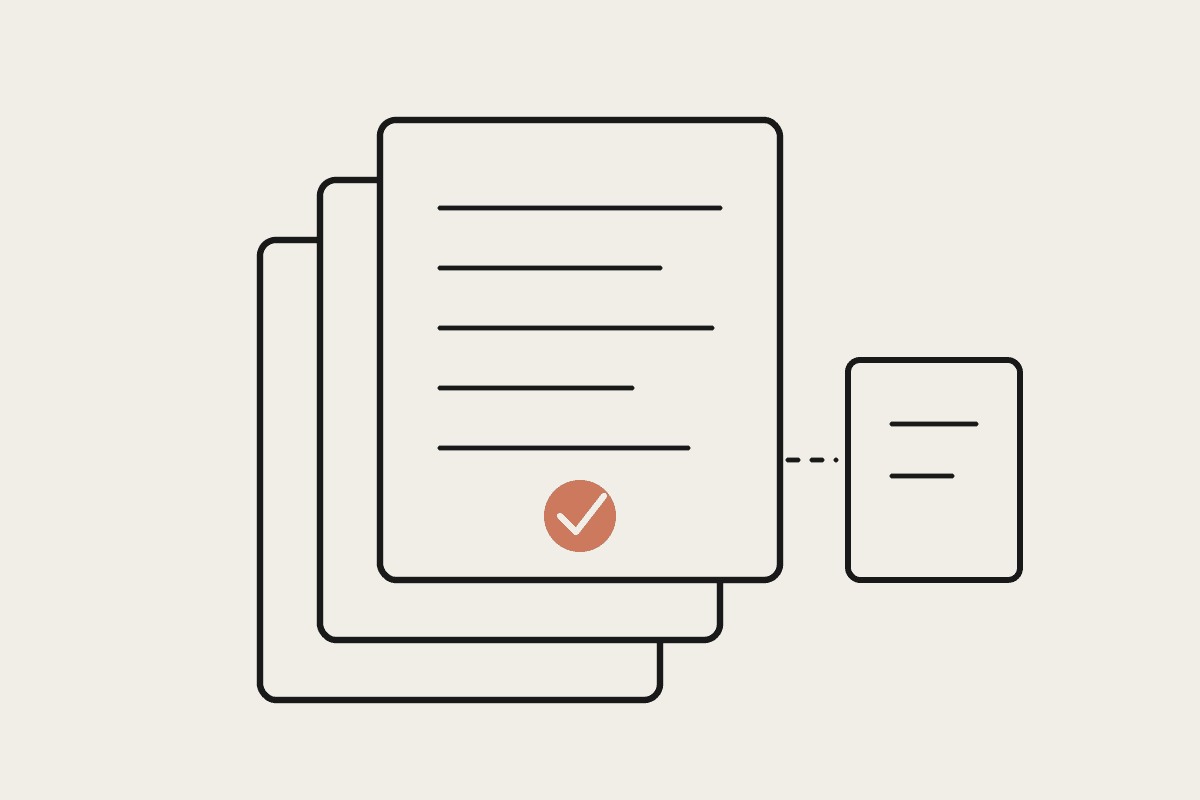
The value here isn't in replacing your payroll software's calculations, it's in catching the upstream data problems before they become a payroll error, which is a narrower and considerably safer scope than automating payroll itself. A timesheet that's missing manager approval, a roster and a timesheet that don't match for the same shift, an employee whose leave balance doesn't support the leave they've requested, all of these are catchable a full day before pay run if someone's actually checking systematically rather than discovering the mismatch when the pay run itself throws an exception, at which point fixing it means an urgent scramble rather than a calm correction with time to spare.
Timesheets cross-checked against rosters for the week, with mismatches flagged before submission
Missing manager approvals surfaced early, not caught the morning payroll is due to run
Leave balances verified against requested leave before it's processed, catching negative-balance issues in advance
A weekly summary of what's outstanding sent to whoever owns payroll, rather than relying on memory
Setting this up without touching the actual pay calculation
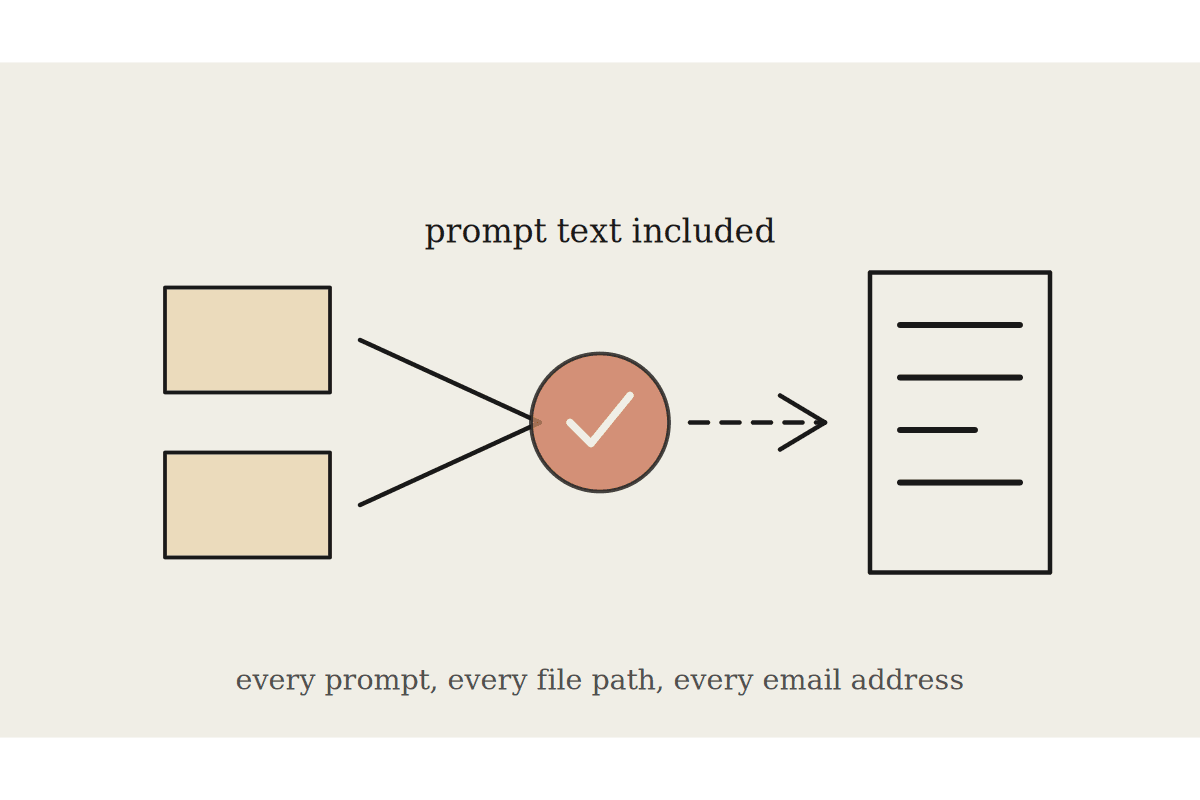
The safest and most useful scope here is entirely upstream of the payroll run itself: reading timesheet and roster data via connectors, cross-referencing for mismatches, and surfacing a clean checklist a few days before pay run rather than the morning of. This deliberately stays out of actually calculating or processing pay, which stays with your payroll software and whoever's responsible for running it; the automation's job is making sure the inputs to that process are clean before it starts.
A Newcastle hospitality group running payroll across four venues and around 90 casual and part-time staff, a headcount that fluctuates constantly with the roster, had been catching timesheet-roster mismatches during the pay run itself roughly every second week, each one costing 20 to 30 minutes of urgent back-and-forth with venue managers to resolve before payroll could be finalised on time. After setting up a weekly Wednesday prep check (three days ahead of their Friday pay run), mismatches started getting caught and resolved with time to spare, and the group estimated avoiding roughly $6,000 a year in overtime paid to the payroll administrator resolving last-minute issues under deadline pressure, on top of the harder-to-quantify benefit of a payroll administrator who wasn't dreading every second Wednesday.
Why this matters more than it looks like it should
Underpayment issues that go unnoticed for months are one of the more common and costly compliance problems for Australian small and mid-size employers, and they usually start as exactly this kind of small upstream data mismatch that nobody caught in time. A systematic weekly check is cheap insurance against a problem that, left to compound, can turn into a genuinely expensive back-payment and remediation exercise.
Where to start if you're setting this up fresh
Start with just the timesheet-roster cross-check, since it catches the highest-frequency, lowest-effort-to-fix problem, and add leave-balance verification once that first check is running reliably. Trying to build every check at once tends to produce a system nobody trusts yet because none of the individual checks have proven themselves, whereas a staged rollout lets the team build confidence in each piece before adding the next, which matters when the whole point of the check is being trusted enough that people actually act on what it flags.
What this isn't
This doesn't replace your payroll software, your payroll provider, or a qualified person's oversight of pay run accuracy; it's a data-quality check that runs before the process they own, not a substitute for it. Awards interpretation and pay rate correctness still need expert eyes, ideally from whoever already handles that in your business, since getting an award classification wrong is a different and more serious problem than a missed manager approval, and no amount of upstream data-quality checking substitutes for that expertise.
Automata AI sets up weekly payroll prep checks for Australian businesses running casual and part-time rosters. If mismatches are getting caught at the worst possible moment, get in touch via /contact.