Anthropic has published a practical breakdown of what actually drives Claude Code's token cost, and it is a useful checklist for any Australian business running Claude Code seats and watching the bill. The short version: being efficient with tokens does not mean using fewer of them, it means making sure the ones you spend go toward the task you actually asked for.
What sets the price of a token
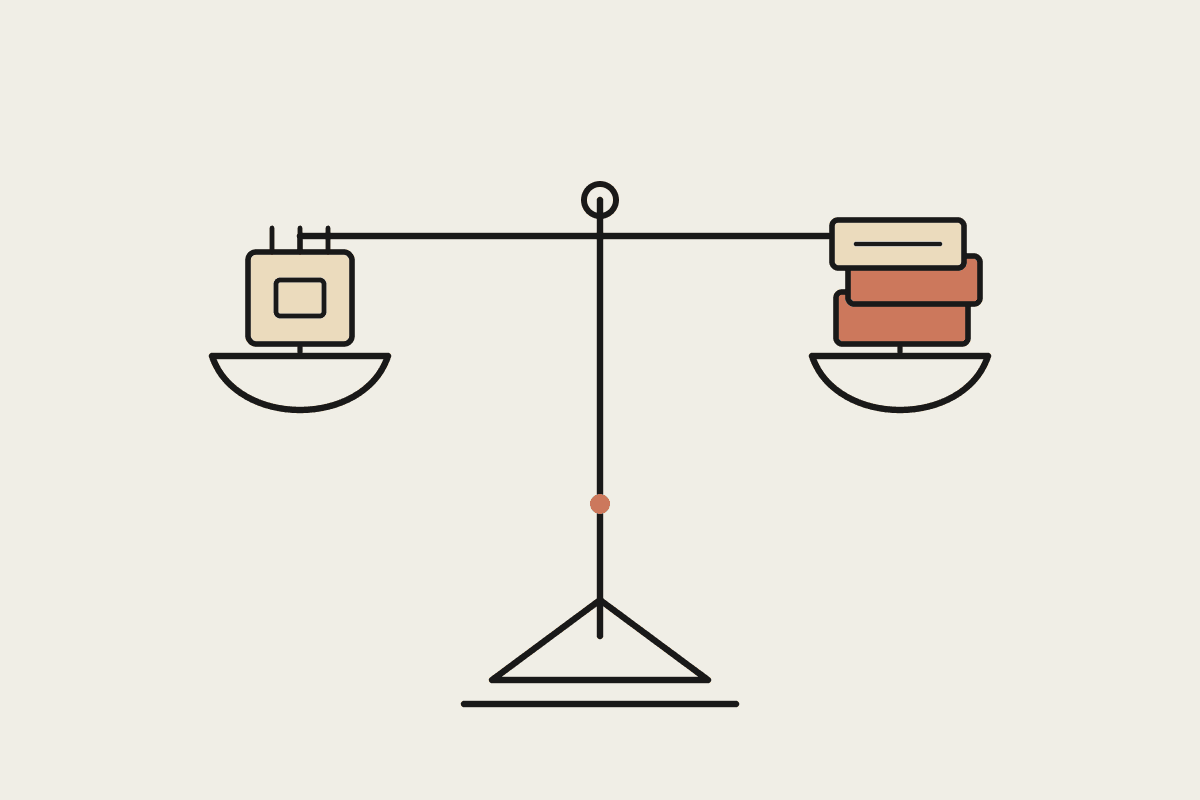
Three things decide it: which model is doing the work, whether the token is going in (input) or coming out (output), and whether it was served from cache. Cached input tokens are far cheaper than fresh ones, which is why session habits matter more than model choice alone. Most teams reach for a cheaper model to cut the bill when the bigger saving is sitting in how they run the session.
Habits that keep sessions cheap
None of these require new tooling. They are just discipline applied consistently:
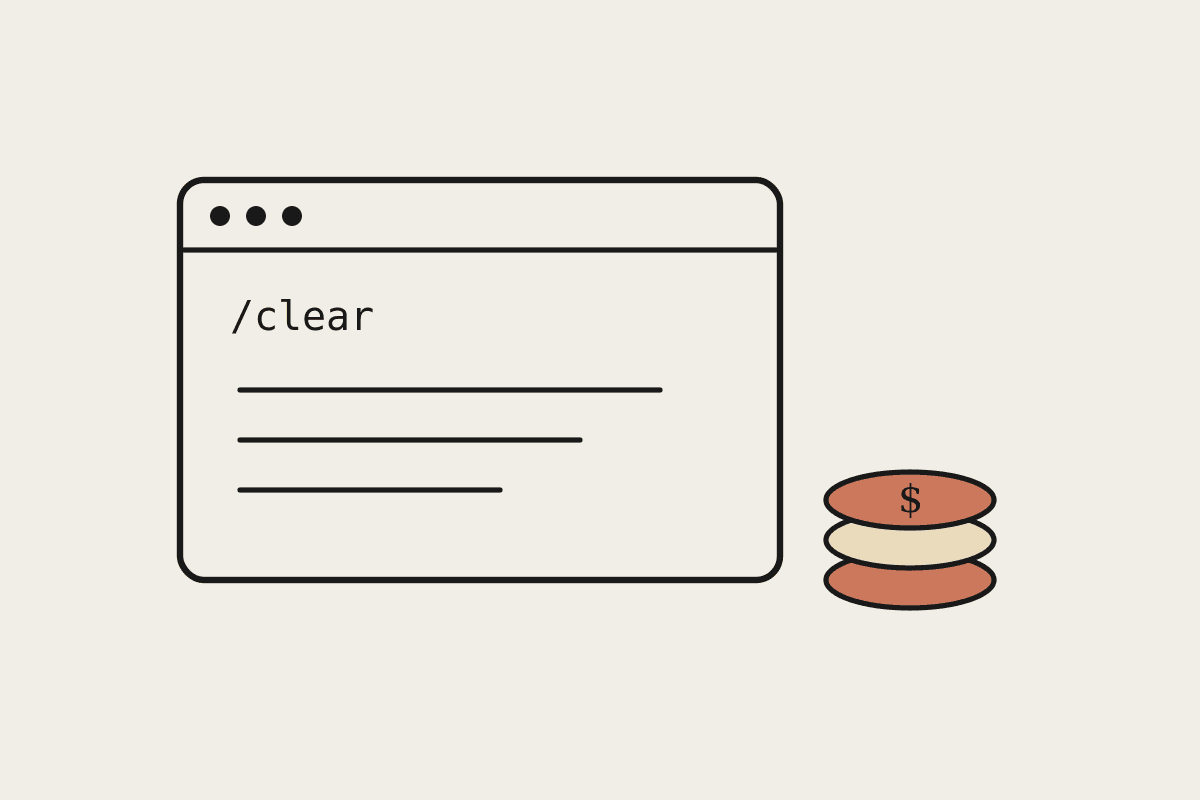
Run /clear between unrelated tasks. Old context otherwise gets sent back to the model on every turn, padding cost for no benefit.
Set the model and effort level before starting, not mid-conversation. Changing either can bust the prompt cache and push cost back to full-price input tokens.
Mention files directly instead of describing them. That attaches the file straight to the message and skips a read or search call Claude would otherwise make.
Add quiet flags to noisy shell commands, or run them in a subagent. Verbose output sits in the conversation for the rest of the session just like a file, staying expensive long after it is useful.
Run /context once in a fresh session to see what is actually loaded (CLAUDE.md, MCP tool definitions) and trim anything unnecessary.
Run /compact before stepping away. The prompt cache expires after an hour, and summarising a conversation is much cheaper while it is still cached than after it goes cold.
Why this matters for AU teams
A team running Claude Code across a handful of engineers can burn through very different token spend for the same amount of shipped code, depending purely on session hygiene, not on how hard the problems are. For a business paying for Claude Code seats at scale, the gap between a disciplined session and a sloppy one can plausibly be the difference between a few hundred dollars and $3,000 or more a month in API spend, with no change in output. That is the kind of waste worth a 30-minute team walkthrough rather than a bigger tooling budget.
A 30-minute team routine that pays for itself
If you manage a team on Claude Code, do not just forward them the tips and hope. Book half an hour, share a screen, and run one real task together the disciplined way: start fresh, set the model up front, mention the files, clear between tasks, compact before a break. Then agree three defaults everyone follows, write them into the team's CLAUDE.md, and move on. The habits stick when they are shared and written down, not when they live in one careful engineer's head.
None of this is a workflow-automation project or a platform change. It is mostly running /clear, /compact and /context as a matter of habit, and being deliberate about when you switch models mid-task. For teams we onboard onto Claude Code, this is usually one of the first things we cover, because it is the cheapest lever available before anyone talks about custom agents.
What the savings look like at seat scale
Put it in money terms. A ten-engineer team on Claude Code might run a $6,000 monthly API bill under loose habits. Tightening session hygiene, clearing between tasks, setting the model up front, keeping the cache warm, routinely trims that by a quarter to a third with no drop in what ships. That is $1,500 to $2,000 a month back, roughly $20,000 a year, for a half-hour habit change and zero new spend. There is no tooling purchase that returns that fast, and it compounds every month you keep the habit.
The reason it works is that most waste is invisible on any single turn. A stale build log or an un-cleared context adds a little to every message for the rest of the session, and across hundreds of sessions a month that quiet tax adds up. You do not feel it turn by turn, which is exactly why it keeps running until someone measures it.
If your Claude Code bill feels high relative to what your team ships, book a session and we will run the walkthrough with your team on your real work.