Is AI automation worth it for a small Australian business? The honest answer is that it depends entirely on which task you automate and how you measure the return, not on AI as a category. Some automations pay for themselves within weeks. Others quietly cost more in maintenance and correction than the time they were meant to save. The difference is rarely the technology itself. It is whether the task was a good candidate in the first place.
The maths that actually matters
It is worth naming the survivorship bias in most AI-automation success stories too: the case studies getting published are, by definition, the ones that worked. Nobody writes a blog post about the automation that quietly got abandoned three months in because nobody accounted for maintenance. A fair answer to "is it worth it" has to include that failure mode as a real possibility, not just the upside.
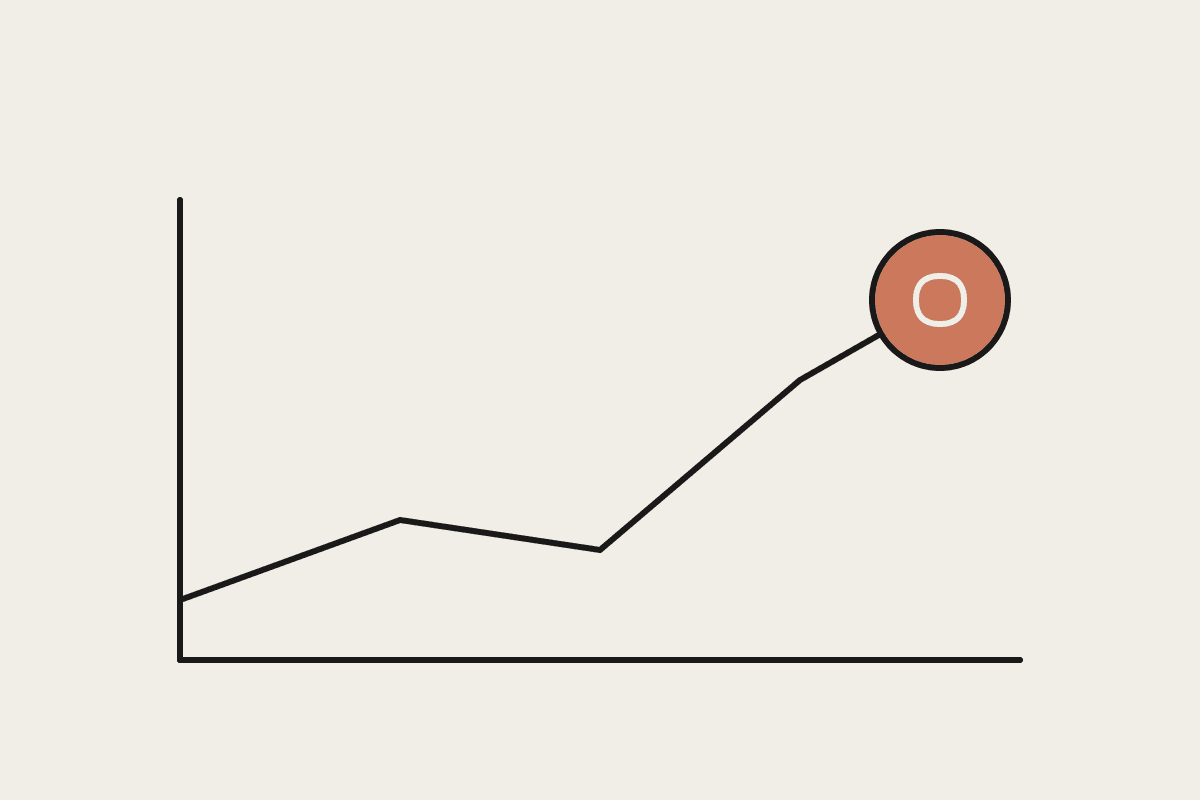
Worth it, for a small business, comes down to a simple comparison: the fully-loaded cost of the automation, build cost plus ongoing maintenance, against the value of the time or error reduction it delivers over a realistic horizon, usually twelve months. A A$4,000 automation that saves five hours a week of a A$35-an-hour staff member's time pays for itself in under five months and keeps paying after that. The same A$4,000 spent automating a task that happens twice a month never gets close to breaking even.
Frequency matters more than complexity, a simple task done daily beats a complex task done monthly on a return-on-investment basis almost every time.
Time saved has to be real, not theoretical, five minutes saved per task only compounds into meaningful hours at real volume.
Error reduction counts as value too, an automation that catches invoicing mistakes before they go out can be worth more than the time it saves.
Maintenance cost is not optional, a workflow needs review when the underlying system changes, and skipping that review is how automations quietly break.
Where the numbers tend to work
Across the AU SMBs we have worked with, the automations that consistently pay off share a shape: high frequency, low judgement, and a clear right answer. Invoice reminders, inbox triage, meeting-note summaries, reconciliation drafts. These are tasks that happen constantly, don't require deep business judgement to execute correctly, and have an outcome a person can verify quickly if something looks off. That combination is what turns a five-figure automation spend into a fast payback rather than a slow-motion sunk cost.
The automations that tend not to pay off share a different shape: infrequent, high-judgement, or built before the underlying process was actually stable. Automating a task a business does twice a quarter rarely clears the maths, regardless of how well it is built. And automating a process that is still changing month to month means constant rework, which erodes the return before it ever materialises.
There is a middle category worth naming too: tasks that are frequent enough to matter but currently done so inconsistently that automating them first requires standardising the process itself. A business chasing invoices via whatever email template whoever is on duty that day feels like writing has a harder automation problem than one with a single agreed reminder sequence. The fix there is not more sophisticated AI, it is agreeing on the process first, then automating the agreed version, which is often a smaller and cheaper step than business owners expect.
A test worth running before spending anything
Before committing budget, run the task manually for a week and time it honestly, then multiply by frequency to get a real annual hours figure. If that figure, valued at a realistic hourly rate, clears the likely build cost within six to twelve months, the automation is probably worth it. If it doesn't clear that bar on paper, no amount of AI capability changes the underlying economics, the task simply doesn't happen often enough to justify the spend yet.
A worked example
A Melbourne trades business was quoting on 40 jobs a month and manually following up every unanswered quote after a week, roughly fifteen minutes per follow-up, forty-five hours a year on that task alone. An automated quote follow-up costing around A$3,000 to build paid for itself inside the first year purely on time saved, before counting the extra jobs won from faster, more consistent follow-up. The same business also considered automating its annual staff performance review process, four reviews a year, heavily judgement-based, and correctly decided against it: the frequency was too low and the judgement content too high for automation to clear the bar, no matter how capable the underlying model.
The Automata AI take
We turn down more automation requests than we take on, specifically the ones where the maths doesn't clear before a line of work starts. A proper return-on-investment scoping conversation, working through frequency, time saved, and realistic build cost, is free and takes about twenty minutes, and it is worth having before committing to anything, whether the number lands at A$2,500 or A$15,000.
Book a brainstorm and we will run the actual numbers on your specific task before you spend anything.