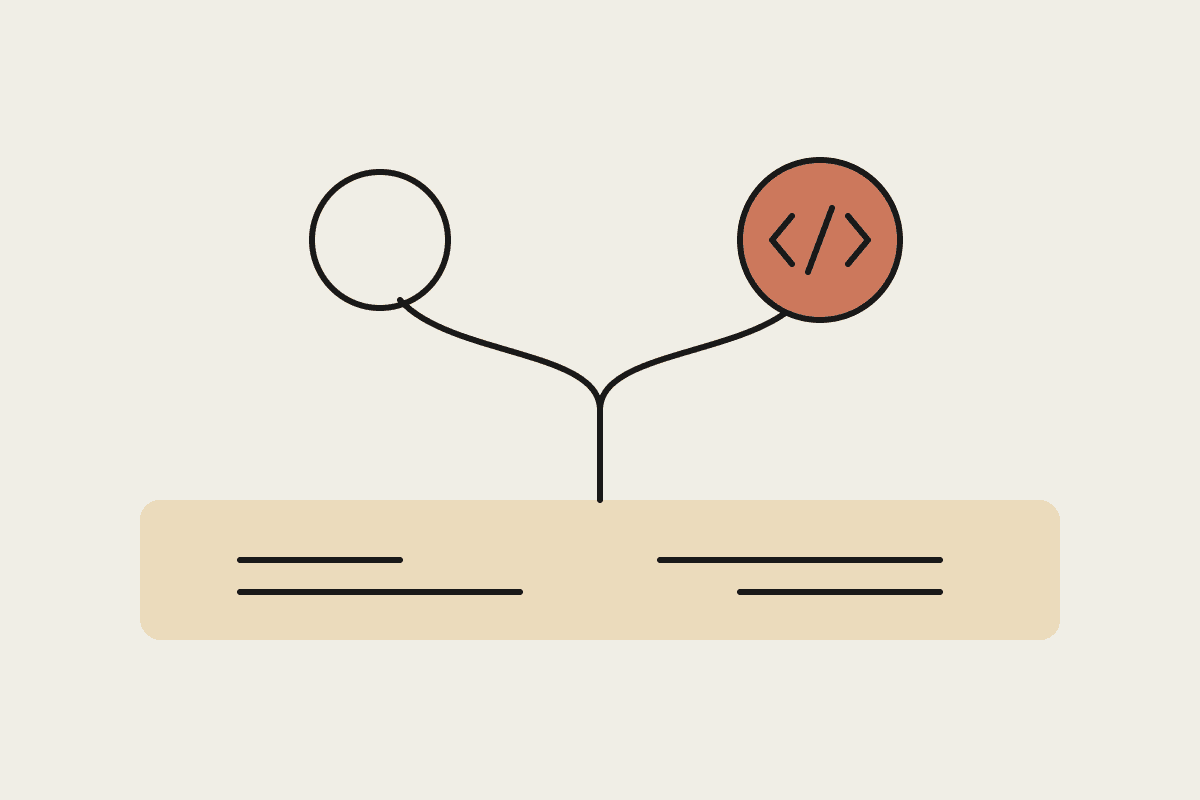
Moonshot AI shipped Kimi K2.7 Code in mid-June, a coding-specialised build of its K2 line, and it confirms a pattern that has been forming all year: open-weight labs are no longer releasing one general model and calling it done. Z.ai ships coding-tuned GLM variants, DeepSeek splits its line into Pro and Flash tiers, and now Kimi has a dedicated code model. For teams choosing tools, the question has shifted from which model to which variant for which job.
The coding-specialist turn is now the pattern
A year ago, picking an open-weight model meant picking a single flagship and hoping it was good enough at everything. That is no longer how the frontier labs release. The market has split model families into purpose-built forks, and coding is the fork attracting the most investment because it is where measurable productivity gains and repeat usage both live.
Kimi K2.7 Code is worth watching for three reasons:
It signals that a serious open-weight lab now treats coding as a first-class release track, not a side capability of a general model
It gives Australian teams with self-hosting or data-residency requirements a credible open alternative to closed coding models
It raises the bar for how carefully you evaluate, because a specialist that looks strong on a leaderboard can still be wrong for your codebase
What a code-specialised variant actually changes
A coding fork is more than a fine-tune with a new name. The differences that show up in daily use are concrete:
Training mix weighted toward repositories, diffs, terminal sessions and tool-use traces, which improves patch quality and reduces malformed edits
Longer stable agentic sessions: planning, editing, running tests and recovering from failures without losing the plot
Better behaviour inside coding harnesses, because the model has seen agent-style interaction during training rather than just static code
The trade-off is generality. Code variants often drift on prose quality and broad reasoning, which is fine until your coding agent needs to read a business requirement properly and infer what the customer actually meant. A model that writes clean diffs but misreads the ticket will cost you more in rework than one that is slightly slower but understands intent.
How to evaluate one without wasting a sprint
Leaderboard scores compress away the details that decide real usefulness. A one-week evaluation on your own repository tells you far more than any public benchmark:
Choose five representative tasks from your actual backlog, not toy problems or puzzles
Fix the harness, whether that is Claude Code, an open-source agent runner, or your editor's agent mode, and change only the model underneath
Measure accepted diffs, test pass rates and human review minutes per task
Note the failure styles: a model that fails loudly is cheaper to supervise than one that fails plausibly
A senior engineer day in Sydney costs $1,200 to $1,600, so a structured two-day evaluation is around $3,000 well spent if it stops a team standardising on the wrong tool for a year. Set against a typical annual tooling and inference bill of $45,000 or more for a mid-sized dev team, that is cheap insurance against an expensive default.
What this means for Australian dev teams
For most Australian businesses the interesting outcome is not that Kimi K2.7 Code beats a closed model on a benchmark. It is that open coding models are now good enough to sit on a real shortlist. If you operate under data-residency constraints, run air-gapped environments, or answer to a regulator like APRA or ASIC on where code and prompts are processed, a self-hostable open coder gives you options a closed API cannot. That flexibility is worth evaluating even if you never deploy it.
The risk is treating open-weight momentum as a reason to switch defaults reflexively. The right move is to keep a stable production default and route specific, well-scoped jobs to a specialist only where a measured evaluation shows a clear win.
There is also an orchestration angle. As families split into general and specialist forks, the durable skill is not picking one model but building a routing layer that sends each task to the right one and keeps a record of which model touched which change. Teams that invest in that plumbing now will absorb the next specialist release in an afternoon rather than a re-platforming project, because the harness and the scorecard stay the same while the model underneath is swapped.
Where we land
Our production default remains Claude with Claude Code, because long-horizon reliability and the quality of recovery from mistakes matter more to shipped software than single-benchmark wins, and Anthropic's release cadence makes upgrades predictable rather than disruptive. But specialised open coders are real now. For constrained budgets, air-gapped environments or self-hosted requirements, K2.7 Code class models deserve a place on the evaluation shortlist.
Kimi K2.7 Code will not be the last coding specialist to land this year, and it will not be the best at everything. Treat it as one more datapoint that the open-weight field has matured past the single-flagship era. The winners will be the teams that measure carefully, keep a stable default for production work, and reserve the specialists for the narrow jobs where the evidence justifies them.
We run exactly these evaluations for Australian dev teams, harness and scorecard included. Book a free brainstorm and we will help you pick the right variant for each job rather than the loudest one on a leaderboard.