The single most common reason an AI automation project underdelivers isn't a bad tool choice -- it's automating a process nobody had actually written down first. A 40-person Australian wholesale business we reviewed spent $14,000 automating an order-processing workflow, only to discover mid-build that three different staff members were following three genuinely different versions of 'the process,' none of which matched what the automation had been built against.
Why this happens so often
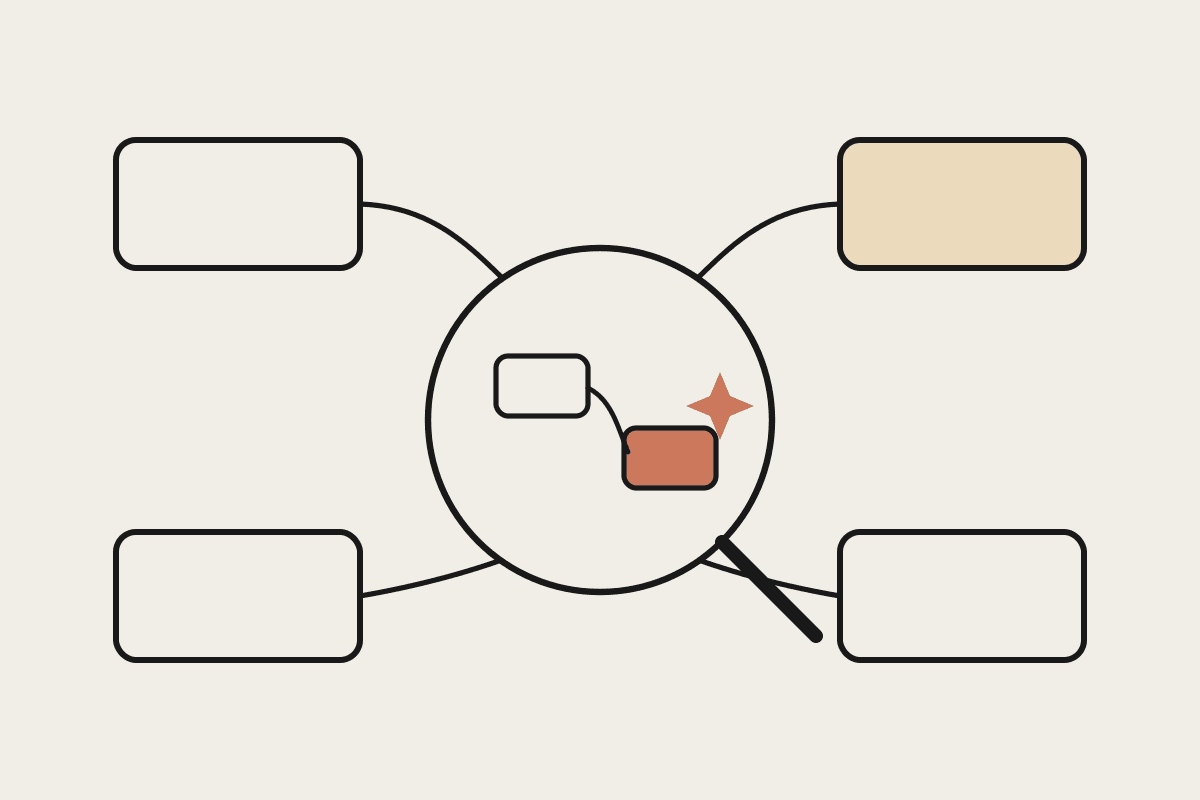
Most processes inside a growing business exist as tribal knowledge -- learned by watching a colleague, adjusted informally over time, never written down because it never needed to be while a human was doing it and could handle the judgment calls and exceptions on the fly. Automating that process forces a level of explicitness a human never needed, and skipping the mapping step means the automation gets built against someone's assumption of the process rather than the process as it actually, messily, exists.
What proper process mapping actually involves
Walk the process with the person who actually does it daily, not the manager who thinks they know how it works.
Write down every decision point explicitly, including the ones that feel too obvious to state -- those are often exactly where automation gets it wrong.
Note the exceptions specifically -- what happens when a customer does something unusual, when a supplier is late, when a field is missing. These edge cases are where automated processes most often break.
Confirm the mapped version with two or three people who do the work, not just one, since the whole point is catching where individual practice has quietly diverged.
What this costs versus what skipping it costs
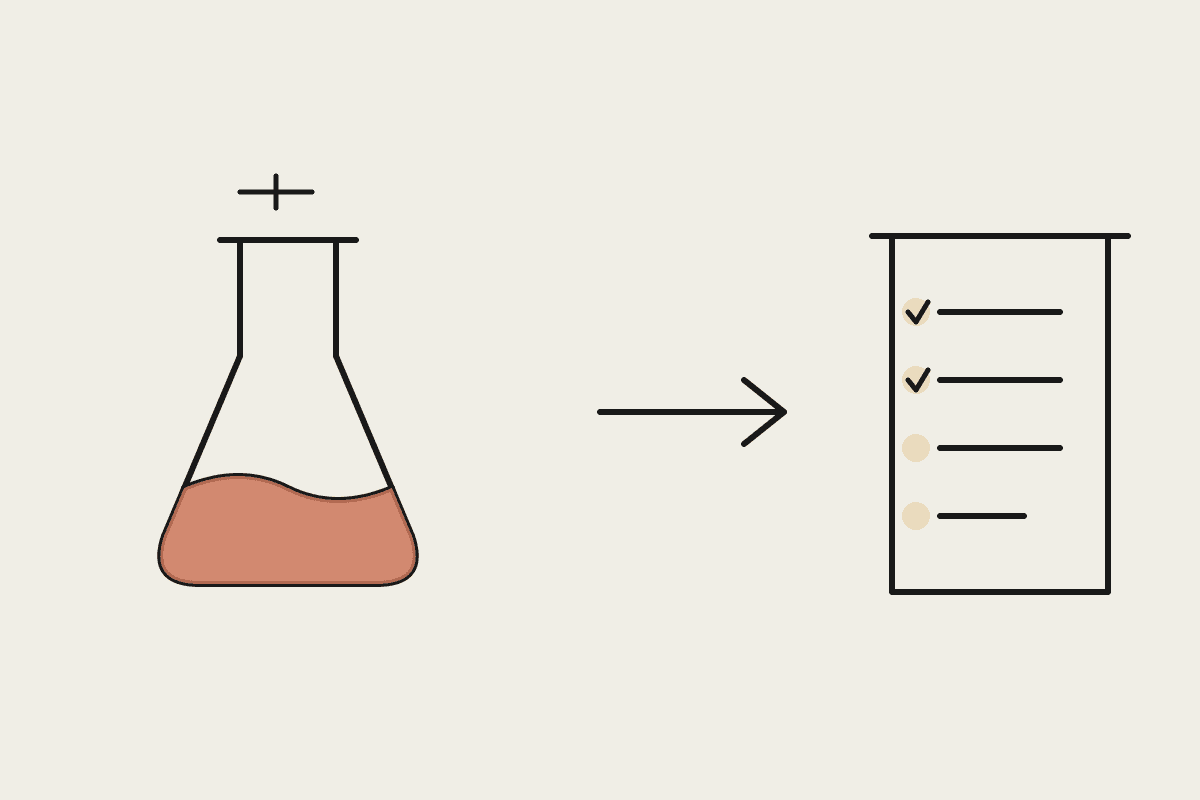
Proper process mapping for a moderately complex workflow typically takes two to four days of a technical person's time working with the relevant staff, roughly $1,500 to $3,000 in cost for most Australian SMB engagements. Set against that: the wholesale business above had to pause their $14,000 automation project for three weeks to remap the process properly once the discrepancy surfaced mid-build, adding real cost and delay that a half-week of upfront mapping would have avoided entirely.
A shortcut that still works reasonably well
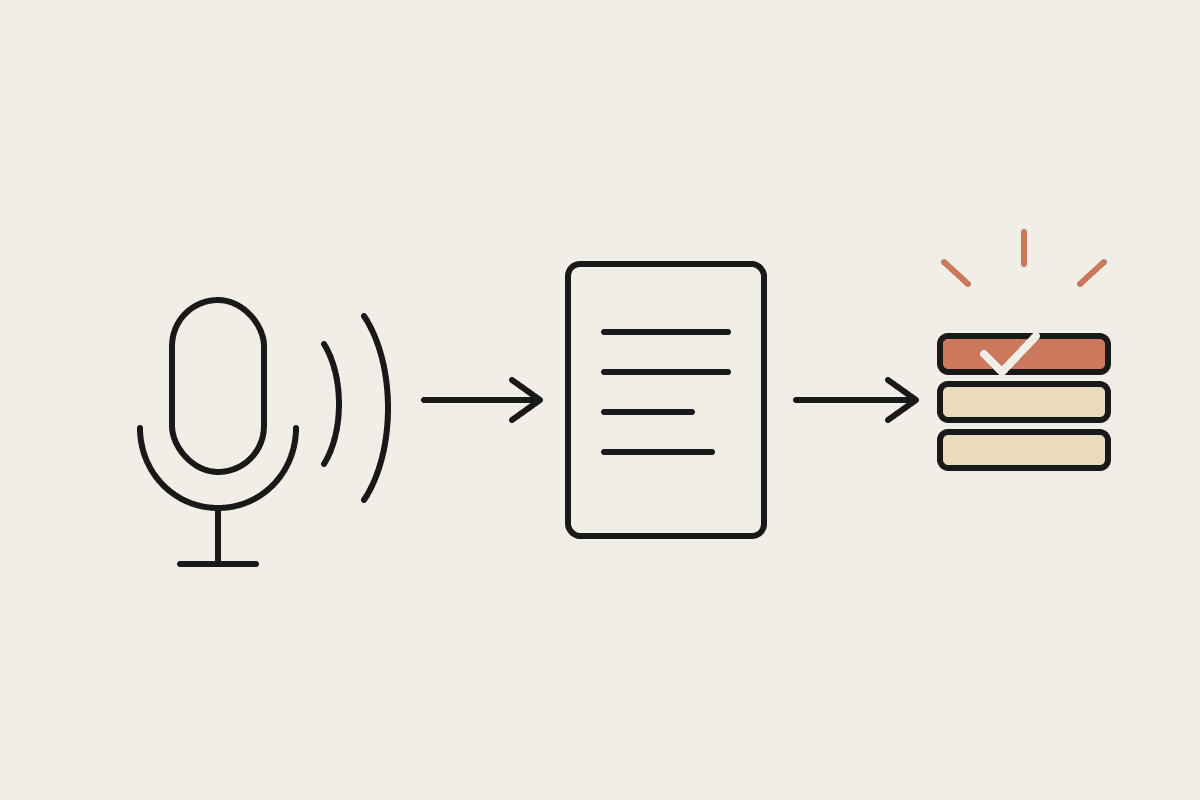
If a full formal mapping exercise feels like too much for a smaller process, a simpler version still catches most of the value: ask the two or three people who do the task to each independently write down, in their own words, the steps they follow. Compare the three versions side by side. Any place they disagree is exactly where an automation project needs a deliberate decision before building, not an assumption.
This is worth doing even for a process you're confident is simple and well-understood. The processes that most need mapping are often the ones everyone assumes are obvious, precisely because that assumption is what let quiet, undocumented divergence happen in the first place without anyone noticing.
A worked mini-example
A 12-person Australian professional services firm mapping their client-onboarding process before automating it found something typical of this exercise: the two staff members who handled onboarding had each independently developed a slightly different sequence for requesting client documents, one asking for everything upfront in a single email, the other spreading requests across three follow-ups. Neither approach was wrong, but an automation built against only one of them would have broken, or at minimum confused clients, the first time the other staff member's version of the process came up in practice. Thirty minutes of comparing the two approaches side by side, before any automation work began, settled which version to standardise on and saved a rebuild later.
Where this fits relative to a bigger AI project
Process mapping is not a separate, optional add-on to an automation project -- it is properly understood as the first phase of the project itself, not a nice-to-have that gets skipped when budget or timeline feels tight. Treating it as optional is exactly how the wholesale business above ended up paying for a rebuild that proper sequencing would have avoided entirely.
Do this before the next automation project starts, not as a retrospective fix once something has already gone wrong. A half-week spent mapping a process properly is one of the cheapest forms of risk reduction available to a business planning to automate anything meaningful.
The businesses that skip this step are rarely being careless -- automation projects usually arrive under time pressure, and mapping can feel like an avoidable delay. It almost never is; it is the step that determines whether the rest of the project goes smoothly or needs redoing.
If you're planning an automation project and want help mapping the process properly before any building starts, get in touch through /contact.