Anthropic opened a research preview of the Model Hardware Standard on 27 August 2026. It is a specification that lets AI agents operate physical instruments: microscopes, liquid handlers, robotic arms, and in one demonstration, the alignment of a laser on a quantum computer. The work began as a collaboration with the HHMI Janelia Research Campus.
For most Australian businesses this is not a product to buy. It is a signal about where agent work is heading, and it lands squarely on a cost line that manufacturers and labs already know well: the price of making two machines talk to each other.
What the Model Hardware Standard actually is
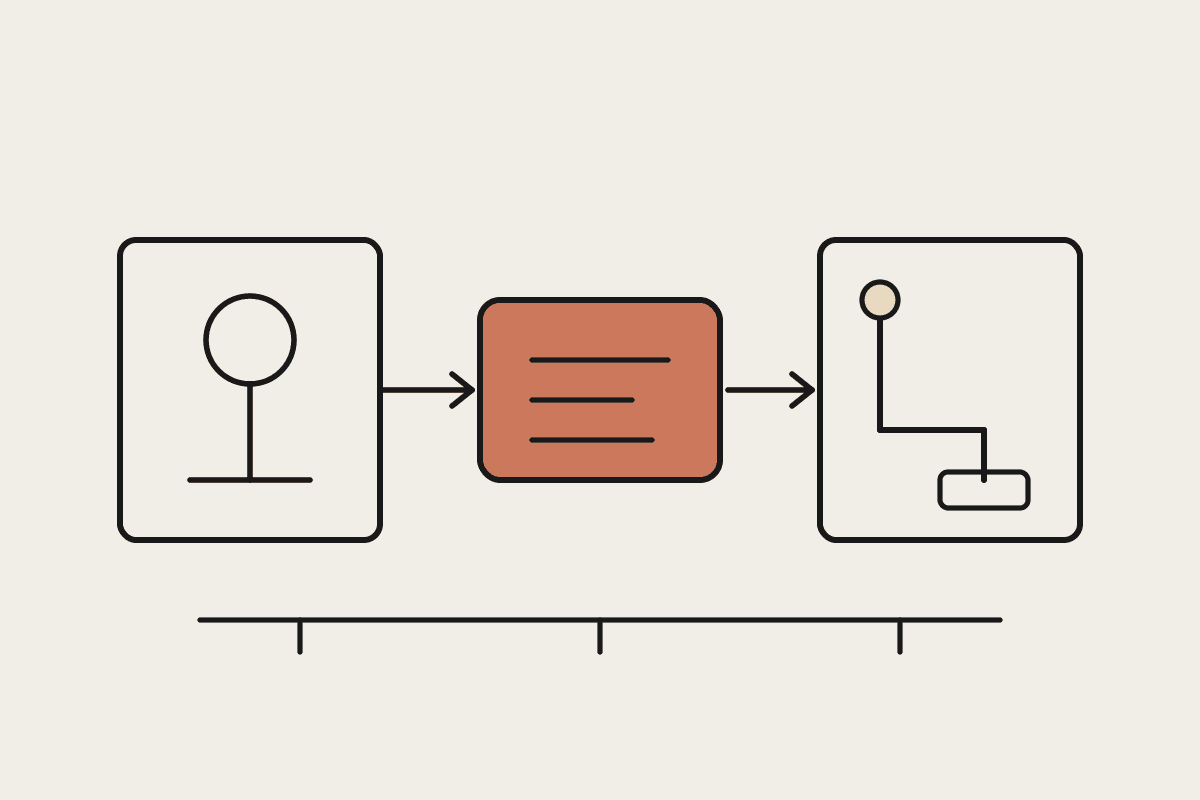
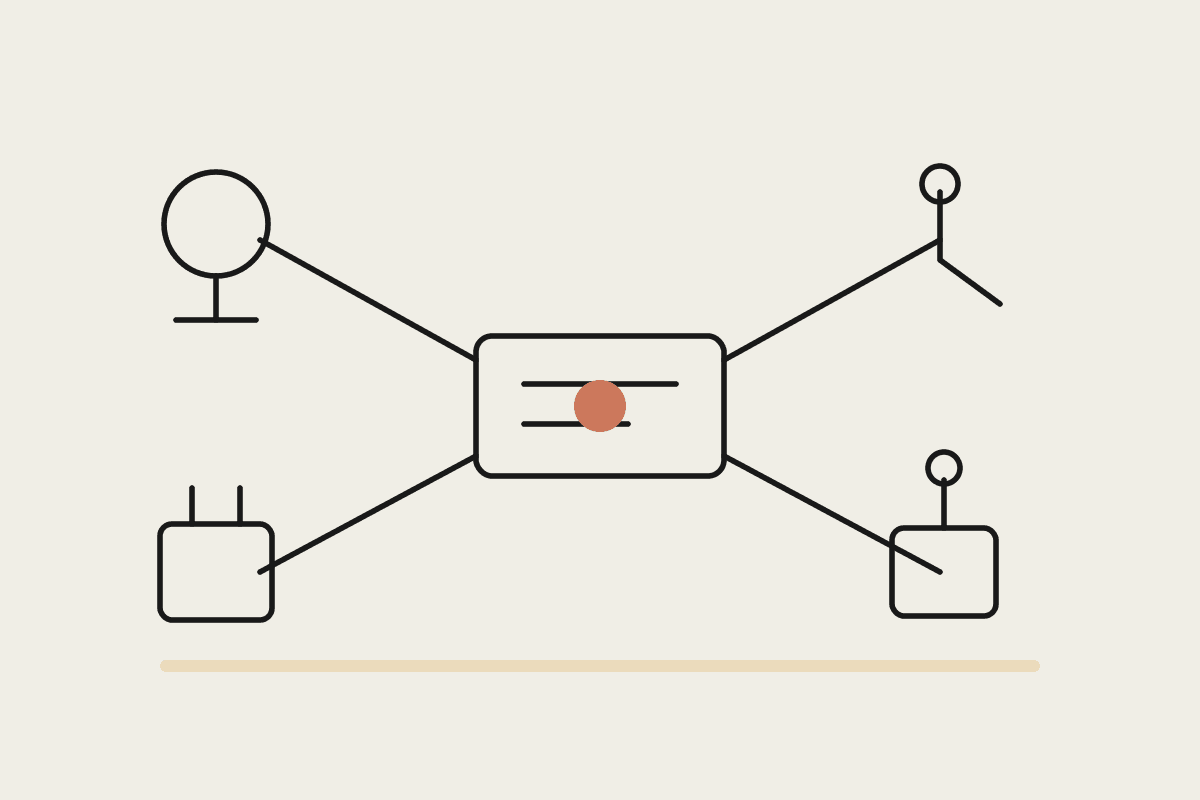
MHS is a standardised driver. It sits between an agent and a device and exposes a small set of primitives, essentially read and write commands such as get temperature or set temperature, that any programmable device can act on. It also makes each device discoverable in a common format, so an agent and an instrument can find each other on a network without a bespoke translator in between.
Two design decisions matter more than the rest:
It is model-agnostic. Any agent harness can reach it through standard protocols including the Model Context Protocol, so this is not a lock-in play tied to one vendor's models.
It carries natural-language tags for the things that never make it into code: the weight of a robot arm, what a device can measure, what safety limits apply. That knowledge usually lives in paper manuals or in one technician's head.
It works with any device that has a programmable interface, which is a much wider net than lab equipment alone.
The driver turns those tags into a reference file describing the device's characteristics and enforced safety limits. That file is what lets an agent operate a machine it has never seen before.
What does the Model Hardware Standard mean for an Australian manufacturer?
It attacks integration time, not labour cost. Anthropic reports that connecting instruments at a lab or plant normally takes weeks or months of specialist work building one-off integrations, and that MHS reduces that to hours or minutes. For an Australian operator the immediate value is that a device bought this year can be reached by an agent without commissioning custom middleware for it, so the integration bill stops scaling with the number of machines on the floor.
That distinction is worth holding onto. The saving shows up in engineering and commissioning time, not in the operators who run the plant. Anyone selling this to you as a headcount reduction is selling something the standard does not do.
Where the integration time actually goes
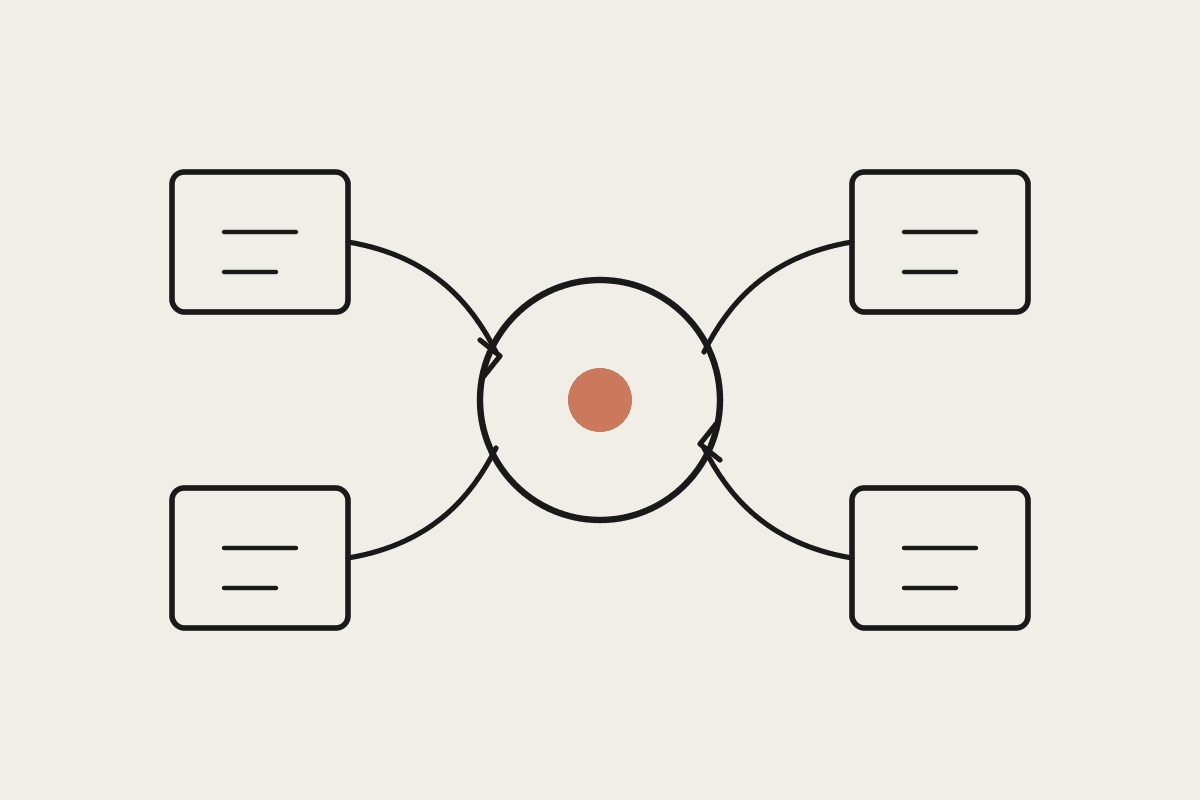
The reason bespoke integration is expensive is that the cost is paid per pair of devices, not per device. The table below sets out the indicative planning figures we use when scoping this kind of work for Australian clients. Treat them as budgeting anchors rather than quotes.
| Approach | Per-device setup | Indicative cost, 6 devices |
|---|---|---|
| Bespoke point-to-point integration | 2 to 6 weeks | $60,000 to $180,000 |
| Vendor middleware, where one exists | 3 to 10 days | $25,000 to $70,000 |
| Standardised driver such as MHS | Hours to days | $8,000 to $25,000 |
| Ongoing change per new device added | Repeats in full | Repeats at the same rate |
The last row is the one that decides the business case. Under a point-to-point approach, every new instrument re-opens the integration cost. Under a standard, it does not.
The part worth watching: agents that write their own scripts
During testing, Anthropic observed Claude adjusting a laser, watching the result through a camera, assessing how the beam moved, and repeating. It then wrote a deterministic script so the alignment could run as a single command without reasoning at each step.
That pattern, explore first and then compile the finding into something repeatable, is the same one we look for in software automation work. It is also the thing that makes agent projects defensible: the expensive reasoning happens once, and the cheap deterministic run happens every day after. If you are weighing up where agents pay for themselves, our ROI calculator works on the same logic.
What not to conclude from this
Three cautions, because a research preview invites over-reading.
This is a preview shared with a first group of labs and advanced manufacturers, not a generally available product. Access is by application.
Anthropic has said it is building safety evaluations and best practices with partners before making the standard open source. The governance layer is explicitly not finished.
Agents operating physical equipment carry a class of risk that software agents do not. A wrong write command on a liquid handler destroys a sample. A wrong one on a robotic arm is a safety incident.
That third point is where Australian buyers should focus. If you already run instruments under a documented safety case, adding an autonomous controller is a change to that case, not an IT project sitting outside it.
What to do about it before the standard opens up
Nothing about MHS requires action this quarter. What it does reward is preparation, and the preparation is unglamorous: know which of your devices expose a programmable interface, and write down the operating knowledge that currently lives in manuals and in people's heads. Those natural-language tags are exactly the asset MHS consumes, and collecting them is useful whether or not you ever adopt the standard.
If you want a view on where agent automation fits your operation, our AI readiness assessment covers the device and data questions before the tooling ones. You can also see how we scope this kind of work on our services page, or read the original research preview announcement from Anthropic.
If agents touching physical equipment is on your roadmap for the next financial year, a short conversation is the cheapest way to find out whether it is real yet. Book a time with us and we will tell you honestly if it is too early.