In September 2026 NVIDIA released the Nemotron 3 family, with weights on Hugging Face and on build.nvidia.com. The headline model, Nemotron 3 Super, has 120B total parameters with 12B active, and smaller Nemotron 3 Nano variants target laptops and single GPUs. NVIDIA's own benchmarks claim it beats gpt-oss and Qwen on throughput at comparable cost.
Plenty of open models launched this year. This one deserves a separate look for one reason: it is not built like the others. That difference is the most interesting thing about it for an engineering team, and it is also the main reason most Australian businesses should hold off on putting it into production this quarter.
What makes Nemotron 3's architecture different?
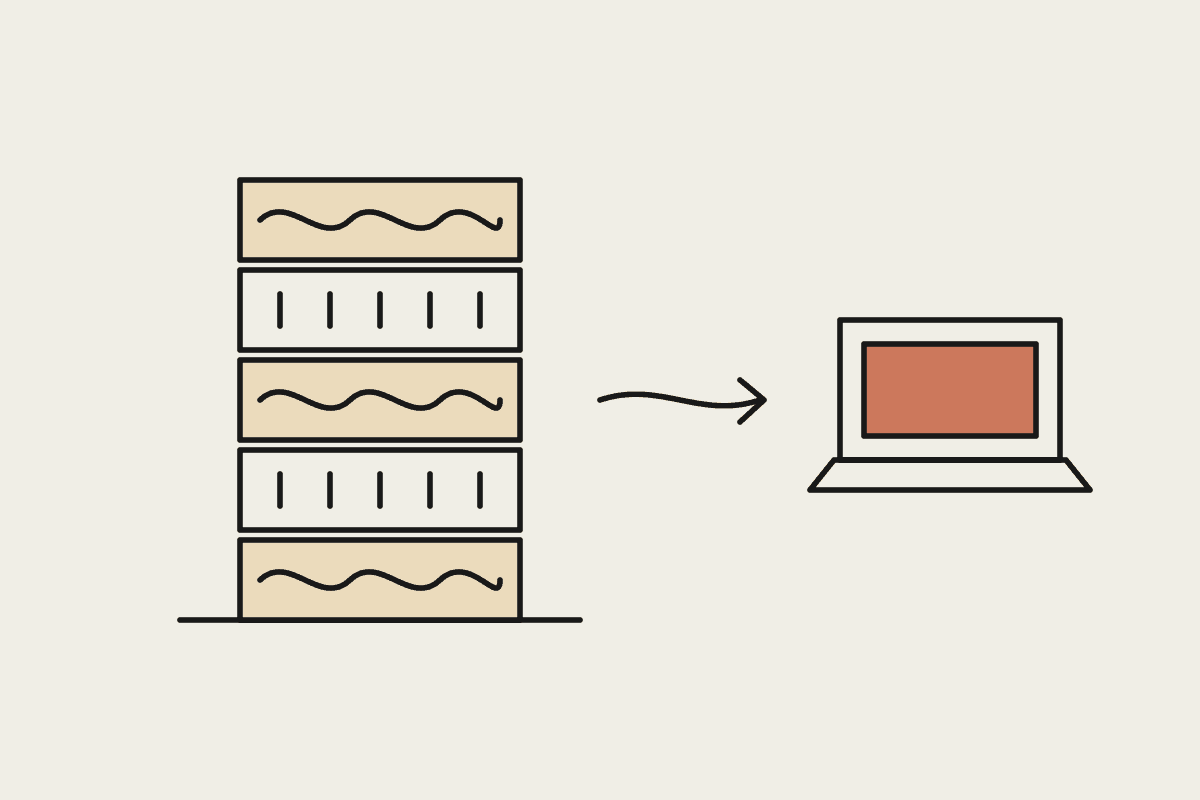
Nemotron 3 Super is a mixture-of-experts model that blends standard transformer attention layers with state-space blocks in the style of Mamba. Most open-weight releases in 2026 have been single-architecture MoE models. NVIDIA says the hybrid design cuts memory use on long contexts, and because only 12B of its 120B parameters are active per token, running it costs closer to a mid-size model than the headline figure suggests.
Three points matter for a technical buyer:
Attention layers and state-space blocks handle context differently. NVIDIA's claim is lower memory use on long inputs, which matters for long documents or long agent transcripts.
The 12B active count is what drives inference cost, not the 120B total, so hardware sizing follows the smaller number more than the larger one.
The Nano variants are aimed at laptop and single-GPU deployment, which is relevant for Sydney and Melbourne firms that want a local fallback model.
If the active-versus-total distinction is new to you, our MoE explainer walks through it, and our piece on the 480B MoE class covers what sparse designs do to a GPU bill.
Why a new architecture is a risk in itself
A novel design is good news for research and a cost for adopters. With a mature Qwen or Llama release, the surrounding ecosystem has already done a lot of your work: serving frameworks support it, quantised versions have been tested by thousands of people, and the common bugs have public write-ups. A brand-new architecture family resets all of that.
Tooling maturity: inference servers and fine-tuning libraries need time to support hybrid attention and state-space layers well.
Quantisation support: the tricks teams use to fit a model onto cheaper hardware are tuned for standard transformers, and may behave differently on state-space blocks.
Community bug reports: early adopters find the edge cases. Until they have, your team is the early adopter.
Vendor risk: for APRA-regulated clients, a new architecture family means a fresh vendor risk assessment, not a reuse of the last open-weight one.
None of this says the model is weak. It says the unknowns are concentrated in exactly the places a lean mid-market team has the least capacity to absorb them: operations, patching and debugging.
| Question | Mature Qwen or Llama release | Nemotron 3 (new hybrid family) |
|---|---|---|
| Serving and fine-tuning support | Broad and tested | Still settling |
| Quantised versions | Widely used | Less field experience |
| Known bugs documented | Many public reports | Few so far |
| Vendor risk assessment | Can build on prior work | Fresh assessment needed |
| Best use this quarter | Production candidate | Watch list and bake-off |
What to check before anyone spins up an evaluation
If your team wants to try Nemotron 3, run it through the same checklist as any open-weight candidate:
Read the licence terms on the model card itself, not the press release. Open model licences have varied from release to release.
Test on your own agentic tool-use tasks rather than NVIDIA's benchmarks. Throughput claims rarely carry over cleanly to a real support or coding workflow.
Price GPU hosting properly, including the engineering hours to keep it patched.
Treat the checkpoint as a supply chain asset, with its source and hash recorded in your vendor file.
On cost, an illustrative example: a $40,000 annual GPU rental for a 120B MoE model can still lose to a metered Claude API bill once the hours to run and patch it are counted. Those hours are the line item most calculators leave out, and our costing of DevOps labour for an Australian team puts numbers on them. For provenance controls, see our model poisoning checklist.
Where Nano fits, and where Claude stays
For most Australian businesses we work with, Nemotron 3 Super is a model to read about rather than deploy. Nano is more practical. If you have a genuinely cost-sensitive, high-volume workload, such as classifying or routing large numbers of simple items, put Nemotron 3 Nano on the shortlist for a bake-off against a small Qwen or Gemma model. Keep Claude as the default for anything client-facing or compliance-sensitive, where the managed model's maturity and vendor accountability are worth more than the per-token saving.
NVIDIA's earlier agent-focused release took a different route, and our look at Nemotron 3.5 Lightning covers that one.
A worked example of a two-day evaluation
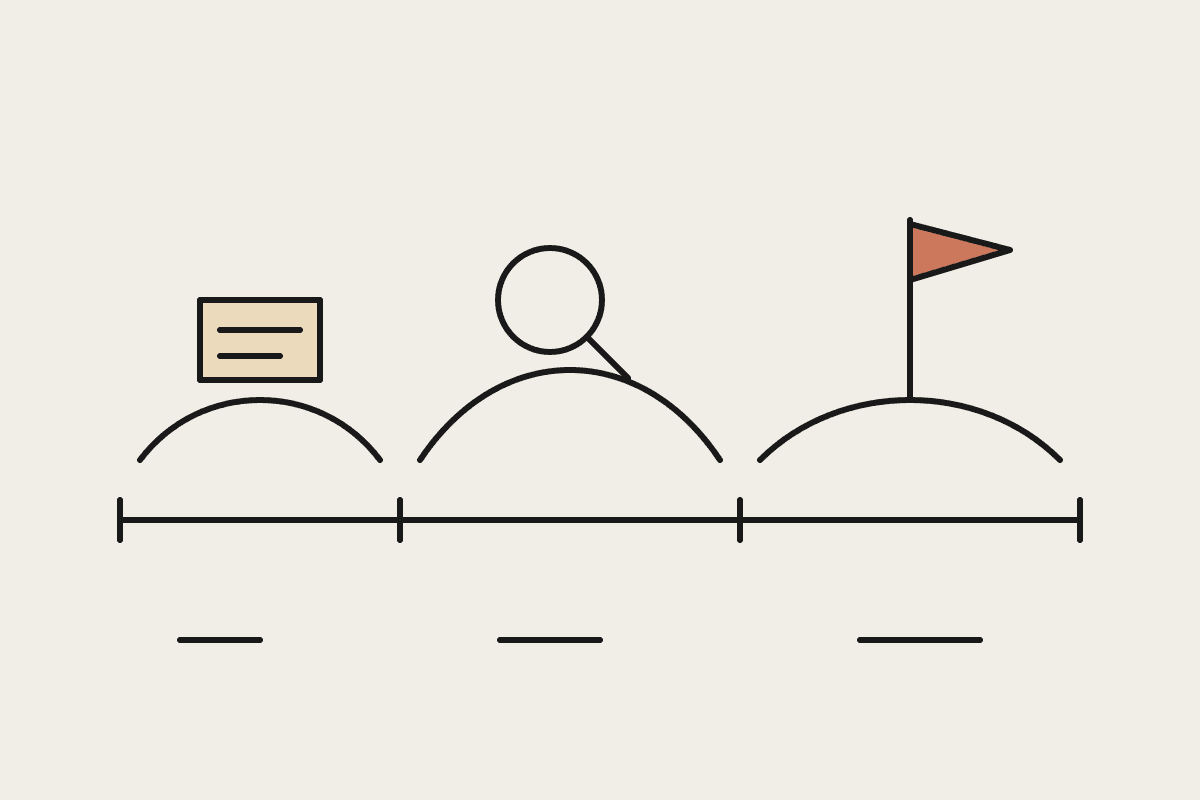
The useful habit is not chasing each launch but having a repeatable process, so a release like this is a two-day exercise rather than a two-week distraction. In practice that means three fixed assets:
A fixed test set drawn from your own tickets or code, scored the same way every time.
A fixed cost model that includes hosting, engineering hours and a security review.
A fixed security checklist covering licence, provenance and vendor risk.
Day one runs the test set and the cost model. Day two runs the security checklist and writes a one-page result: adopt, shortlist or watch. For Nemotron 3 Super, we expect most Australian teams to land on watch. For Nano, shortlist is a fair outcome if the high-volume workload is real.
What not to conclude
A watch verdict is not a verdict on quality. NVIDIA's throughput claims may hold up well once independent testing catches up, and the hybrid design may become common in later releases. The point is timing. Revisit it once serving support, quantised builds and community reports have matured, using the same fixed test set so the comparison is fair.
If you would like help setting up that repeatable evaluation for your own workloads, see our services or get in touch.