A licence census published in mid-August 2026 examined 30 models publicly described as open, open-weight or open-source, spanning 17 organisations and six modalities: text and code models, multimodal agentic systems, text diffusion, image generation, video generation and music generation. The finding that should concern any Australian business using the word open as a procurement shortcut is simple. The term means at least three different things, and vendors rarely explain which one applies to theirs.
The three kinds of open
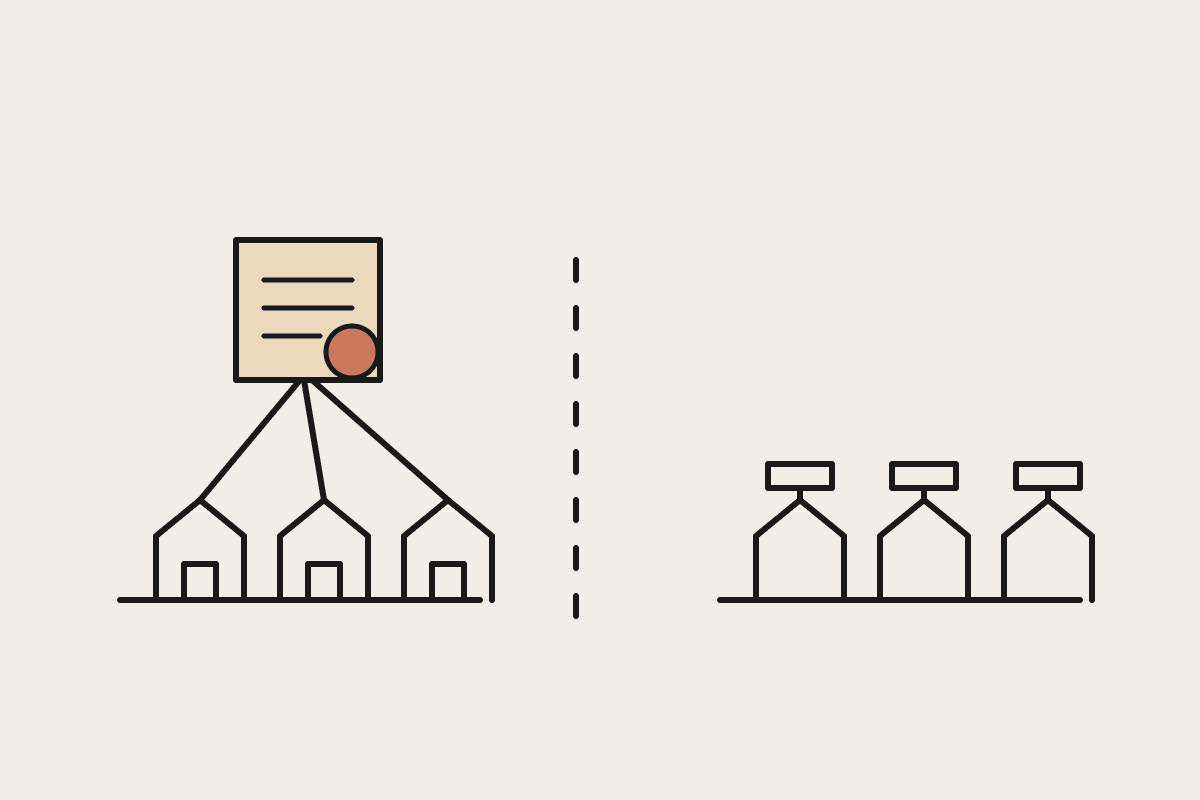
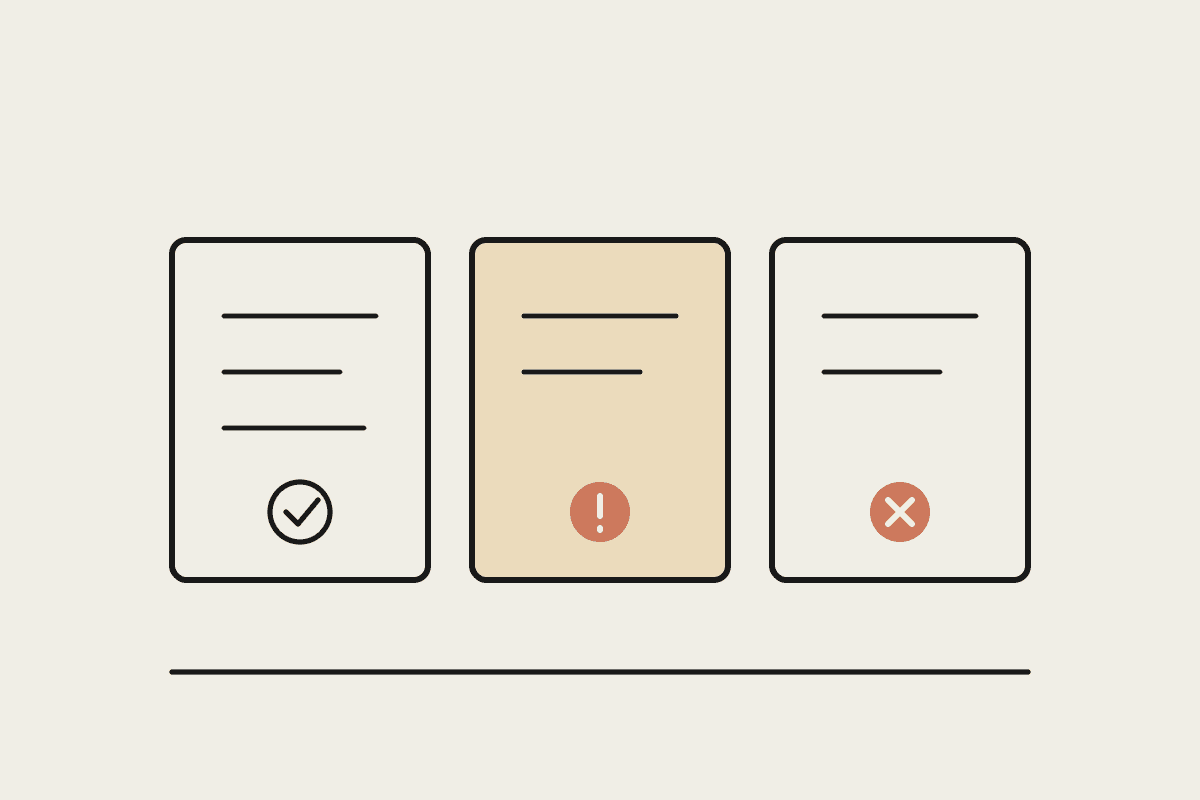
Reading the actual licence text across those 30 models sorts them into rough buckets:
Genuinely permissive. Weights and code both freely usable commercially, no thresholds, close to what open source has always meant in software. Apache 2.0 and plain MIT sit here.
Open-washed. Weights are downloadable and the marketing says open, but a usage cap, revenue gate or field-of-use restriction applies once you read past the model card into the licence document itself.
Open in name only. Access requires an application, an approval process, or a separate commercial agreement that is not disclosed anywhere on the model's public page.
Roughly a third of the models in the census fell into the second or third bucket. That is not a fringe result. It is close to a coin flip on whether the open model your engineering team downloaded last month is actually free to run in production, and nobody in the business is likely to have checked, because downloading weights does not feel like signing a contract.
What it costs a business that gets this wrong
The failure mode is predictable and we have watched it play out before it became a legal problem. A business builds a product on a model it believed was unrestricted. It scales past a threshold buried in a licence addendum. It then either faces a surprise commercial bill it did not budget for, or has to re-architect around a different model under deadline pressure with customers already live.
Re-platforming a production AI system under time pressure typically costs an Australian small or mid-sized business somewhere between $15,000 and $60,000 in emergency engineering time. That is before you count the roadmap that stopped while it happened. A licence review before the build costs a fraction of the bottom of that range, and the review takes days rather than the weeks the re-platform will.
What we check before recommending any model
Before Automata AI recommends any model, open-weight or otherwise, to a Sydney, Melbourne or Brisbane client, we look at:
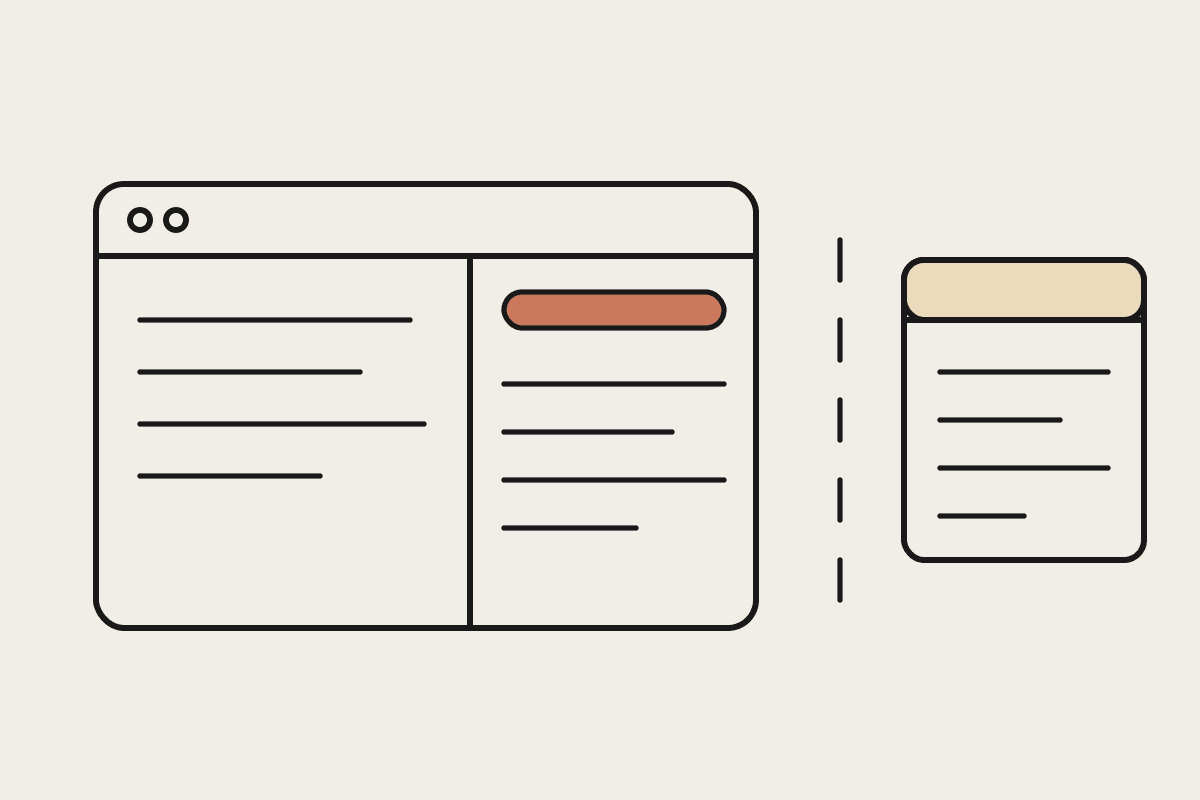
The actual licence document, not the model card summary and not the press release. These disagree more often than they should.
Whether the terms change based on revenue, user count or deployment region, and exactly what event triggers the change.
Whether the vendor has changed licence terms on a previous model version. Several labs did through 2026, and a lab that has done it once will do it again.
What the terms say about outputs as distinct from weights, which matters if the client is selling what the model produces rather than just using it.
Whether anything in the licence conflicts with commitments the client has already made in their own customer contracts, which is the check almost nobody runs.
What this is not an argument for
Two things worth being straight about. This is not a case against open-weight models. Plenty of Australian businesses run them well, and the genuinely permissive bucket is real, substantial and includes some excellent models. The problem is the word open doing work it cannot support, not the models themselves.
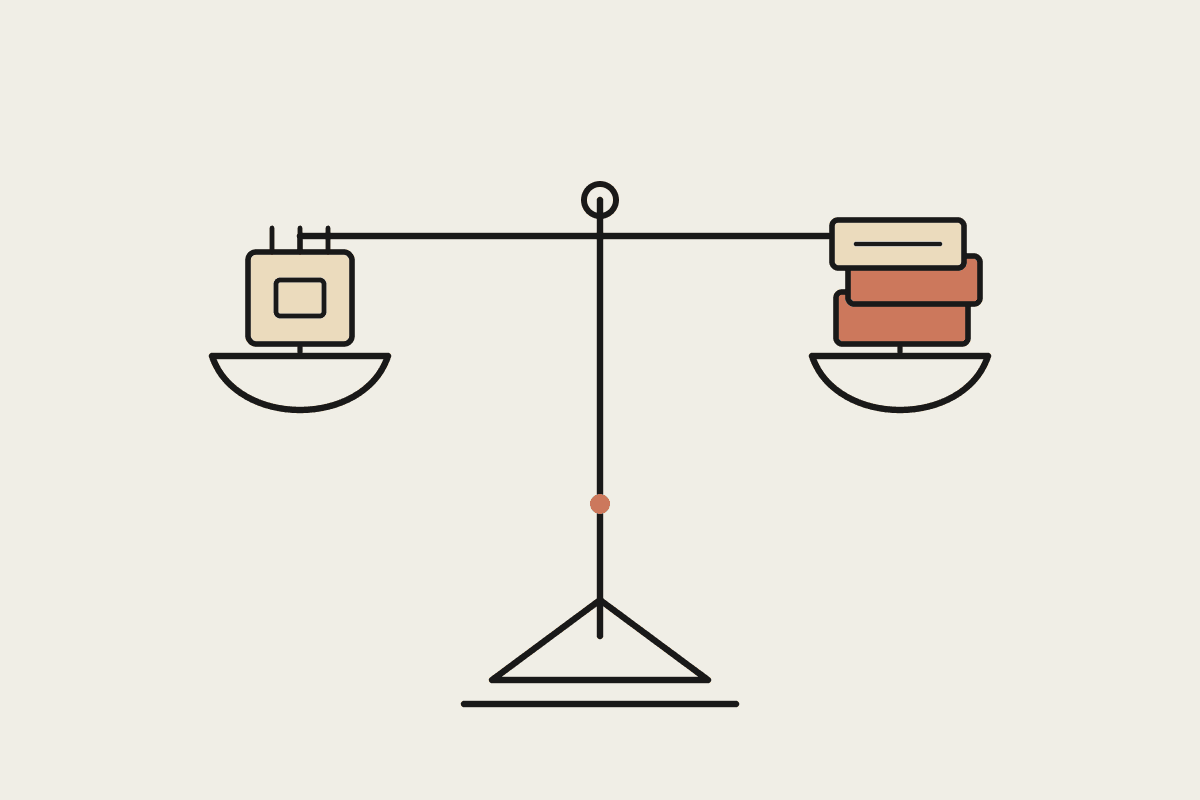
It is also not an argument that managed APIs are risk-free by comparison. A commercial API carries its own terms, its own pricing changes and its own deprecation schedule, and those deserve the same reading. The difference is mostly that businesses already treat an API as a vendor contract and read it accordingly, while a downloaded model file does not trigger the same instinct. That asymmetry is the actual vulnerability, and it is a process problem rather than a technology one.
The practical position: open is a marketing word before it is a legal one. Treat every open-weight model the way you would treat a vendor contract, because that is what it is. Route it through whoever reads your contracts, once, before the engineering starts.
If you want your current AI stack's licences checked against what your business actually does with them, including the ones your team adopted without a procurement conversation, book a session and we will give you a plain list of where you stand on each.