Hospitality and tourism run on volume and timing. Booking enquiries, reviews, rosters, and guest messages arrive at all hours, and the team rarely has spare capacity to handle them well. AI can carry a good share of that load, and the steady improvement in open-source models through 2026 has given operators more ways to do it. This guide covers where open-weight models help a venue or tour operator, where a managed model fits better, and how to start without betting the business on it.
What AI handles well in hospitality
Most guest-facing work is repetitive text, which language models are good at. The tasks worth handing over first are the ones that repeat daily and rarely need a manager's call:
Answering common booking and enquiry questions across email and messaging, including after hours.
Drafting replies to online reviews in a consistent, on-brand voice for a person to approve.
Turning a week of guest feedback into a short summary of what to fix.
Producing first-draft social posts or menu descriptions from a few prompts.
The goal is not to remove the human warmth that hospitality depends on. It is to take the repetitive typing off your team so they can spend their attention on the guests who are actually in front of them.
Inbound tourism adds a language angle. A model that can hold a clear conversation in Mandarin, Japanese, or German lets a small team serve overseas guests without hiring for each language, and it does so consistently rather than depending on who happens to be rostered on that day. For a regional operator competing for international visitors, that reach can be the difference between winning a booking and losing it to a larger rival.
Open-weight or managed: which fits a venue
Open-weight models such as Qwen 3 and DeepSeek have improved to the point where an operator can run some of this work on infrastructure it controls. That matters when guest data is involved, and it matters more in Australia because operators handling personal details fall under the Privacy Act. The trade-off is upkeep: a self-hosted model needs hardware and someone to maintain it, which most cafes, hotels, and tour businesses are not set up for.
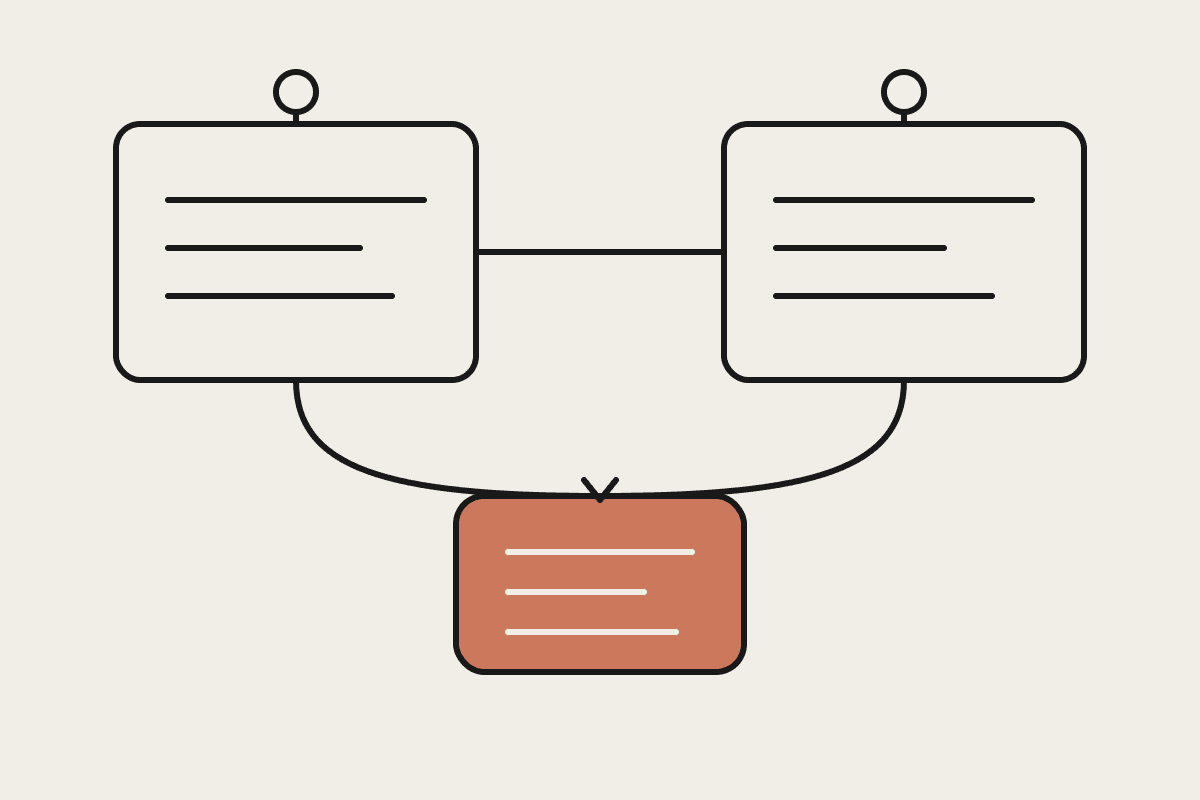
We build hospitality client systems on Claude, from Anthropic, because it writes warm, natural guest replies and handles many languages well, which matters for inbound tourism. A common setup looks like this:
Claude through an API for enquiries, review responses, and feedback summaries.
A self-hosted open-weight model only where data residency genuinely demands it.
A staff check on anything that commits the business, such as a booking change or a refund.
That division of labour keeps the benefit without the risk. The model drafts and summarises at volume, and a person makes the calls that affect a guest's stay or the business's money. For most operators the honest answer is a managed model for the daily work, with open weights held in reserve for the rare task where a data rule leaves no choice.
Sizing the benefit
A busy Melbourne venue or a Cairns tour operator can lose hours every week to repetitive guest messages. If a front-of-house person spends two hours a day on email and reviews, that is easily $25,000 a year in wages spent on typing. An AI system that handles the routine share of it typically costs $6,000 to $12,000 to set up, with a small monthly run cost, and the payback usually lands within a season.
Speed has its own value. A guest who gets a clear answer within minutes is far more likely to book than one who waits until the next morning, by which point they may have booked elsewhere. Faster, consistent replies lift conversion on the enquiries you already receive, so the gain is new revenue rather than only saved cost.
Tourism has a seasonal shape that adds to the case. A system that absorbs enquiry spikes over summer or a long weekend without extra hires is worth more than the raw hours suggest, because those peaks are the hardest and most expensive to staff.
Compliance and guest data
Guest records carry obligations. Under the Privacy Act, an operator needs to handle personal details carefully and be able to say where that data goes. If you self-host an open-weight model, sensitive data can stay on your own systems. If you use a managed model, you should understand the provider's data handling and keep a person in the loop on anything sensitive. Either way, log what the system did so you can answer a guest who asks.
A sensible first step
Start with the channel that overwhelms the team most, usually after-hours enquiries or review responses. Prove the time saved on that one channel over a few weeks, then widen it. Keep the scope tight at first: one channel, a clear measure of time saved, and a person reviewing the output until you trust it. From there the same system extends to the next channel at a fraction of the original effort.
Use open weights where a data rule requires it and a managed model like Claude where tone and reliability matter most. If you want help choosing where to start, book a brainstorm.