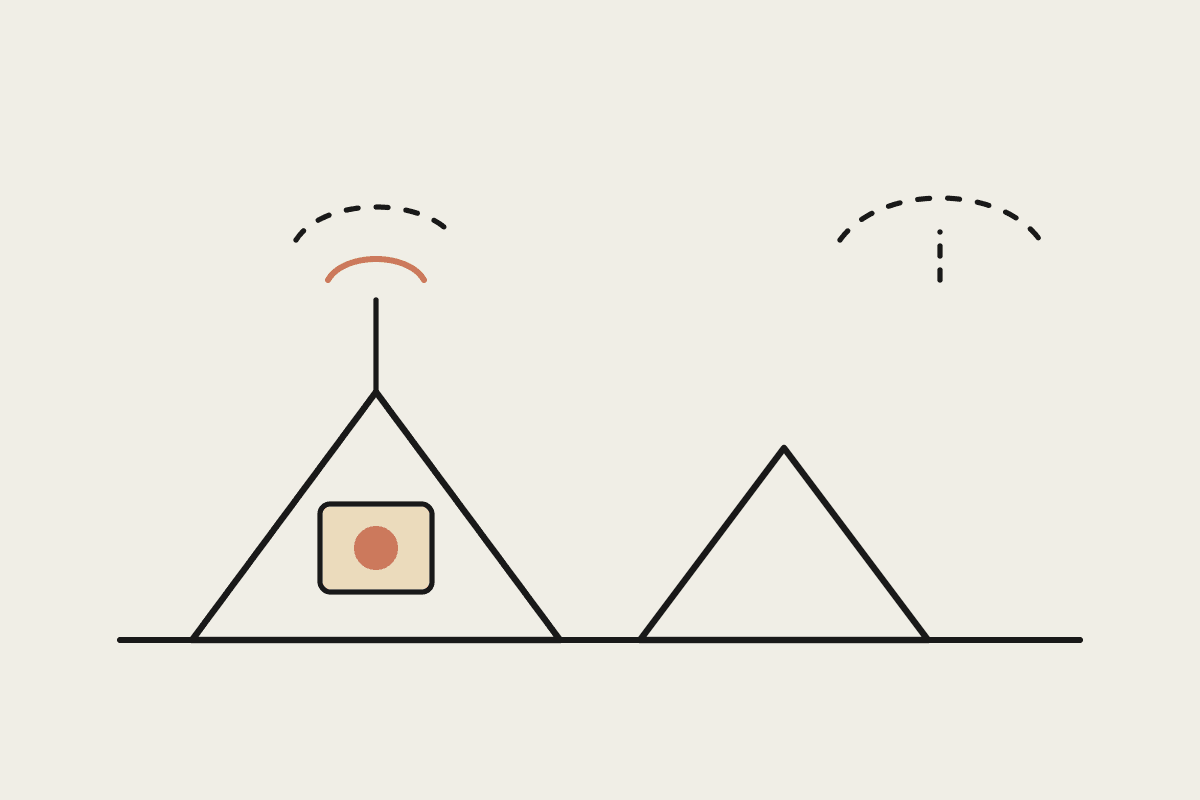
A cloud AI platform assumes a reliable internet connection. That assumption breaks down quickly on a remote Pilbara mine site, an offshore gas platform, or a regional exploration camp where connectivity is intermittent, expensive, or both.
This is the one part of the open-weight conversation where run it on your own hardware is not really an argument about cost or ideology. It is about physics. Some sites cannot guarantee the connection a cloud-only tool needs, and no amount of commercial negotiation changes that.
This month's wave of small on-device open-weight models, including Meta's 30-billion-parameter Muse Glimmer and Nvidia's Nemotron 3.5 Lightning, both designed to run on a single graphics card, is directly relevant here in a way it simply is not for a Sydney office with fibre.
Where this genuinely helps
The realistic use cases for an on-device model on a remote site are narrower than the marketing suggests, and real:
Equipment inspection support, where a technician photographs a component and gets a first-pass defect assessment without waiting for a connection to sync.
Safety documentation and incident report drafting that has to happen on site immediately rather than being queued until the next satellite window.
Local search and summarisation across site manuals and procedures, so a worker is not spending connectivity budget on repeated lookups of a document already stored locally.
Translating or simplifying procedure text for a workforce that does not share a first language, which is common on Australian sites and rarely designed for.
None of these need a frontier model. They need a small, reliable one that runs locally and does not depend on the network being up. That is a much easier engineering requirement than it sounds, and a much harder operational one, because the hardware lives somewhere hot, dusty and four hours from anyone who could fix it.
What still has to route through a governed platform
On device does not mean off the hook for governance. Some records should always sync to a governed system once connectivity returns:
Any report feeding a work health and safety or environmental regulatory submission.
Anything shared with contractors, insurers or head office where an audit trail matters and will be examined later.
Incident data involving a person, which falls under the Privacy Act regardless of where it was drafted or on what device.
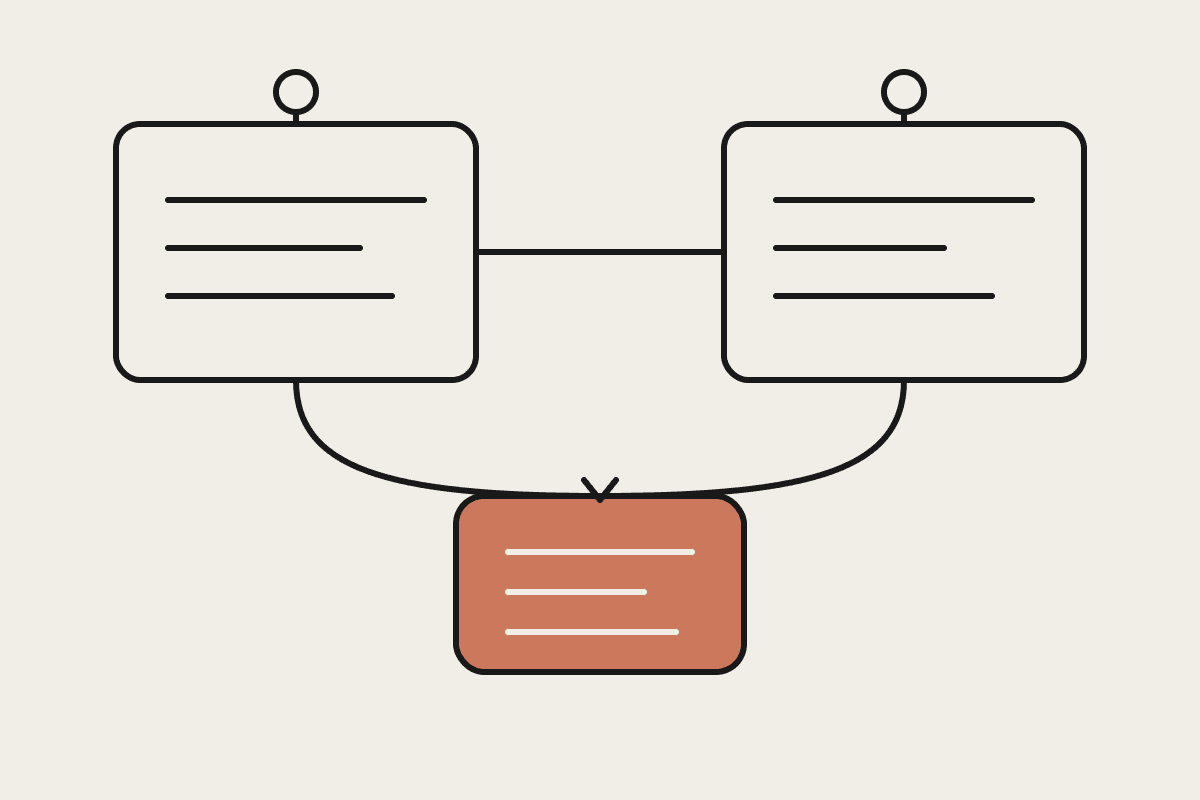
The split is clean and worth stating as a rule: the on-device model handles the moment, and a governed system handles the record that has to hold up later. A draft written on a tablet at the pit edge is a draft. It becomes a record when it syncs, and the sync is where the governance belongs.
The economics, specific to this sector
A mid-sized operator running on-device AI support across six remote sites typically budgets $80,000 to $120,000 for hardware, ruggedised deployment and ongoing model updates across a fleet that field technicians can actually maintain. That last clause is doing most of the work in the sentence, because a deployment nobody on site can service is a deployment that stops.
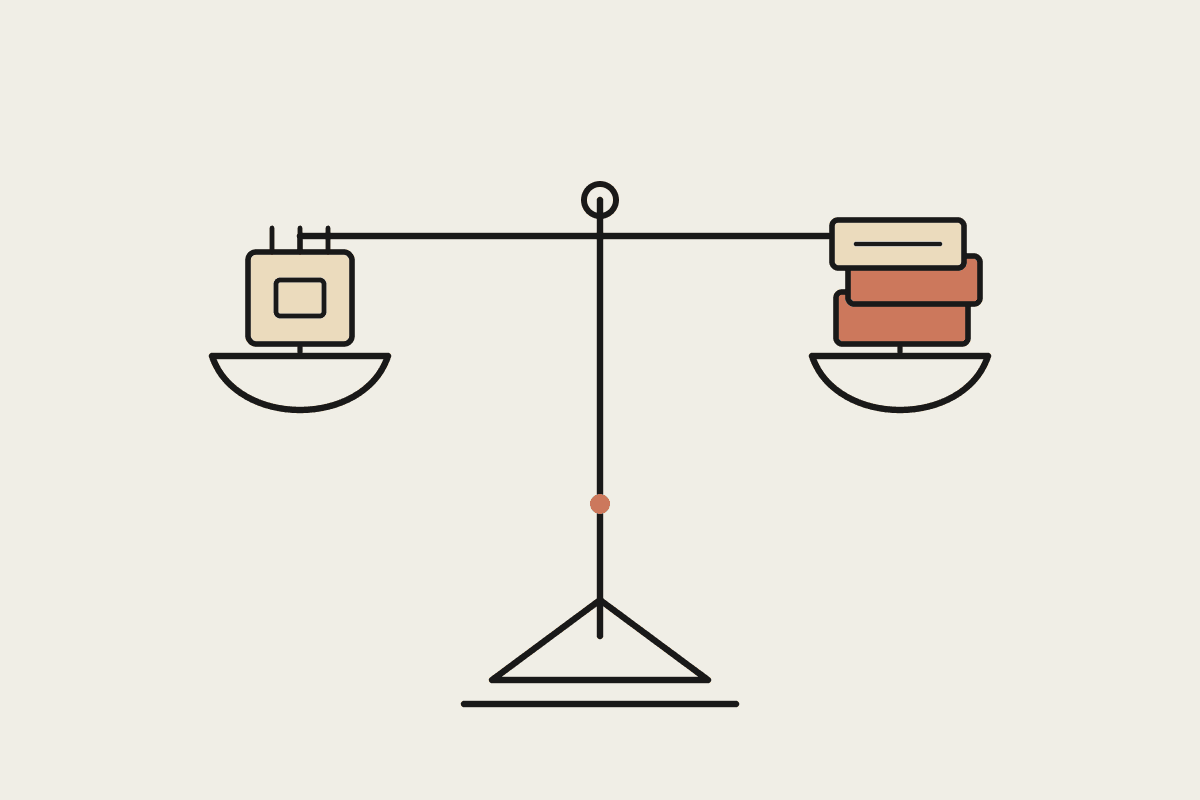
That investment mostly does not apply to a business with reliable connectivity, where a managed cloud platform is cheaper and considerably less operationally complex. If your sites do not have the connectivity problem, the physics argument disappears entirely and the usual cost and governance trade-offs are the only ones left.
Before you pilot anything
Measure the actual connectivity, do not assume it. Some sites people describe as remote have perfectly workable links, and some sites nobody flags drop out every afternoon.
Pick one site and one task. A fleet-wide rollout before a single site works is how this becomes a $120,000 write-off rather than a capability.
Decide who maintains the hardware before it ships, by name and by roster. Site IT is usually already stretched.
Test in the worst conditions you have. A model that works in the site office and fails in the vehicle is not deployed.
One more thing that catches operators out. The model is the easy part of this deployment. The hard parts are power on a vehicle, dust ingress, a screen readable in direct sun, and a sync process that survives a connection dropping halfway through. Budget accordingly, because those are the line items that determine whether the thing gets used after week three.
If your sites have the connectivity problem, on-device open-weight models are worth a genuine pilot and the case for them is stronger here than in any other Australian sector. If they do not, this is an interesting development that does not apply to you, and the honest advice is to spend the attention elsewhere.
If you want help working out what actually needs to run on site versus in the cloud, starting from measured connectivity rather than assumptions, book a session and we will scope a single-site pilot worth running.