Retail and hospitality businesses in Australia run on thin margins and high message volume, which makes them a genuine test case for whether an open-weight model can do the job cheaper than a managed API without creating more work than it saves. The answer is not one answer. It depends almost entirely on whether a customer sees the output.
Where an open model carries real weight
There are internal tasks in a venue or a shop where a cheaper, locally run model is the sensible call, and where the occasional imperfect output costs a manager a few minutes rather than a customer:
Rostering suggestions built from historical trading patterns. Repetitive, internal-only, and forgiving of an imperfect suggestion a manager reviews before it goes anywhere.
Stock reorder flagging from point-of-sale data. Narrow task, and the data never needs to leave your systems, which suits a local or self-hosted model.
First-pass categorisation of supplier invoices before they reach your accounting software, where the human doing the approving is the check.
Summarising the week's trading in plain language for an operations meeting, which is useful and low-consequence if it gets the emphasis slightly wrong.
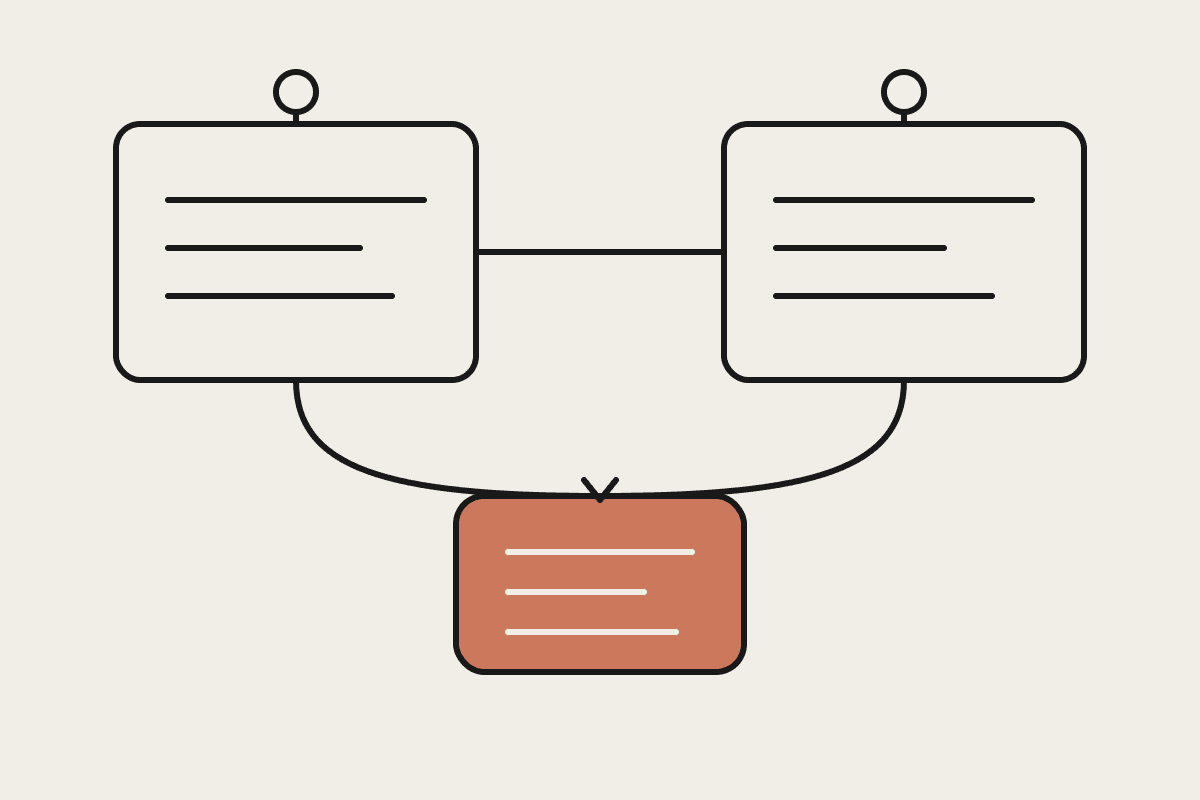
The pattern connecting all four: a person reviews the output before it has any effect, and being wrong costs minutes.
Where customer contact still needs a supported model
Guest messaging for bookings, complaints and reviews, where tone, escalation judgement and consistency matter more than a marginal cost saving.
Anything touching payment or loyalty-program data, where you want a vendor whose data handling terms you can point to if a customer asks under the Privacy Act.
Multi-location businesses, where a mistake at one site becomes a public review that affects the whole brand within hours.
Anything that commits the business to something: a refund, a booking change, a price. An agent that can make promises needs to be one you can stand behind.
A realistic cost picture
For a hospitality group running three to six venues across Sydney or Brisbane, a rostering-and-stock automation build using a lightweight local model typically runs $8,000 to $14,000 to scope and deploy, with Claude handling the guest-facing messaging layer where a poor interaction costs more than the token savings could ever recover.
Running that guest-facing layer on a supported model rather than the cheapest available usually adds a few hundred dollars a month in inference cost. Set that against the alternative and the arithmetic is not close:
A poorly handled guest complaint costs more in lost repeat business than a year of premium API fees, and in a review-driven market it keeps costing after the guest has gone.
An internal rostering error costs a manager twenty minutes to fix, once.
That asymmetry is the actual decision rule. Not the per-token price list, which is the number everyone anchors on because it is the easiest one to compare.
What we would tell a retail or hospitality owner
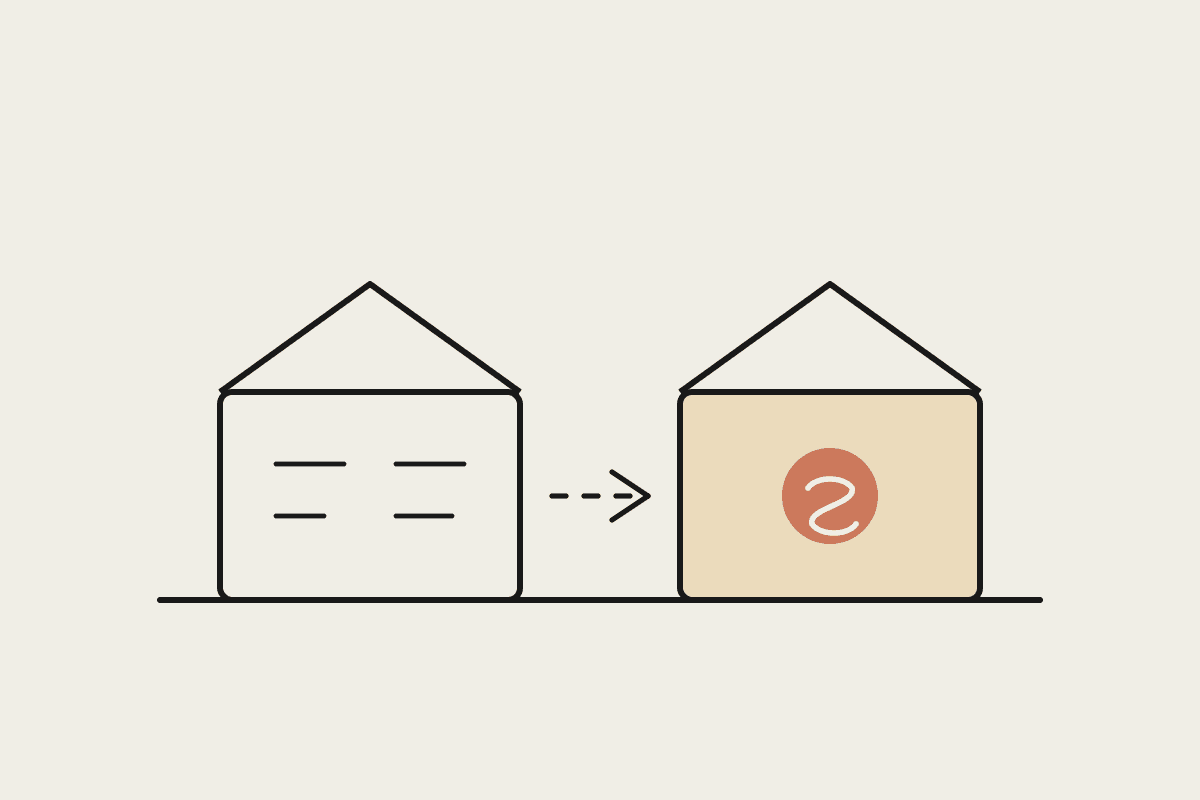
Do not let a technical hire's enthusiasm for a new open-weight release decide where it gets deployed in your business. Match the model to the stakes: cheap and local for internal, repetitive tasks, and a supported, accountable model for anything a customer sees. That rule takes ten seconds to apply and prevents the expensive version of this mistake.
We have watched Melbourne and Brisbane operators run guest messaging on whichever open model was cheapest that month, then quietly move it back to a managed model after a handful of badly handled complaints cost more in refunds and lost bookings than a year of API fees would have. Nobody makes that call maliciously. It happens because the cost of the cheaper model is visible on an invoice and the cost of a bad guest interaction is not.
Two caveats before you start
First, the local model still needs someone to maintain it. A rostering assistant that quietly stops working in December is worse than not having one, because by then the manager has stopped keeping the spreadsheet. Budget for maintenance or do not start, and be honest about who owns it by name.
Second, none of this is worth doing if the underlying data is a mess. A rostering model built on trading patterns that nobody has cleaned since the last point-of-sale migration will produce confident nonsense. Fixing the data is usually the first third of the project and the part that gets cut when a budget tightens, which is exactly backwards.
We build this kind of hybrid stack for Australian retail and hospitality groups, cheap and local where it is safe, supported where it matters, with the data work scoped honestly upfront. book a session and we will map your workflows against that split before anything gets built.