For most of 2026 the phrase open source AI has been used loosely enough to cover almost anything with downloadable weights, including models whose licences ban commercial use above a certain size or forbid redistribution outright. That looseness has a cost. A procurement team that writes open source only into a tender can end up with a shortlist containing models nowhere near the legal definition of open source software.
Two developments this year have tightened the language, and Australian procurement teams should pick them up.
What actually changed
The G7 Digital and Technology Ministers published a framework calling for shared language around AI openness, and it lands on open weights as the practical term for enterprise work. Around the same time the Linux Foundation released the OpenMDW licence framework, built with Amazon, Meta, IBM and Microsoft, which defines what rights are actually conveyed when a publisher releases a model.
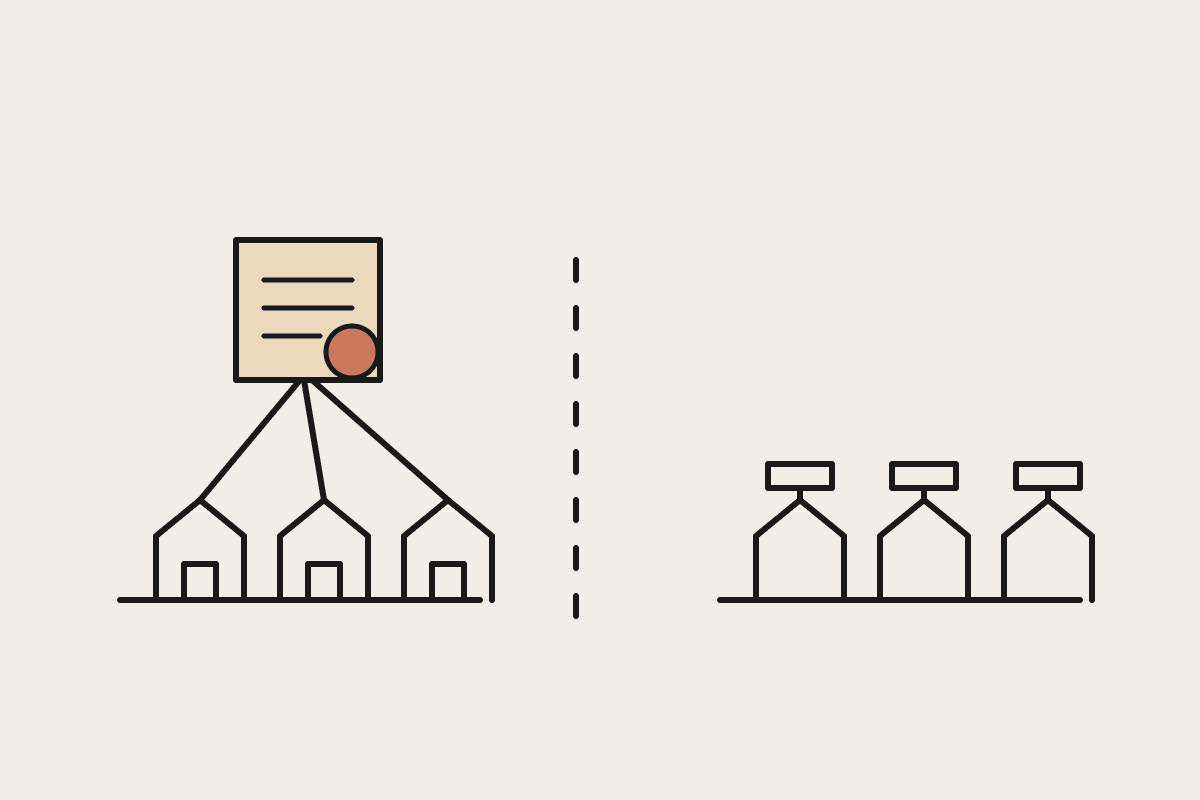
Together they draw a line most Australian tender documents have been ignoring. Open weight means you can download and run the model. Open source carries a stricter, older meaning about redistribution and modification rights that most AI labs do not grant and never claimed to.
Why this matters in a tender document
A Sydney business writing we require an open source model for data sovereignty reasons into a request for proposal is asking a question almost no vendor can honestly answer yes to, because very few current models meet the traditional definition. What the business actually wants, in nearly every case, is a model whose weights it can run on infrastructure it controls. That is an open weight requirement, and asking for it by name gets a straight answer.
The confusion costs real money. One Sydney business nearly committed $45,000 to a pilot before discovering the vendor's open source model carried a non-commercial licence that made the planned use illegal to ship. Nobody lied in that process. The word simply did different work in the tender than it did in the licence.
Correct terminology invites vendors to answer the real question: can we self-host this, and under what conditions.
Vague terminology invites marketing answers, because open source has become a claim companies make loosely rather than a category with an enforceable definition attached.
Three changes worth making now
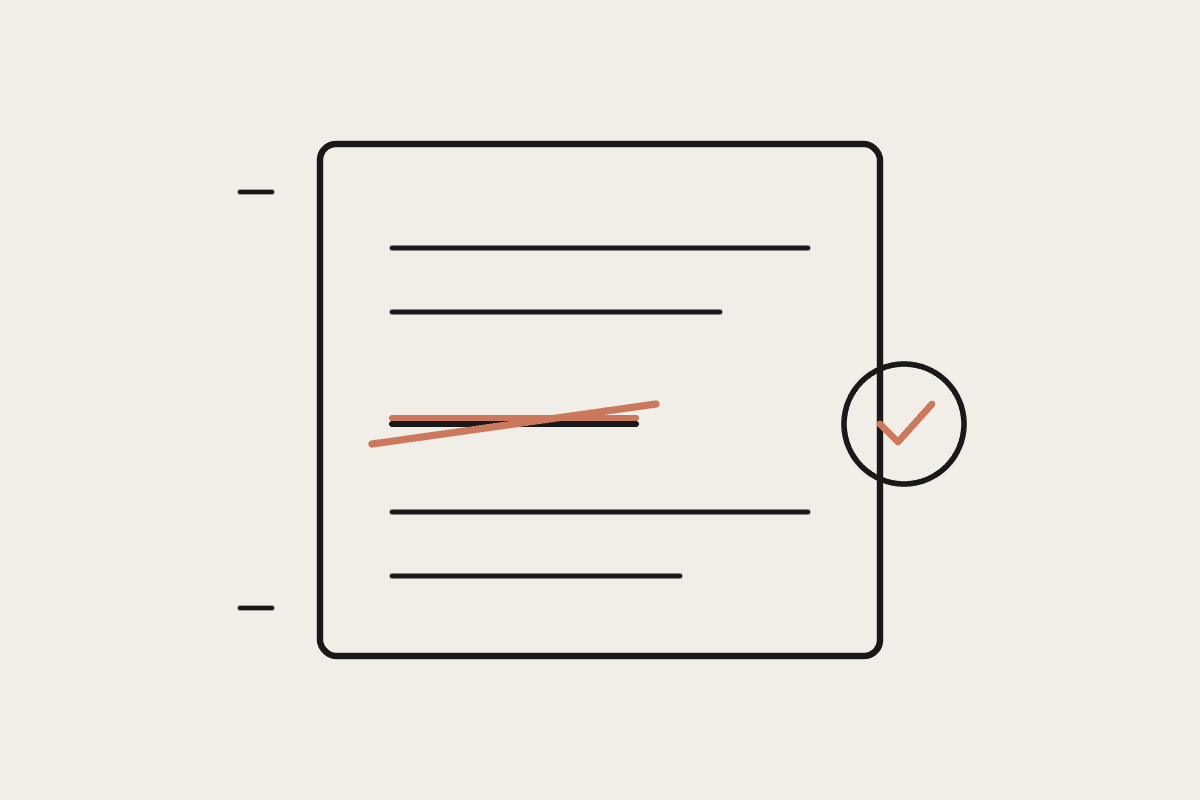
Replace open source AI with open weight AI in any internal policy, security questionnaire or vendor evaluation template your business uses. It is a find-and-replace, and it takes an hour.
Ask any vendor claiming open source to name the specific licence. Apache 2.0, the OpenMDW framework and various custom licences all carry different obligations, and the name is the only thing that resolves them.
Treat open weight as a spectrum rather than a binary. A model can be open weight and still restrict commercial use above a revenue or user threshold, the way Llama's licence does. The question is not whether it is open, it is what specifically you are permitted to do.
A fourth change worth considering if your tenders are large enough to warrant it: ask for the licence text as an attachment to the response rather than a description of it. Descriptions get summarised optimistically. The text does not.
What this does not change
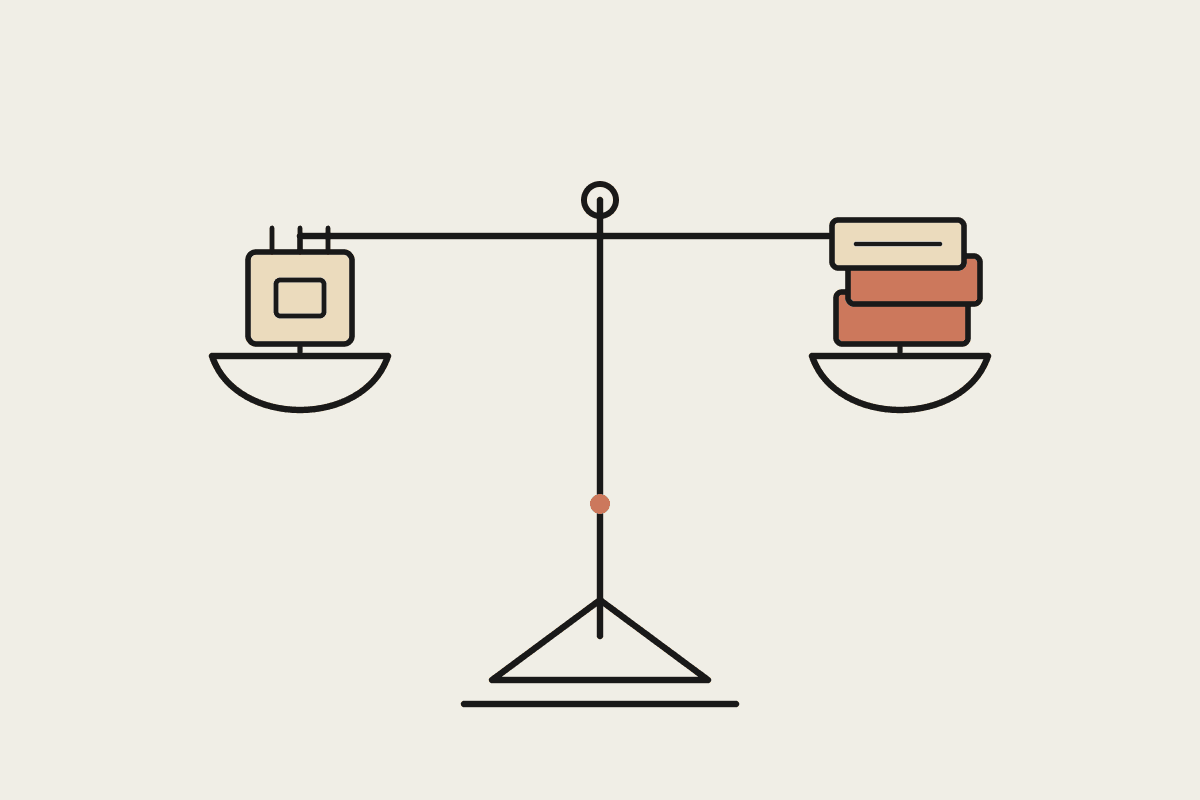
None of this settles whether Claude or an open-weight model is the right fit for a given workload. That is a separate decision driven by volume, sensitivity, governance and cost, and getting the terminology right does not answer it.
What it changes is whether the paperwork your business signs matches what you think you are getting. For regulated Australian sectors, particularly anything brushing against APRA obligations or the Privacy Act, that gap between assumed and actual rights is exactly the sort of thing an auditor asks about, and it is a poor conversation to have with the tender document in front of you.
One caveat for smaller businesses: if you do not run formal tenders, none of this needs a policy document. The useful version is a single habit, which is asking any vendor to name the licence before you agree to anything, and passing that name to whoever reads your contracts. That covers most of the exposure at no cost.
It is also worth being honest that this is a paperwork improvement rather than a strategic one. Fixing the word in your templates will not make a bad model choice good. It will stop a good model choice being undermined by terms nobody read, which is a smaller win but a genuinely cheap one.
If you want your AI vendor language checked before the next procurement round, or an existing tender reviewed against what the responses actually committed to, book a session and we will go through the wording with you.